
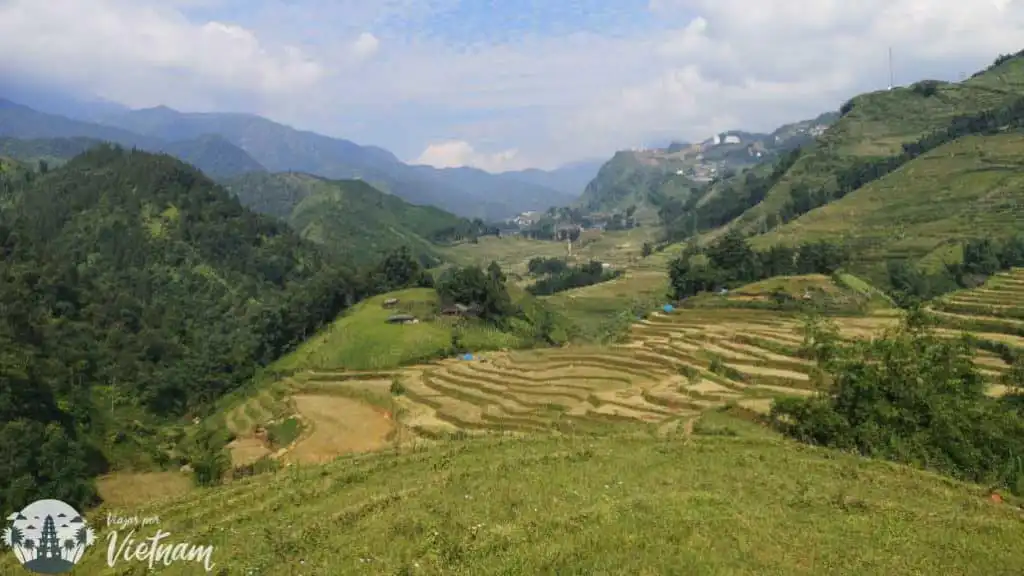
Sapa is one of those places that needs no introduction. Known around the world for the images of its mountains draped in rice terraces, which shift from deep green to gold depending on the time of year, it remains one of the top destinations in northern Vietnam — and there is no shortage of things to do in Sapa beyond admiring the views.
That said, mass tourism has cost the town part of its authenticity: in just a few decades it went from being a practically unknown village to experiencing exponential tourist development. You can feel it today in the shape of oversized construction and the loss of traditional livelihoods in favor of the tourism industry.
Even so, walking the countryside around Sapa, especially during the rice harvest season, is still a wonderful experience — and one that, despite everything, remains well worth it if you’re traveling through northern Vietnam.
In this Sapa travel guide we’ve gathered the main places to see and all the practical information you need to make the most of your visit. So stick around, because Sapa has plenty to offer if you decide to go.
In this post
The best things to do in Sapa: the essentials for your visit
Sapa is one of those destinations that rarely misses a spot on a Vietnam itinerary.
Strolling through the town, visiting some of its best-known waterfalls and, above all, trekking through the surrounding mountain scenery is what draws thousands of travelers to this corner of the north every year.
Because beyond the town itself, Sapa’s best experiences are found in its surroundings, where the rice terraces, trails and villages offer a taste of rural life and a far more rewarding experience.
Here’s our list of the best things to do in Sapa, with all the essential places for your visit.
1. Wander around Sapa town
It may not have the charm of the surrounding valleys, but Sapa town is lively and offers a good mix of shops, bars, restaurants and street food stalls for every taste.
You’ll also find plenty of massage parlors — something you’ll be enormously grateful for after a long day of trekking, when it becomes less of a treat and more of a necessity.
Since it’s the first place you’ll arrive at, take the chance to have a relaxed walk through its streets and get a feel for the local atmosphere — a world away from the chaos of Hanoi — or sit by the lake before or after heading out into the countryside.
2. Hàm Rồng Mountain
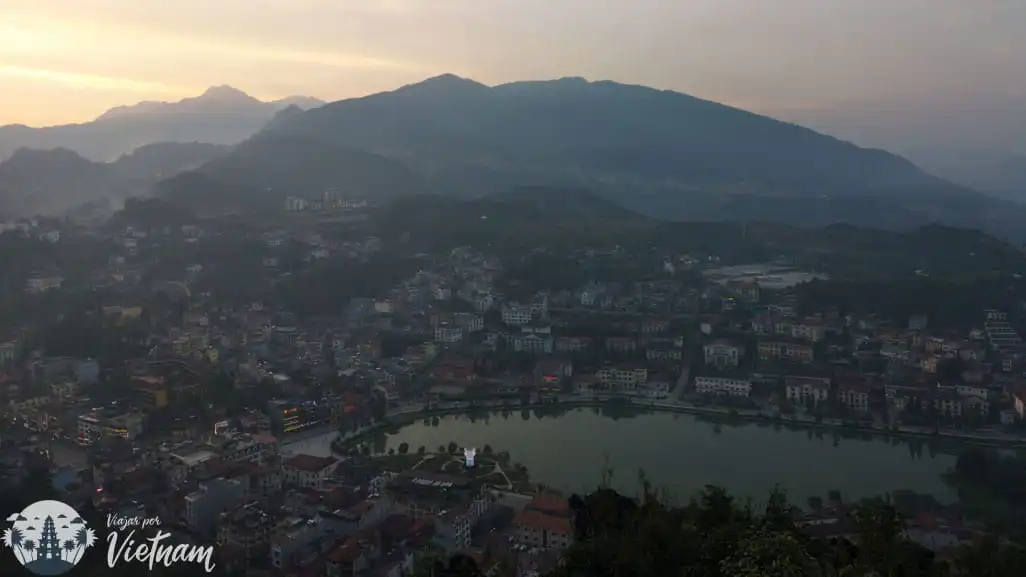
Right next to Sapa town, and accessible from it on foot, sits Hàm Rồng mountain (more of a hill, really) and its gardens.
This is one of those places to visit in Sapa that you’ll be glad to know about if you have a spare moment, and it pairs nicely with a look over the town.
Its name translates roughly as “Dragon’s Jaw”, a reference to the shape of the mountain, which according to local tradition resembles a dragon raising its head to the sky. As you’ll notice, dragons are everywhere in Vietnamese mythology — we explain more in our guide to Halong Bay.
As you climb Ham Rong you’ll pass several landscaped gardens, including the flower garden, the orchid garden — with varieties that bloom by season — and the Zodiac garden, with sculptures of the animals of the Vietnamese zodiac.
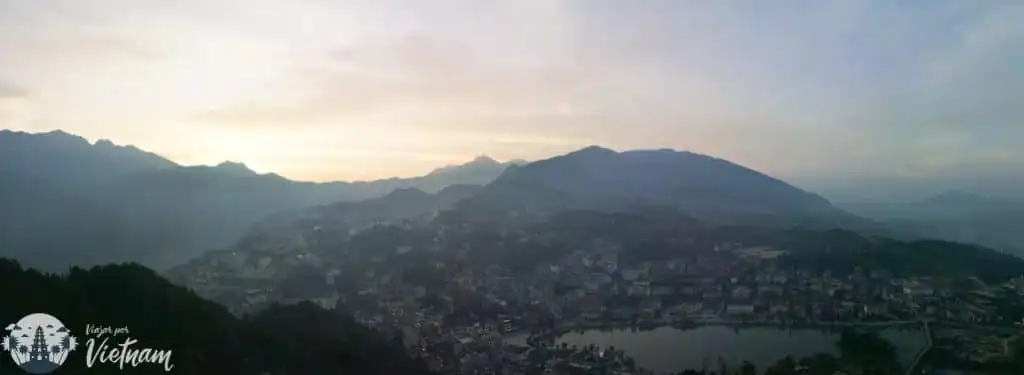
The real highlight here, though, isn’t the gardens but the views over the area from the Cloud Yard, especially at sunset.
From up there you get a lovely panorama of the whole town and the valley — and even Fansipan peak on a clear day.
Practical information and opening hours
- To find the entrance, walk to the far end of the left side of the church and turn left; you’ll find the ticket booth as you go up the stairs.
- Price: 70,000 VND (~US$3)
- The climb doesn’t require any great fitness and takes about 40 minutes from town.
3. Go trekking, the number one thing to do in Sapa
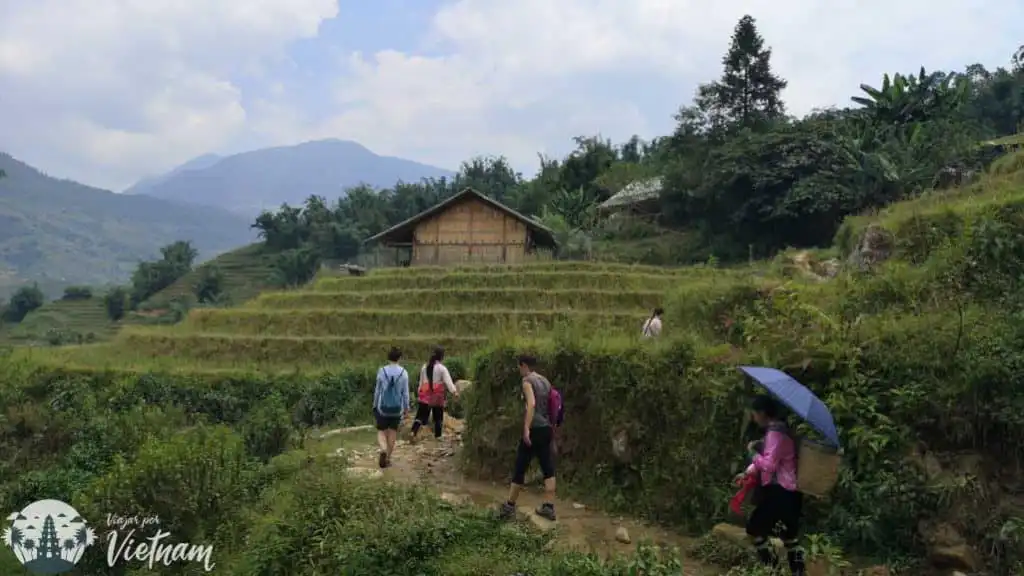
There’s no doubt about it: trekking is the main activity in Sapa. Walking the countryside, losing yourself among the valleys that surround the town, sleeping in a traditional village and getting to know its customs is the perfect way to do it.
In Sapa you’ll find plenty of trekking routes to choose from, ranging from easy walks to more demanding trails, as well as single-day hikes or multi-day treks that usually include an overnight stay in a traditional Vietnamese homestay.
Here’s the 2-day Sapa trekking tour we did on one of our visits with Zo (our guide), which we loved.
And here’s our Sapa trekking guide so you can enjoy the best routes without missing a single one of the most interesting spots.
4. Explore Cat Cat and other villages to meet Sapa’s ethnic minorities
The valleys around Sapa are dotted with villages inhabited by Vietnam’s ethnic minorities. Many still preserve much of their culture and traditions, while others have gradually adapted to tourism without entirely losing their identity.
Villages such as Cat Cat and Ta Van are among the most visited by international travelers and form part of the classic Sapa trekking circuit, especially on one-day or multi-day routes.
Cat Cat village
Cat Cat is a village of the H’mong ethnic group, traditionally tied to the history and culture of northern Vietnam’s minorities. It’s also the perfect example of a place with a clear tourist orientation today: most of its inhabitants make their living selling souvenirs and handicrafts, and you have to pay to enter the village.
Is it a tourist attraction? Yes. Is it one of the most visited spots around Sapa? Also yes. It’s certainly not where to go if you’re after authenticity, but Cat Cat still makes for a pleasant visit, especially as a first taste of the area — it’s only about 2 km from the center of Sapa.
You can get there on foot or by motorbike (riding yourself or on the back of a taxi bike).
Entrance to the village costs 70,000 VND (~US$3).
5. Climb Fansipan peak
Presiding over the whole area and giving Sapa its majestic, imposing backdrop stands Fansipan peak.
At 3,142 m, Fansipan is the highest mountain in all of Indochina, and the views from the top are genuinely spectacular.
You can get up there either by cable car or by trekking to the summit — one of the star activities in the area.
If you decide to do the trek, we explain everything in detail here.
If you go for the cable car (the most common option), head to the Hoang Lien cable car station. You can walk there in about 45 minutes from the town center, take a taxi or — like most people — hop on the monorail from Sapa station.
Once at the station, take the cable car up to the top station.
Bear in mind that the top station is very close to the summit but not on it — to reach the very top you’ll need to either climb for another 15–20 minutes or take the funicular railway.
Practical information and opening hours
- Open: Monday to Thursday and Sundays from 8:00 am to 2:30 pm. Fridays and Saturdays from 8:00 am to 3:30 pm.
- Price:
- Cable car: 800,000 VND (~US$31) round trip
- Funicular: 200,000 VND (~US$8) round trip. 150,000 VND (~US$6) one way up
- Monorail: 200,000 VND (~US$8) round trip
- Keep in mind you’ll be going up to 3,000 m, where mild altitude sickness is common — carry water and skip this trip if you have any health issues.
- Bring warm clothing.
- Avoid cloudy or bad-weather days.
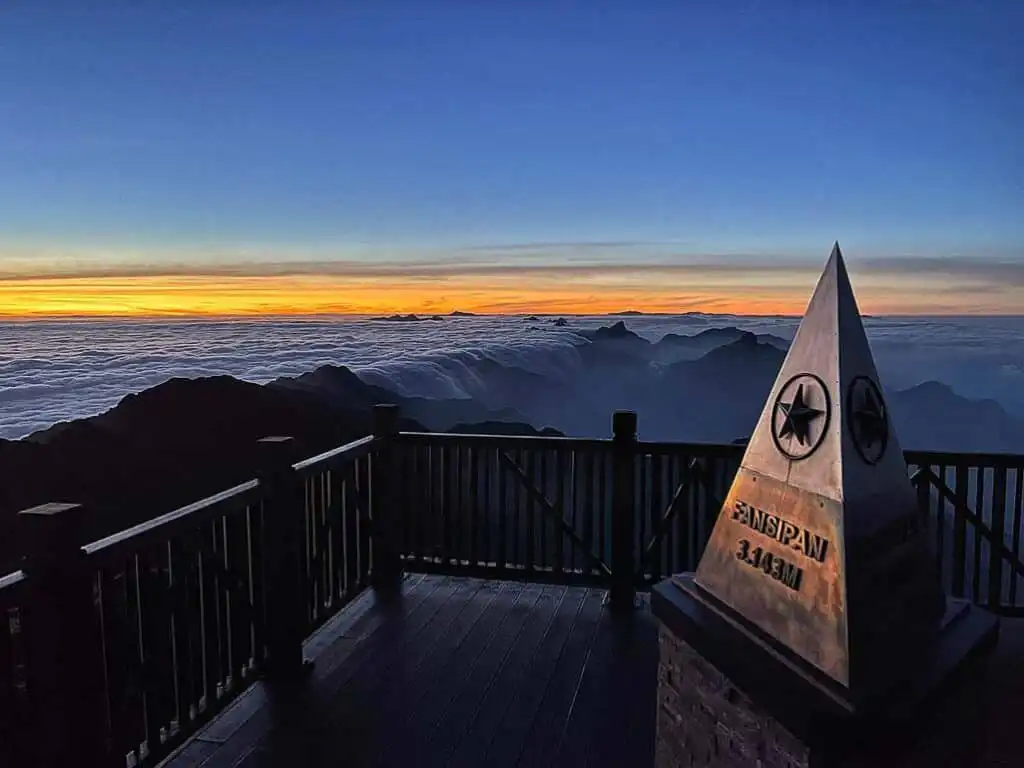
6. Visit O Quy Ho Heaven’s Gate and the Rong May Glass Bridge
O Quy Ho Heaven’s Gate is a very popular stop in Sapa for those who prefer a more classic, comfortable and accessible kind of sightseeing, as it’s easy to reach by car or motorbike.
The natural setting is spectacular, but it’s worth knowing before you add it to your itinerary that the complex itself is recently built and designed purely for tourism, theme-park style.
Very close by you’ll also find the Rong May Glass Bridge, a transparent walkway over the void. Inside the complex there are other attractions too — a cliff lift, a zipline, bungee jumping, an adrenaline-pumping suspension bridge, rainbow stairs and other spots made for those who enjoy collecting Instagram shots.
Entrance costs 500,000 VND (~US$19); you can buy it at the ticket office or online in advance. If you want a drone video of yourself, that’s an extra 100,000 VND (~US$4).
To get there, you can arrange your own transport from Sapa.
Or join a tour like this one.
7. Thac Bac (Silver Waterfall)
Another of Sapa’s essential sights are its waterfalls.
They’re probably not the most spectacular or powerful you’ll see in Vietnam, but their natural setting makes them the perfect complement to a visit to the town.
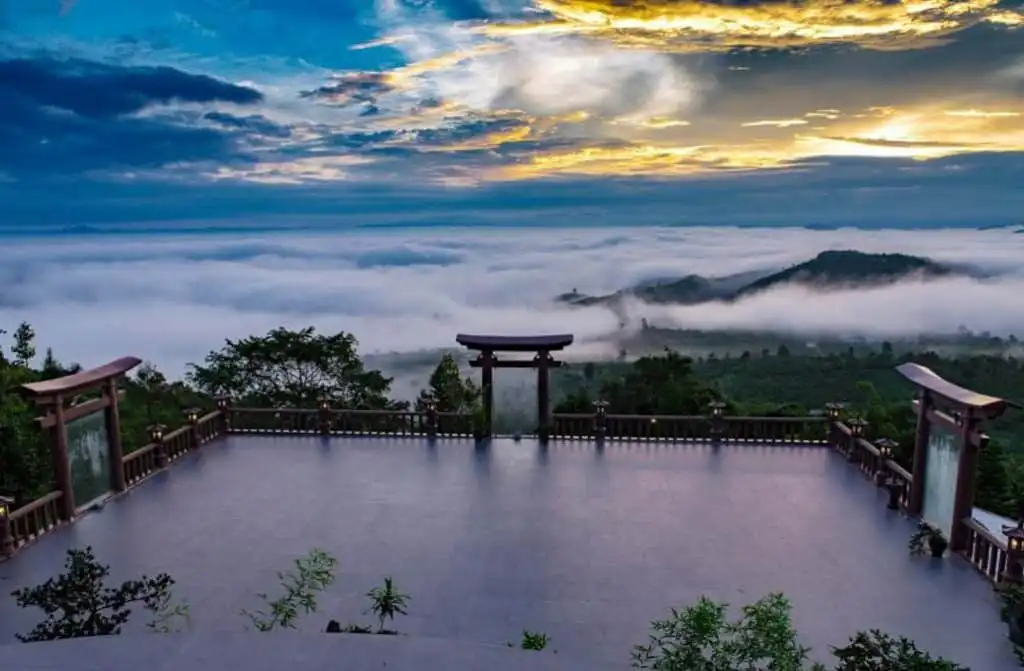
About 15 km outside Sapa you’ll find Thac Bac waterfall, also known as Silver Waterfall.
It’s one of the main waterfalls you can visit in the area. You’ll have to climb a little, but its 200-meter drop and its position right by the road make the visit simple and hassle-free.
In the dry season it carries little water, which takes away some of its charm.
Practical information and opening hours
- To get there you can rent a motorbike or take a taxi from Sapa — it’s on the same road that leads to the O Quy Ho pass.
- Price: 20,000 VND (~US$0.80)
8. Love Waterfall
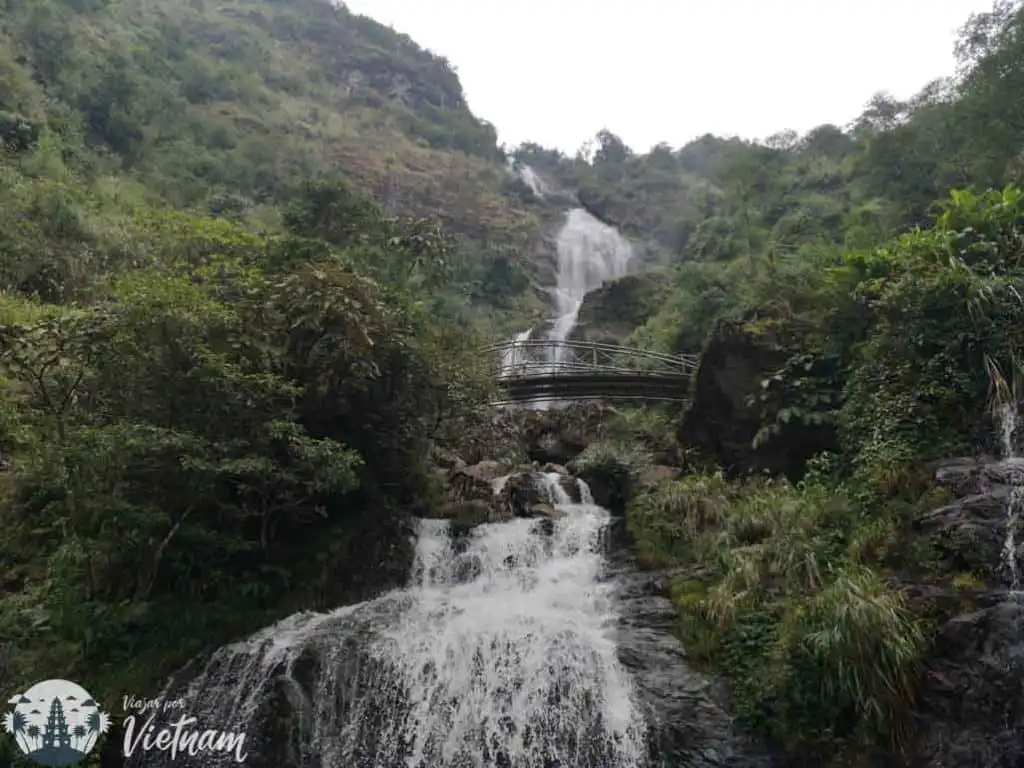
A little further on from Thac Bac, on the outskirts of Sapa, you’ll find Love Waterfall.
The waterfall takes its name from a local legend that tells the love story between a fairy and a young flute player. When their romance was discovered, the fairy’s parents separated them — and she, heartbroken, chose to turn herself into a bird so she could stay near her beloved every day, flying over the spot where he played his music.
To reach it you’ll walk a fairly easy trail of around 30–40 minutes each way (roughly 1 hour 20 minutes there and back).
Practical information and opening hours
- Open every day from 9:00 am to 5:00 pm.
- Entrance fee: 70,000 VND (~US$3)
- We recommend going early to avoid the crowds.
How to get to Sapa
As one of the main highlights for anyone visiting Vietnam, getting to Sapa is fairly straightforward and there’s a good range of transport options — so depending on your budget and how much comfort you want, you can pick the one that suits you best.
From Hanoi to Sapa
To travel from Hanoi to Sapa you have several options: bus, train, tour or private transfer are the main ones. Depending on which you choose, the journey takes between 6 and 9 hours.
In this guide we walk you through all the alternatives.
From Sapa to Ha Giang
The distance between Sapa and Ha Giang is roughly 215 km, and although they’re not physically far apart, these two northern towns aren’t well connected to each other — which makes the journey take quite a bit longer than you’d expect.
The easiest way to travel between Sapa and Ha Giang is by bus, either overnight or during the day. The trip takes around 5–6 hours.
You can compare all the options and timetables here.
Where to stay in Sapa
When it comes to choosing accommodation in Sapa, most travelers book a stay in some kind of homestay — family homes run by the different ethnic groups, often located outside the town and surrounded by nature.
If you’d rather have a bit more comfort, being a tourist hub the town also offers a wide variety of hotels and hostels for every taste and budget.
Here are three options, one per budget, all highly rated:
La Beauté Sa Pa
From 240,000 VND (~€8) / night
A budget homestay with one of the best ratings in all of Sapa.
Check availability and prices →Tiger Sapa Hotel
From 950,000 VND (~€32) / night
A well-rated mid-range hotel in town: a good base if you prefer creature comforts after trekking.
Check availability and prices →Silk Path Grand Sapa Resort & Spa
From 2,000,000 VND (~€67) / night
Sapa’s benchmark 5★: a resort with a spa to recover from your treks in style.
Check availability and prices →When to visit Sapa: the best time of year
Sapa is the ideal place for lovers of mountains and the cool weather that comes with them.
If you’re looking to escape the heat and find refuge in a milder climate, this is definitely your place — but pay attention to the timing of your visit so you don’t get any surprises, because Sapa’s weather changes a lot.
The best time to visit Sapa is without doubt the rice harvest season on the terraces, when the landscape becomes far more striking than usual. That happens between late August and September, when you’ll find the postcard views you’ve probably seen on plenty of Instagram feeds.
- March to June is a very good time, with sunny days that let you make the most of your visit. The trade-off: the paddies are ploughed or freshly planted, so you’ll mostly find them brown.
- From June to roughly November it’s the rainy season, but it’s also the perfect time to escape the heat of the rest of the country, and when the rice fields start turning green.
- From November to February the weather in Sapa is quite cold — it even snows around Fansipan peak — so if you visit at this time of year, come well wrapped up or head to other parts of the country instead.
✔️ Information reviewed and last updated on January 7, 2026