
Ho Chi Minh City probably isn’t Vietnam’s most fascinating city — it’s more of a waypoint, usually where travelers enter or leave the country. If that’s your case, in this post we cover everything you can see in Ho Chi Minh City during your days here.
For most travellers, Saigon is just a stopover. For me, though, it ended up being the city I chose to live in for part of the year. Precisely because it isn’t a touristy city, you can live a much more local life here, and people are more open and speak more English than in other parts of Vietnam.
On top of that, it’s barely 3 hours by plane from almost anywhere in Southeast Asia, which for me is incredibly convenient.
Known until recently as Saigon, Ho Chi Minh City is the nerve center of southern Vietnam and without doubt the most modern, cosmopolitan and open city in the whole country. You may not realize it, but you’ve probably seen its streets in documentaries or films about the Vietnam War — yet until you set foot here, you won’t grasp the intense feeling of what it means to be in this country.
Ho Chi Minh has little in the way of an old town or historic ruins — but the former city of Saigon is the perfect place to feel that sense of organized chaos and round-the-clock activity that reigns over Vietnam.
To make the most of your time, here’s a rundown of some of the best places to see and visit during your stay in Ho Chi Minh City.
In this post
1. Take a free walking tour of Ho Chi Minh City
One of the best things to do in Ho Chi Minh is getting lost in its streets and immersing yourself in the mix of flavors, smells and sounds that define the city.
Saigon is a modern, somewhat shapeless city — not the friendliest to explore without someone to explain it to you — so taking a free walking tour of the city is the ideal way to avoid leaving with a half-formed impression and come away instead with a deeper picture of what it’s really like.
The good news is that they’re free — well, except for the tip you’ll want to give the guide if you like what they share.
Free as they are, just like in Hanoi they tend to fill up fast, so we recommend reserving your spot in advance here.
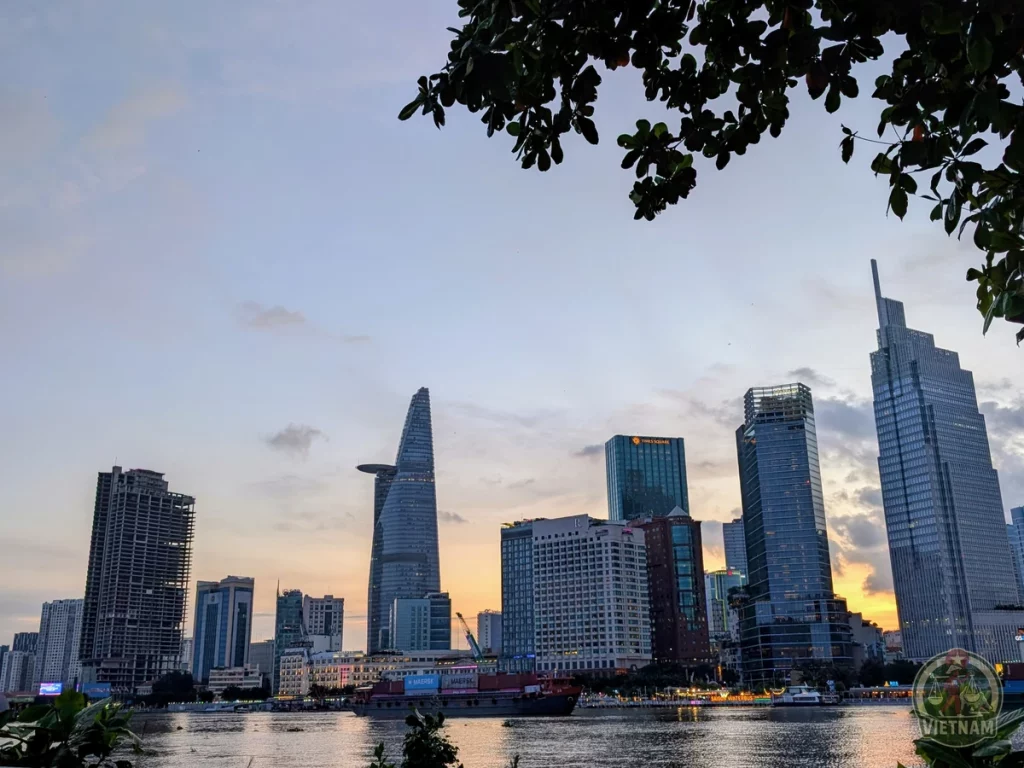
2. Take in the panoramic views from the Saigon Skydeck
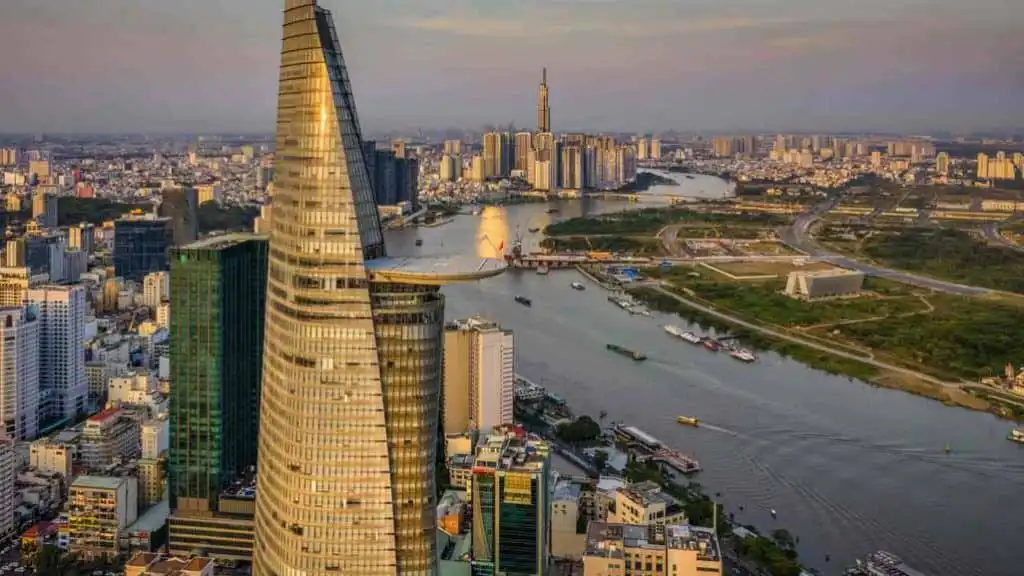
If you’re someone who seeks out panoramic views wherever you go, the Bitexco Saigon Skydeck is practically a mandatory stop in Ho Chi Minh City.
In the vein of other legendary skyscrapers like the Petronas Towers in Kuala Lumpur or Taipei 101 in Taiwan, Saigon has the Bitexco Saigon Skydeck — one of Ho Chi Minh City’s essential stops if you love skyscrapers or simply enjoy sweeping views.
Located on the 49th floor of the Bitexco Financial Tower, it offers stunning 360º views of the city from more than 170 meters up.
Hours and visitor information
- Open daily from 9:30 am to 9:20 pm
- Entrance fee: adults 200,000 VND (~US$7.70), children 160,000 VND
- You can buy your ticket directly at the building or through this link.
3. Take a motorbike tour of Saigon
If you’re after an authentic, thrilling way to discover Ho Chi Minh City, nothing beats a motorbike tour.
A motorbike tour of Ho Chi Minh is one of those experiences that changes how you see the city. The idea of plunging into Saigon’s chaotic traffic might sound a little scary at first, but we promise you’ll love it — motorbikes are the soul of this city, and there’s something undeniably addictive about becoming part of that daily current.
Tours usually start in District 1 and, however crazy it may sound, they stand out for how safe they are. We’ve joined one ourselves, and riding as a passenger with a local you feel no insecurity at all — just adrenaline. It’s perfect if you haven’t yet mastered Vietnamese traffic (which follows its own rules, sometimes nonexistent ones) or simply don’t dare drive yourself.
The best part is that they stop at lesser-known corners of the city, such as the memorial to the monk Thích Quảng Đức, who self-immolated in protest on that very spot in 1963, a house with an underground war bunker, or a local, untouristy market where you can watch everyday life unfold.
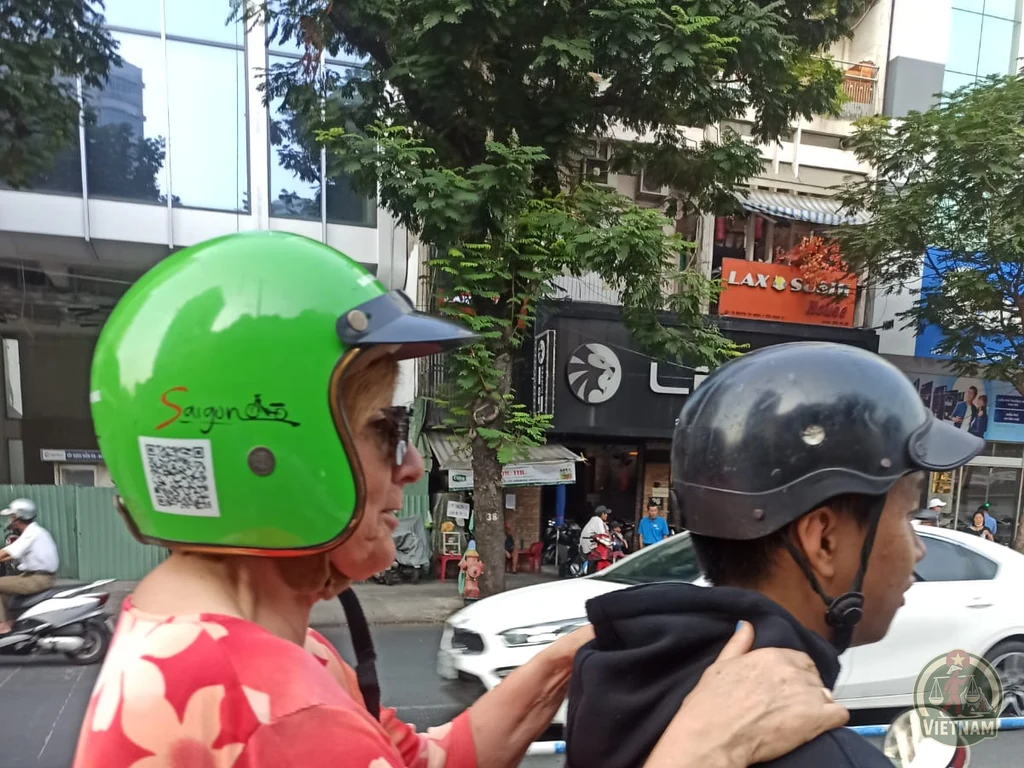
If you’re visiting Ho Chi Minh City, this motorbike tour is a fascinating immersion into some of the city’s inner workings — highly recommended on any visit.
4. The War Remnants Museum of Ho Chi Minh City
The War Remnants Museum in Ho Chi Minh is a stop that leaves a mark.
Truthfully, it’s not the kind of museum you breeze through — every room confronts you with the rawness and the real impact of the Vietnam War.
Inside, the museum holds three full floors of intense exhibitions documenting the war’s effects on the country.
The photography collection is what struck us hardest. There are images from war reporters and testimonies from victims that lay bare the brutality of the fighting. Some photos are so raw, in fact, that we had to take a moment to absorb them — especially those relating to the effects of Agent Orange.
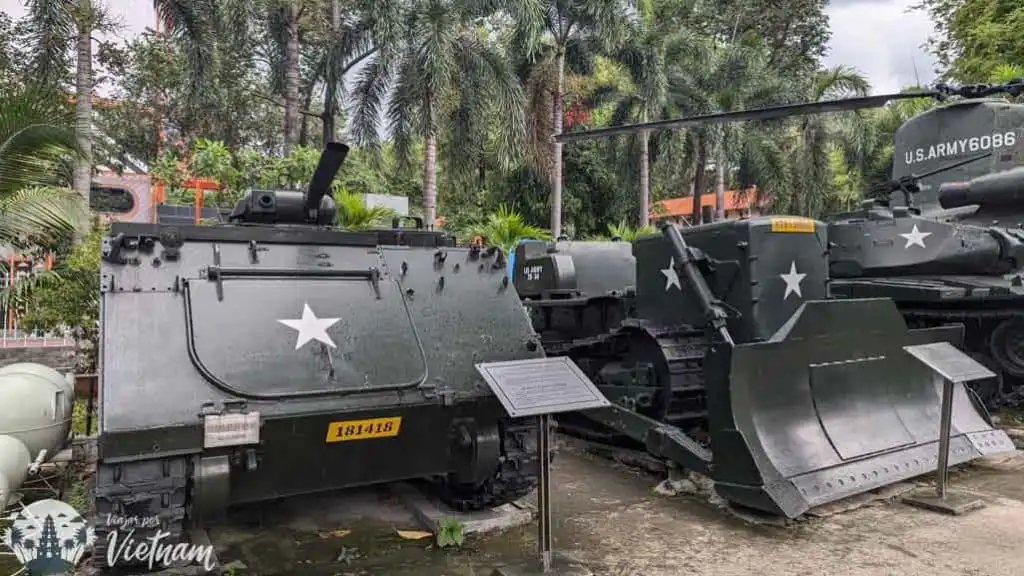
In the outdoor courtyard you’ll find tanks, helicopters and military aircraft recovered from the war, among other pieces.
In our view, the War Remnants Museum is an essential visit in Ho Chi Minh City, especially for anyone wanting to understand the devastating consequences of the Vietnam War — though be warned: come prepared for what you’re about to see.
5. The Notre-Dame Cathedral of Saigon
The first time we stood before Saigon’s Notre-Dame Cathedral, what struck us first was how out of place it seemed — a cathedral in the middle of a chaotic city like Ho Chi Minh, surrounded by motorbikes and modern skyscrapers.
Truth be told, we didn’t have high expectations going in, but somehow it turned out different — and better — than we’d imagined.
We recommend visiting early and taking in, from the square, the distinctive reddish color of its façade and its two towers, which give away its construction during the French colonial period at the end of the 19th century.
Inside, the cathedral is simple and understated, and the atmosphere is very calm — a welcome pocket of peace amid Saigon’s noise.
To this day, Notre-Dame Cathedral remains an important symbol of the city, so if you can, drop by whenever you have a spare moment.
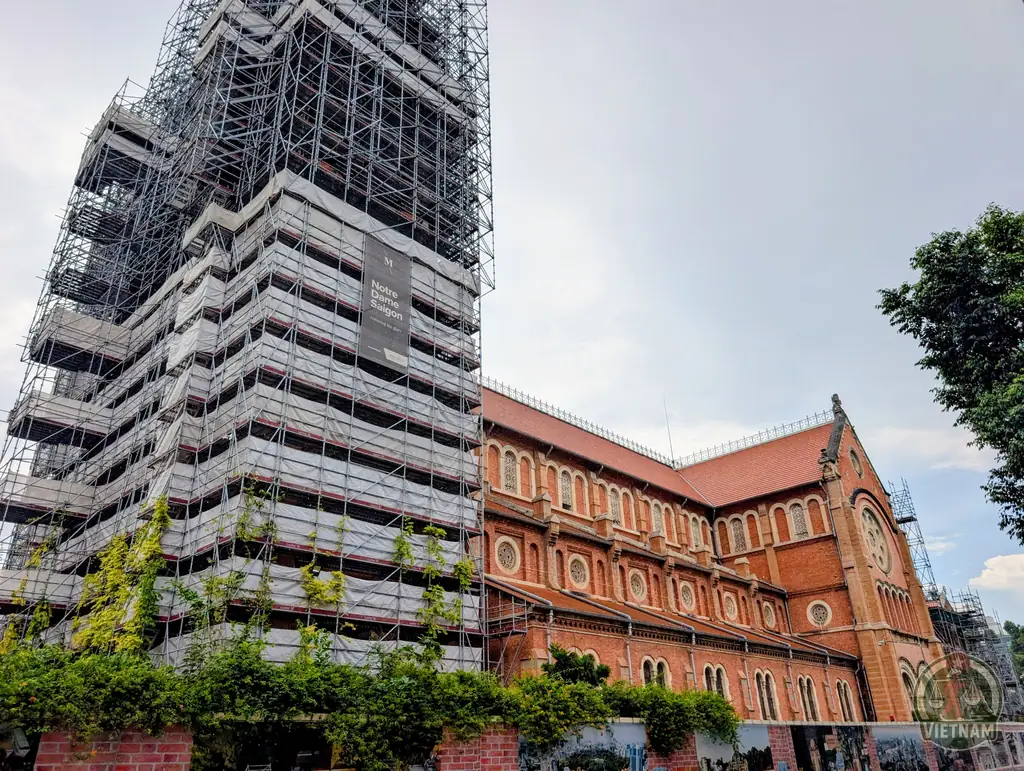
Bear in mind, though, that the cathedral has been under restoration since 2017 and is still covered in scaffolding, so it won’t look like the usual photos. You can visit and photograph it from the outside without any problem, and Mass is still held inside. There’s no end date for the works yet.
6. Tan Dinh Church, Saigon’s famous pink church
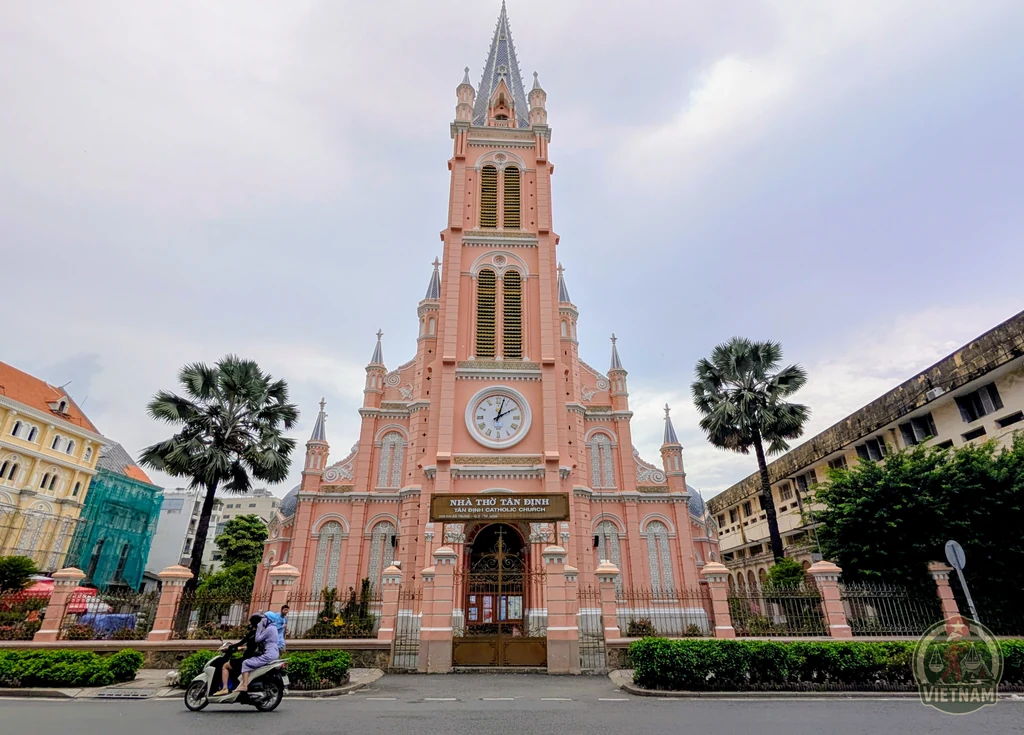
If there’s one church in Ho Chi Minh City that has become famous on Instagram, it’s without a doubt Tan Dinh Church, known to everyone as the pink church for the colour that covers it from top to bottom.
It was built during the French colonial era and is the second-largest church in the city, behind only Notre-Dame. It blends Gothic and Romanesque styles, and the pink doesn’t stop at the facade: it’s pink inside too, columns included.
It’s in District 3, on Hai Ba Trung Street, just a few minutes by Grab from the centre. In our view, while Notre-Dame Cathedral is still covered in scaffolding, it’s the most beautiful colonial church you’ll get to see in Saigon.
Bear in mind, though, that it’s a working church, so cover your shoulders and knees and stick to the visiting hours, which never overlap with Mass:
- Entry: free.
- Monday to Friday: 7:00 to 12:00, 14:00 to 17:00 and 20:00 to 21:00.
- Saturdays: mornings only.
- Sundays: closed to visitors, you can only go in for Mass.
A tip of ours: right on the corner there’s a Cong Ca Phe. Head inside and up to the first floor, and by the big window you’ll get perfect views of the church, plus it’s the chance to order what for us is the best coconut coffee in all of Vietnam.
7. The Ho Chi Minh City Post Office
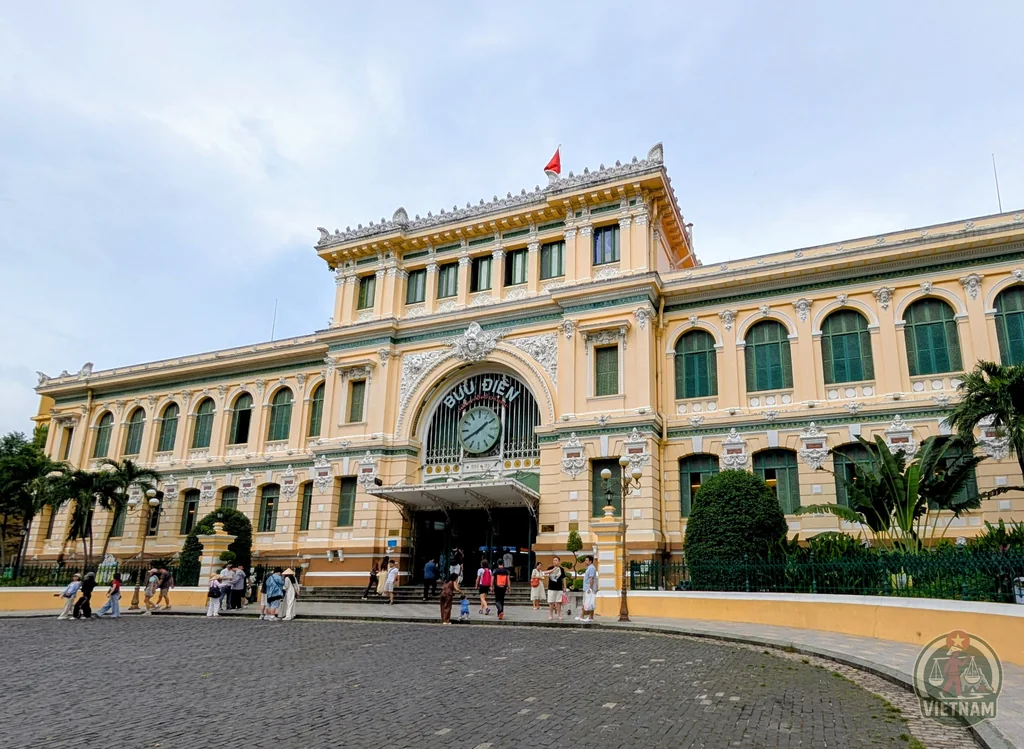
Right across from the cathedral you’ll find the Saigon Post Office, which isn’t just a place to send and receive letters and parcels — it’s a full-fledged historic monument that has withstood the passage of time.
The Saigon Post Office is one of the top places to see in Ho Chi Minh in a single day. The building’s impressive architecture, blending Gothic, Renaissance and French influences, creates a unique mix of styles that will leave you staring.
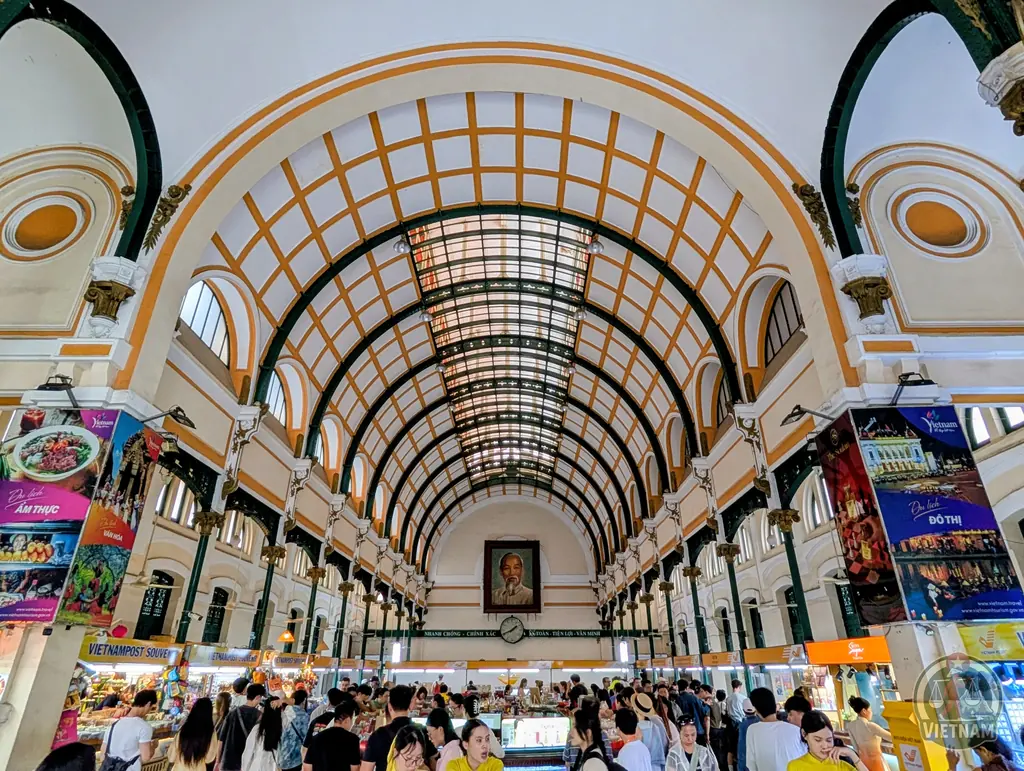
And it’s not only beautiful on the outside: inside, the walls decorated with maps and murals of the city’s history, along with the counters and booths where you can buy stamps, postcards and other keepsakes, are all part of this place’s charm.
8. Saigon City Hall and Nguyen Hue Walking Street
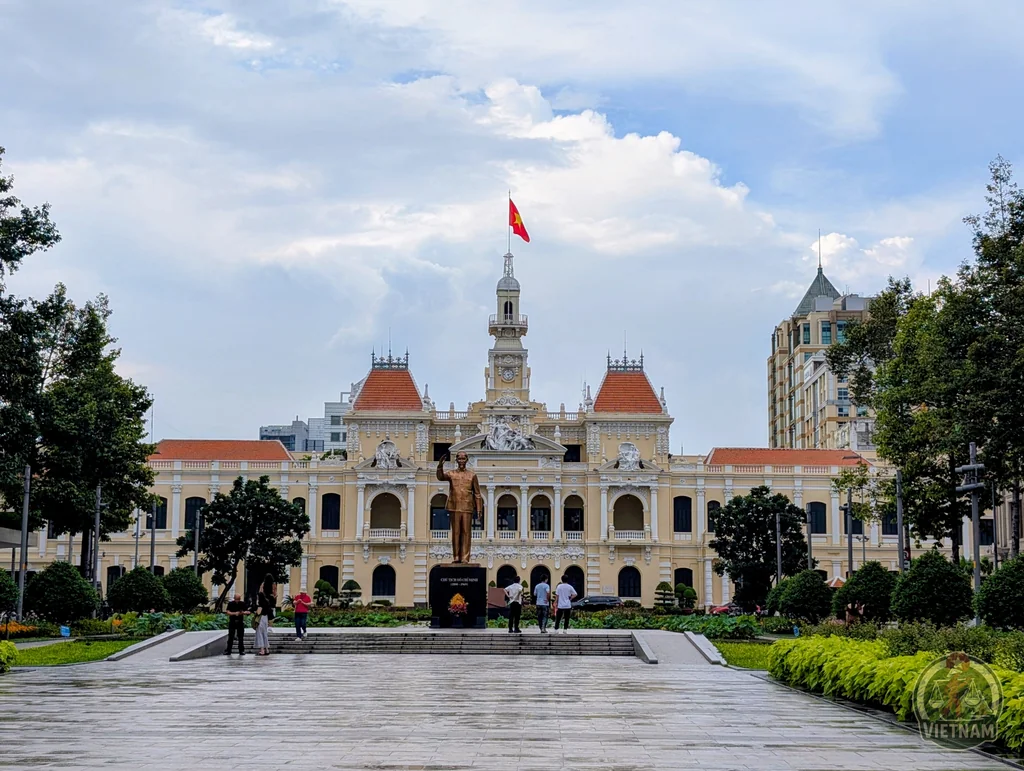
Originally known as Saigon City Hall before 1975, it now serves as the headquarters of the city’s People’s Committee. Its architecture, inspired by European city halls, makes it one of the city’s landmarks.
Although it’s closed to the public these days as a government building, its French colonial architecture makes it one of the things to do in Ho Chi Minh and a mandatory stop on any sightseeing walk through the city.
Right in front of City Hall begins Nguyen Hue Street, a wide, mostly pedestrian promenade that ends at the Saigon River.
It’s ideal if you’re after a relaxed plan in the city. That said, we recommend avoiding the midday heat and going in the late afternoon, when it fills up with people and street food, especially at weekends.
Halfway down you’ll spot an old apartment building converted into cafés and shops, with different places on every floor, an Instagram classic. If you have some time to spare, it’s worth heading up to one of its terraces to see the promenade from above.
9. The Reunification Palace of Saigon
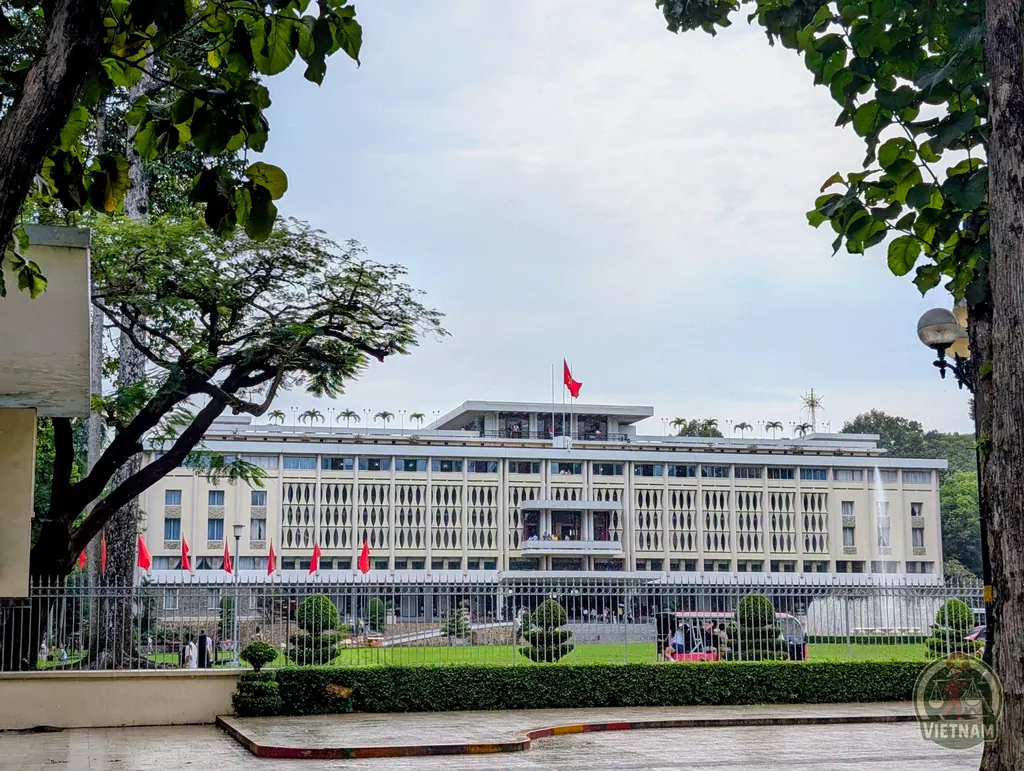
The Reunification Palace (or Independence Palace, as it’s also known) is one of Vietnam’s most symbolic historic buildings.
Built in the 1960s on the site of the old French colonial palace, it has served many purposes over its history, but it became an icon on April 30, 1975, when two North Vietnamese army tanks crashed through its gates, marking the end of the Vietnam War.
Located in District 1, it’s easy to fit into your day’s plans and spend a while wandering this historic gem.
10. Get lost in Ben Thanh market
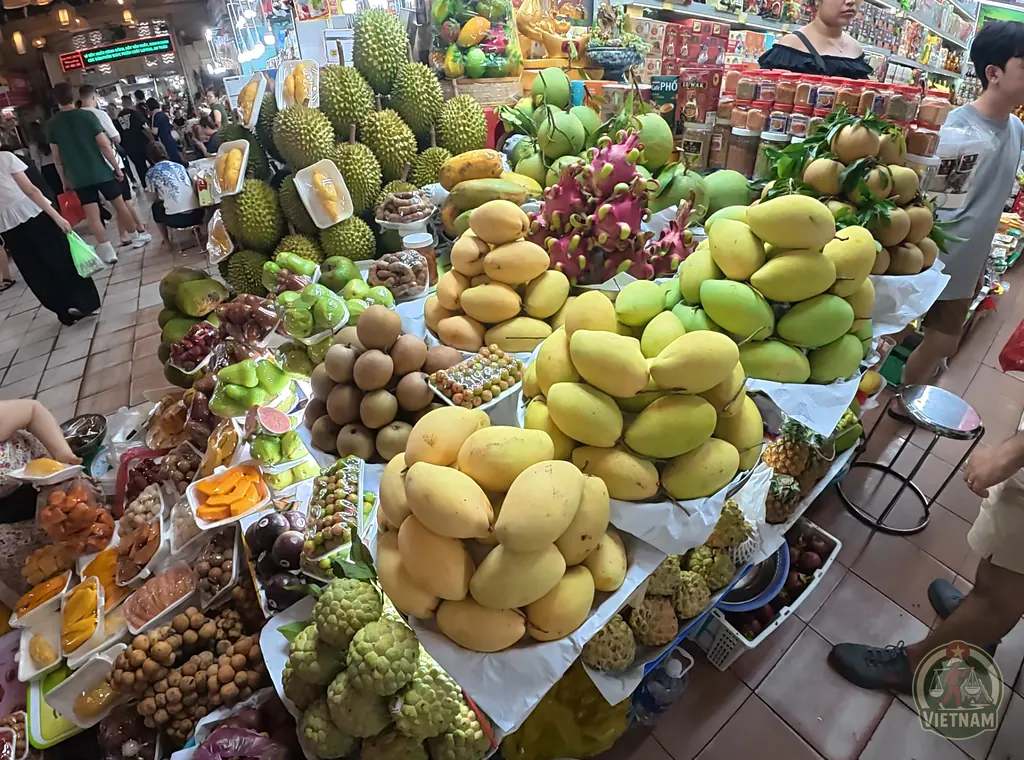
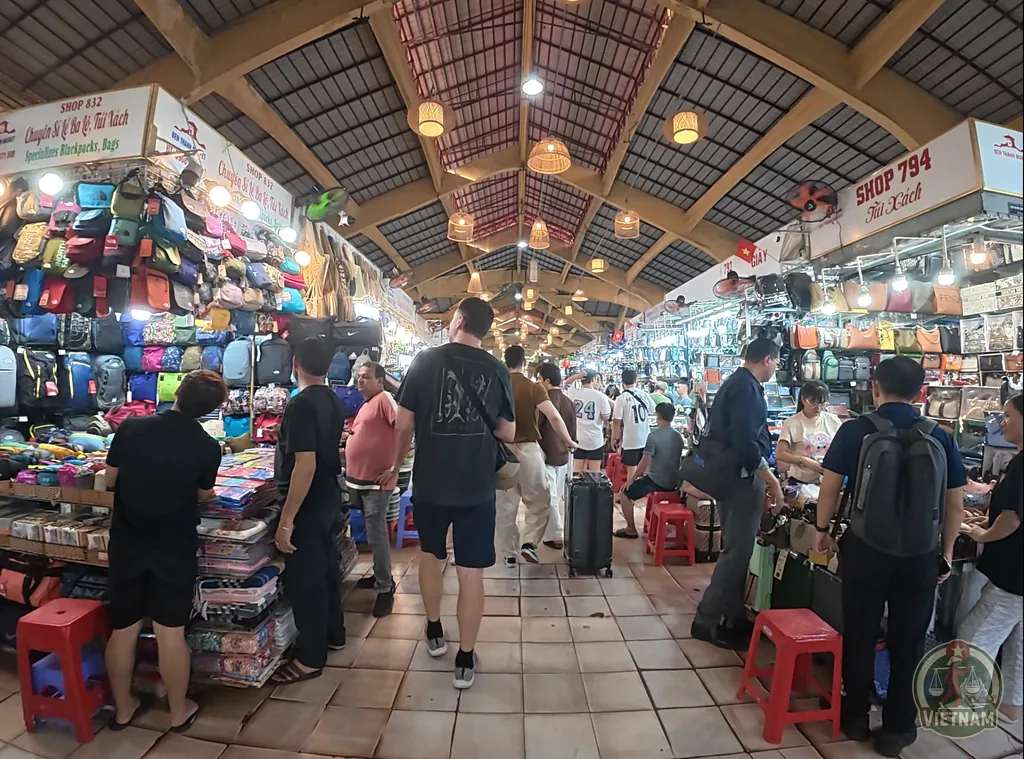
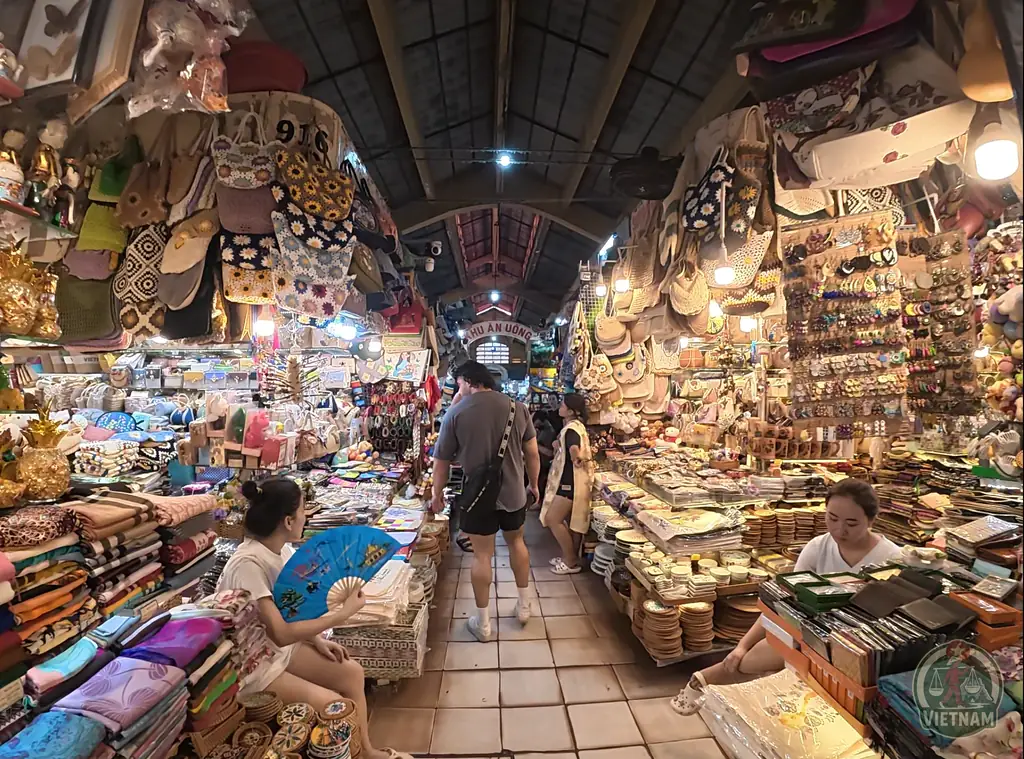
Brace yourself for the sensory overload waiting at one of Saigon’s most legendary and best-known markets: Ben Thanh market.
Here you’ll find a huge variety of goods of every kind, from clothing and jewelry to souvenirs, spices and much more.
These days the market draws mainly tourists of every nationality hunting for a keepsake to bring home, making it one of Ho Chi Minh City’s most visited attractions.
PS: Don’t forget to haggle for a good price.
11. Ho Thi Ky, Saigon’s flower market and night market
Vietnam is a street food paradise, and spending your time trying it is without a doubt one of the best things you can do in Saigon.
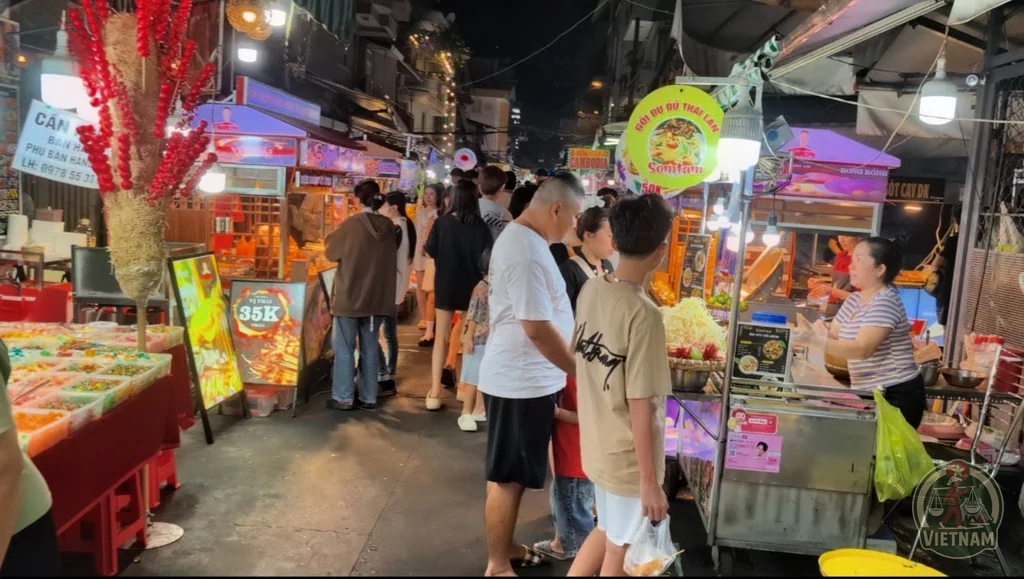
Ho Thi Ky is a market of narrow alleys in District 10 that, depending on when you go, has two very different faces. By day it’s a flower market, with blooms arriving from Da Lat and other corners of the country, and from mid-afternoon its alleys fill up with street food stalls.
So you can visit it in the morning or at night. If you come at dusk, you’ll find plenty of seafood, snails, all kinds of skewers and also a few dishes with a Cambodian influence (such as bún Campuchia or chè Campuchia), something you won’t find so easily elsewhere in the city.
And if you’re up for something stronger, you’ll also find hột vịt lộn, the famous duck egg with the embryo inside, much loved in Vietnam and other Southeast Asian countries.
- Entry: free.
- Opening hours: the flower market is at its best at dawn, and the food stalls come alive at sunset.
- Prices: most dishes cost between 20,000 VND (~€0.66) and 100,000 VND (~€3.28).
- Getting there: about 15 minutes by Grab from District 1.
12. Take a boat ride along the Saigon river
One of the best ways to experience Ho Chi Minh City is from the Saigon river, its main waterway, which runs through the whole city.
It’s not just a good way to switch off from the noise and see the city from another perspective — it also lets you escape the heat a little, since the breeze over the river is a real relief from Ho Chi Minh’s sticky air.
To see Ho Chi Minh City from the Saigon river you have two options: a comfortable tourist option, and a more local, budget one.
The tourist option is boarding one of the cruises that ply the river, especially popular at sunset.
These tours usually include hotel pickup, dinner on board, live music and a roughly two-hour route. The boats are large, with open decks for panoramic views of the skyscrapers. The price is around 1,500,000 VND per person (about US$58), and they usually depart from the Bach Dang pier in District 1. It’s the pricier option, but a relaxed, well-run experience — ideal if you’re after something special for an evening.
Here’s the best rated of them all.
Among the advantages of this option is, obviously, the boat itself, with its open deck giving you 360º views of the surroundings, plus the sheer calm of the ride. On the downside there’s the price, much higher than the alternative — though quite reasonable for the experience.
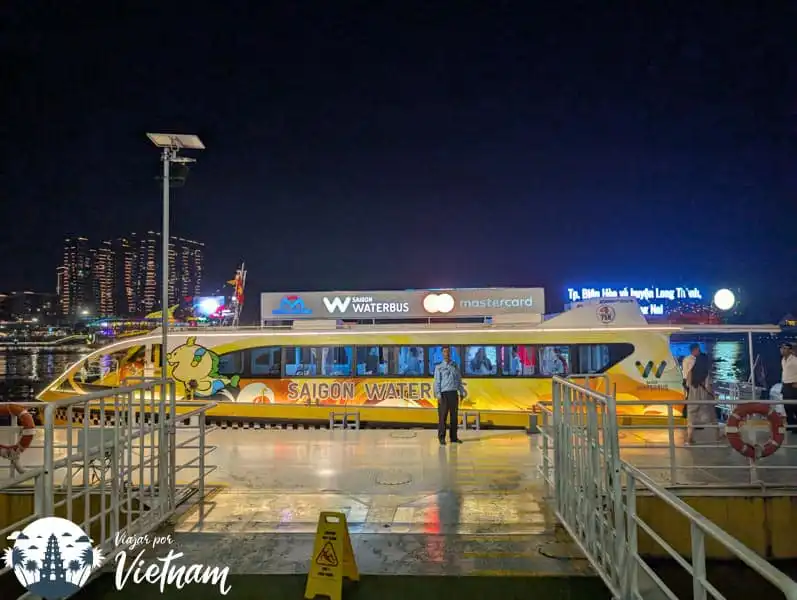
The local alternative is taking the Saigon Waterbus, a regular river transport service connecting seven stops along the river, from Linh Dong in Thu Duc to Bach Dang in the center. A ticket costs just 15,000 VND per ride (about US$0.60), making it ideal if you’d rather not spend.
The full route takes roughly 45 minutes, and you can hop off at any of the intermediate stops, such as Binh An or Thanh Da, to explore those parts of the city. The boats are simple, with basic seating and closed windows, but grab a window seat and you can enjoy the scenery too.
Tickets are sold at the terminal itself, though if you’re going on a weekend we recommend booking through their website, where you can also check the schedules. Note that they don’t run until very late — at least not at every stop.
13. The Cu Chi Tunnels: the best day trip from Saigon?
Just a few kilometers from Ho Chi Minh City you’ll find the Cu Chi Tunnels.
Dug at different moments in history, they were used mainly to move supplies and people into southern Vietnam’s capital undetected. Today they’re one of the most popular tourist attractions around Saigon.
Here you can plunge into the country’s past and learn how they were built — or, for the bolder, even learn to fire anything from an AK-47 to a bazooka.
Here you can browse some of the main tours for visiting them.

14. The Mekong Delta, another top sight near Ho Chi Minh City
For many an essential experience, for others a tourist trap — but there’s no denying that this vast, fertile delta, known as “Vietnam’s rice bowl”, offers a lush landscape of winding rivers, green rice paddies and picturesque villages.
Visits to the Mekong Delta generally include a boat ride through the intricate canals, a stop at one of its floating markets selling fruit and vegetables, and a visit to the orchards growing tropical fruit like rambutan, mango and dragon fruit in the area.
The delta is also home to many family workshops producing artisanal goods such as coconut candy, rice paper and snake wine — so these tours rarely skip a tasting, preceded by a visit to the workshop that makes them.
Ideally you’d travel to the area and give it several days, but if you’re short on time, here are two options from Ho Chi Minh: a one-day trip or, if you would rather take it slow, a two-day tour.
15. Can Gio and Monkey Island, the nature escape few know about
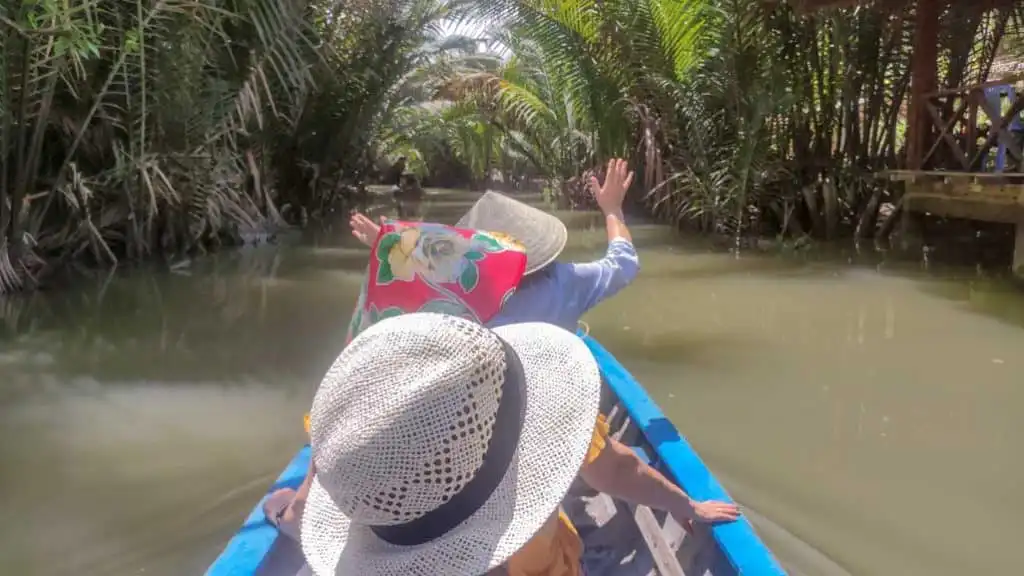
If the Cu Chi Tunnels feel too crowded for you, or you’re simply after something different for a day, Can Gio is the perfect alternative that most tourists skip.
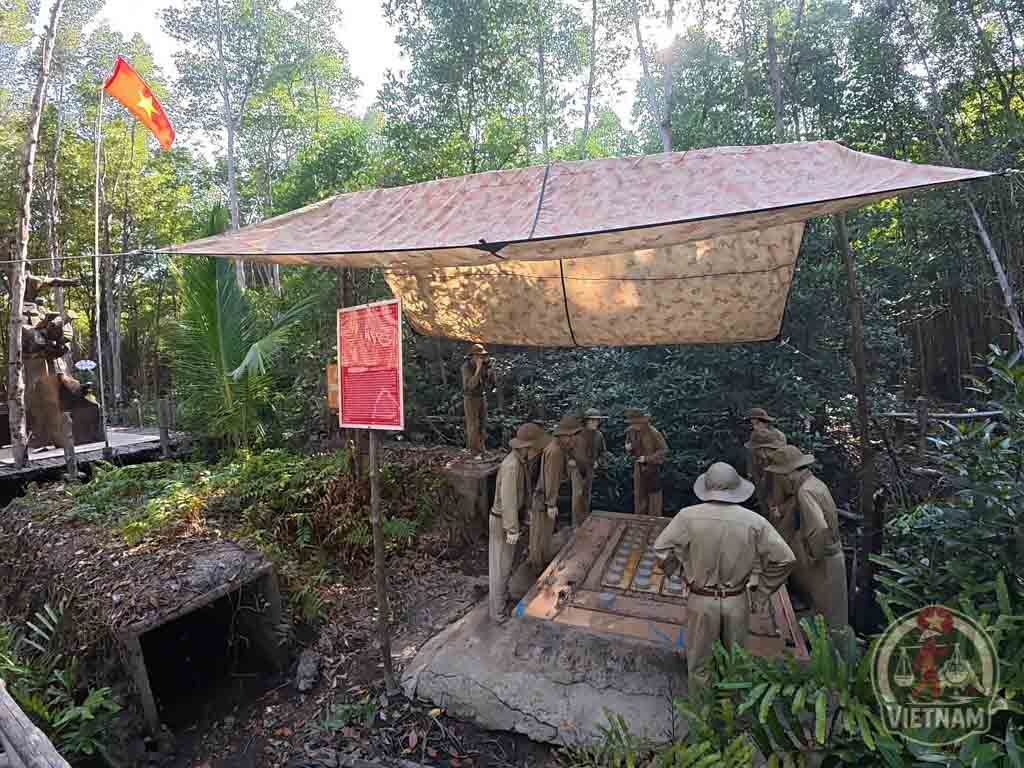
Just an hour and a half from Ho Chi Minh City you’ll find a UNESCO-declared biosphere reserve with spectacular mangroves, hundreds of free-roaming monkeys and the remains of the Viet Cong guerrilla base deep in the jungle.
All of that, with practically no Western tourists.
The trip revolves around Monkey Island (Đảo Khỉ), home to more than 2,000 macaques who’ve spent years perfecting the art of theft.
Everything you need to know to visit Can Gio and Monkey Island is in this post.
Ho Chi Minh itineraries
Ho Chi Minh City in 1 day
If you only have one day in Ho Chi Minh, it’s enough to get a good feel for the city — perfect for those who’ve just arrived in the country or have a few free hours before their flight home.
You can start your itinerary with a walk around District 1, where you’re most likely staying: a loop past the Notre-Dame Cathedral, the Post Office and the Reunification Palace.
In the afternoon, visit the War Remnants Museum, and to lighten the mood after such an intense visit, take a stroll through traditional markets like Ben Thanh Market.
Exploring Saigon in 2 days
If you have two days, spend the first exploring the city as in the itinerary above, and use the second to visit one of the highlights in the surrounding area.
One option is the Cu Chi Tunnels — you can go on a tour like this one or on your own; we explain it in detail here.
The other alternative is a trip to the Mekong Delta, which — like the tunnels — is best done on a tour, especially if you’re tight on time.
Both destinations take between half a day and a full day, so it’s worth booking ahead to make the most of your itinerary.
How to get around Ho Chi Minh City
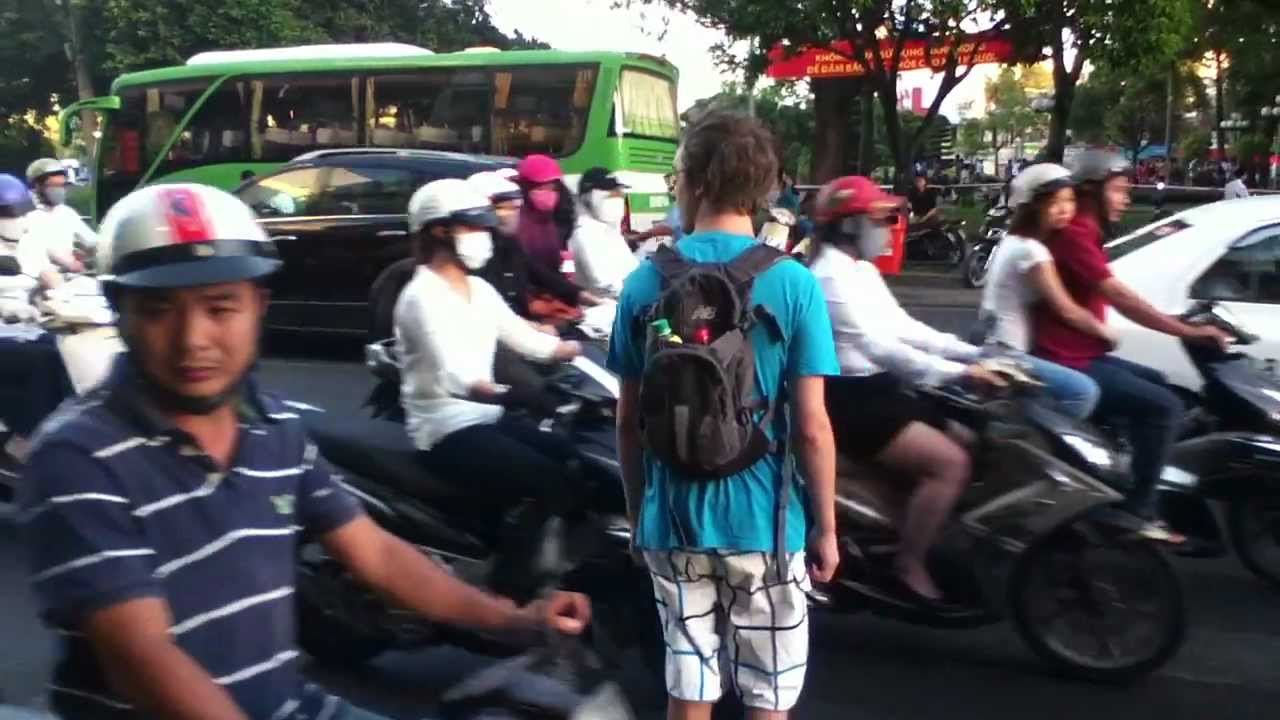
Traffic in Ho Chi Minh City borders on the surreal. The number of motorbikes flowing through its streets every day is so high that, if you’ve never been in another Vietnamese city, you’ll most likely feel a little overwhelmed at first.
Although crossing the street may seem like mission impossible at first, know that there really is a certain order within the chaos — and with a little practice, you’ll notice that everyone adapts to its rhythm.
The trick is to walk slowly, avoid sudden movements, and let the riders steer around you.
To give you a clearer picture of what we mean, here’s a video showing it in action:
By motorbike taxi, Grab and the like
The easiest way to get around the city is with apps like Grab or Be — both run excellent Uber-style transport services.
In Vietnam, the norm is to request a motorbike taxi through either of them. That said, if you’re loaded down with luggage or it makes you nervous, you can always request a car — though with the traffic it’s much slower, especially at rush hour (from 4:30 pm to 7:00 pm).
By bus
For those who like to travel like a pro while spending the bare minimum, there’s the local bus network connecting the city’s different areas. It can seem a bit chaotic at first, but with the BusMap app (available in English) you can easily plan routes, check schedules and know where to get off.
And if you’re a fan of sweeping city views, here you can also book the night sightseeing bus, a popular option that does the classic loop past the city’s main landmarks.
Riding the Ho Chi Minh City metro
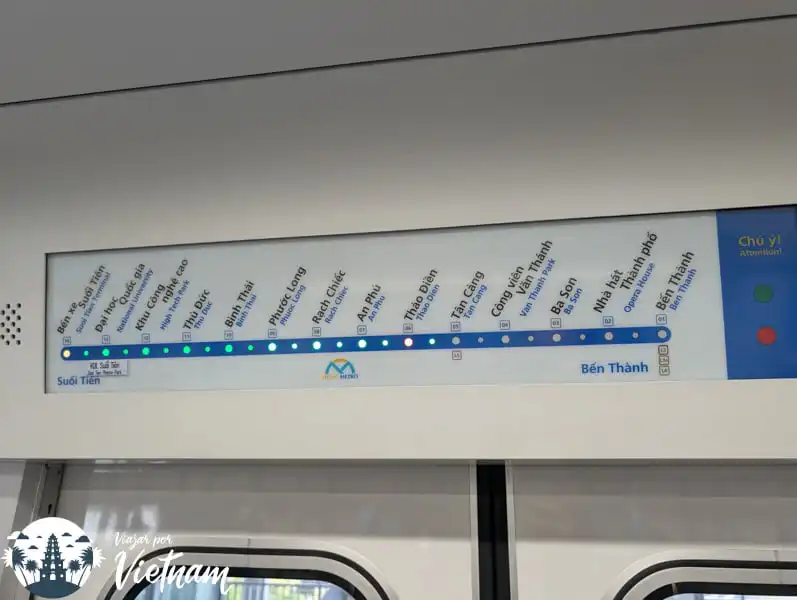
Ho Chi Minh recently opened its first metro line, with 14 stations connecting District 1 with the east of the city, home to residential areas like Thao Dien, very popular among expats.
- A ticket costs 7,000 VND (less than US$0.30) for short stretches.
- Open daily from 5:00 am to 10:00 pm.
How to get from the airport to central Ho Chi Minh City
Ho Chi Minh is, along with Hanoi, one of the two main entry points for travelers and tourists coming to Vietnam.
Tan Son Nhat airport has three terminals: Terminal 1 and Terminal 3 mainly handle domestic flights from around the country — Hanoi, Da Nang or Da Lat — with Terminal 3 being the newest and dedicated almost exclusively to Vietnam Airlines flights, while Terminal 2 is the international terminal.
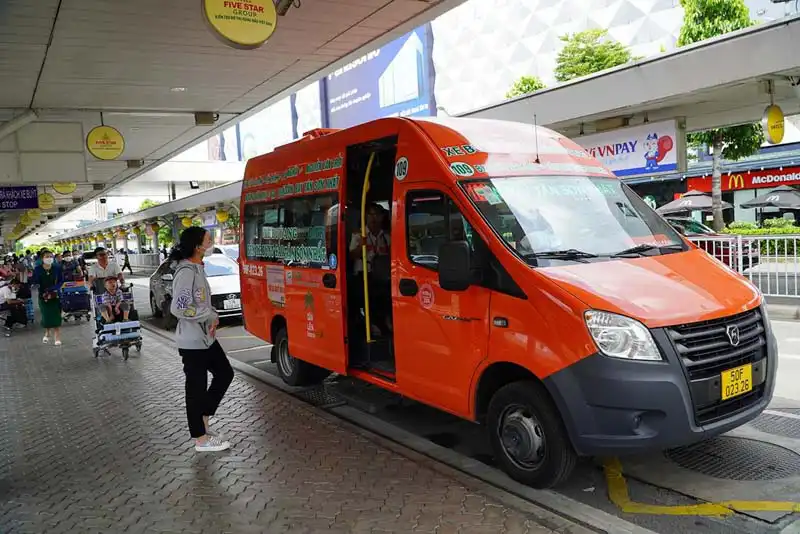
Since you’ll most likely be staying in District 1, like most visitors, the cheapest option is the bus. Buses depart from Terminal 1, so if you’re arriving from abroad you’ll have a 5-minute walk over. Once there, the main routes you can use are:
- Bus 109, easy to spot as an orange minibus, will get you to the center in about 45 minutes, ending at 23/9 Park in the heart of District 1. Price: 40,000 VND.
- Bus 152, somewhat longer at around 1 hour. Price: 6,000 VND.
If waiting for a bus isn’t your style, you can take a taxi, use Grab, or simply book a private transfer in advance so it’s waiting for you.
At Terminal 2, the pickup point for Grab and other ride-hailing services is in the parking lot right in front of the terminal, while at Terminal 1 it’s in the underground parking directly opposite. Just select the nearest pickup point in the app.
Where to stay in Ho Chi Minh City
Ho Chi Minh City is huge, so picking the right neighbourhood will save you a lot of Grab rides. Here are the three areas we recommend depending on the kind of trip you’re after:
- District 1: it’s where most travellers stay and, if it’s your first time in Saigon, without a doubt the best option. It’s the most central area and you’ll have almost everything we tell you about on your doorstep. In exchange, though, you’ll find somewhat higher prices, especially in restaurants, and quite a few vendors trying to sell you things, particularly around Ben Thanh market.
- Binh Thanh: this is where I live, and if you’re after something more local and much cheaper, it’s ideal. It’s barely 15 minutes by Grab from District 1 and has some very lively spots, like Pham Viet Chanh street, packed with restaurants and places for a drink, Japanese, Western and local alike.
- Thao Dien, in District 2: this is where the vast majority of expats live and where the high-end international schools are, so its restaurants and bars are mostly Western-style. It’s a very quiet area, perfect if you want to escape the chaos a little and feel more at home. It’s about 20-25 minutes by Grab from District 1, and you can also get there quickly by metro.
And so you don’t have to go looking, here are three options, one per budget, all with excellent reviews:
Vy Khanh Guesthouse
From 400,000 VND (~€13) / night
The budget pick with over 1,300 reviews: simple, central and at a price that’s hard to beat.
Check availability and prices →Salute Saigon Hotel and Spa
From 1,800,000 VND (~€60) / night
A 4★ with a spa that, for what it costs, is among the best rated in the city.
Check availability and prices →La Siesta Premium Saigon Central
From 3,300,000 VND (~€110) / night
The benchmark 5★ right in District 1, with over 1,200 reviews.
Check availability and prices →The best time to visit Ho Chi Minh City
Southern Vietnam has a warm, tropical climate all year round, with consistently high temperatures and a rainy season driven by the monsoon.
If you’re traveling to Ho Chi Minh, come prepared for the heat and check the forecast carefully for your travel dates, because the experience can vary a great deal between the dry season and the rainy season.
In general, the best time to visit runs from late October to June, when dry, sunny days prevail.
In the rainy season (July to October), heavy afternoon storms are common, almost daily. They usually last an hour or two at most, though, so the rest of the day can be enjoyed without much trouble.