
If you’re planning a trip to Vietnam and have only two weeks to explore this incredible country, you’re in the right place.
In this 15-day Vietnam itinerary we give you the keys to plan your trip and optimize your time the smart way — seeing as much as possible without rushing.
The good news about a 15-day Vietnam route is that it lets you cover many of the country’s main highlights. The bad news is that this country is so vast and so packed with attractions that, we guarantee, the moment you finish you’ll be itching to come back for everything you had to leave out.
In this post
Vietnam in 15 days: adventurous or classic?
In this article we present two recommended routes for traveling Vietnam in 15 days:
- A two-week route ideal for more adventurous or backpacker-style travelers — perfect if you enjoy diving into nature, exploring lesser-known places and trying exciting activities, on a tighter budget.
- A 15-day itinerary for more “classic” travelers, with a calmer travel experience built around the main tourist attractions. Perfect for the average traveler (families, couples, friends), with a more comfortable budget.
Note: All days are counted as full days at destination — the itinerary doesn’t include the outbound flight (where you normally lose a day to the time difference) or the return.
Depending on the kind of traveler you are, pick the one that best matches your travel style and what you’re looking for.
15-day Vietnam itinerary for backpackers
This two-week Vietnam itinerary is designed for travelers with a more adventurous spirit — those who want to see the country’s main highlights but also go beyond the typical tourist stops, diving deeper into the experiences and spending their time connecting with nature and discovering less-traveled corners.
Map of the budget 15-day Vietnam itinerary
Here’s the summary map of the backpacker version of the itinerary.
Day 1: Arrival in Hanoi — ease into Vietnam’s capital
The ideal starting point is Vietnam’s bustling capital, Hanoi.
On the first day, after the long flight, the best plan is to take it easy and let yourself adjust to the country.
You can take bus No. 86 to the historic center — that link covers all the different ways to get from the airport to the city center.
Once you’ve settled into your accommodation, we recommend heading to exchange money at Hanoi’s jewelry street and taking a stroll around the Old Quarter.
Sit down at any of Hanoi’s hundreds of cafés to watch Vietnamese life flow by, and don’t forget to try the famous egg coffee — or our favorite, coconut coffee.
If you’re a beer lover, drop by any of the dozens of Bia Hoi (local beer joints) around the city and try the light beer brewed locally in Vietnam.
If you’re not too tired, take a sunset walk around Hoan Kiem Lake — or, if you happen to arrive on a weekend, visit the night market before turning in to rest up for the next day.

Where to stay in Hanoi? Recommended budget accommodation
Here are some of our favorite budget places to stay in Hanoi.
Old Quarter View Hanoi Hostel
From 340,000 VND (~€11) / night
A hostel in the Old Quarter, Hanoi’s most-reviewed budget stay. Excellent location for getting around on foot.
Check availability and prices →Rebel Rooster Hostel
From 270,000 VND (~€9) / night
A hostel with a sociable vibe right in the Old Quarter, highly rated for its cleanliness and friendly staff.
Check availability and prices →Day 2: Day trip to Ha Long Bay
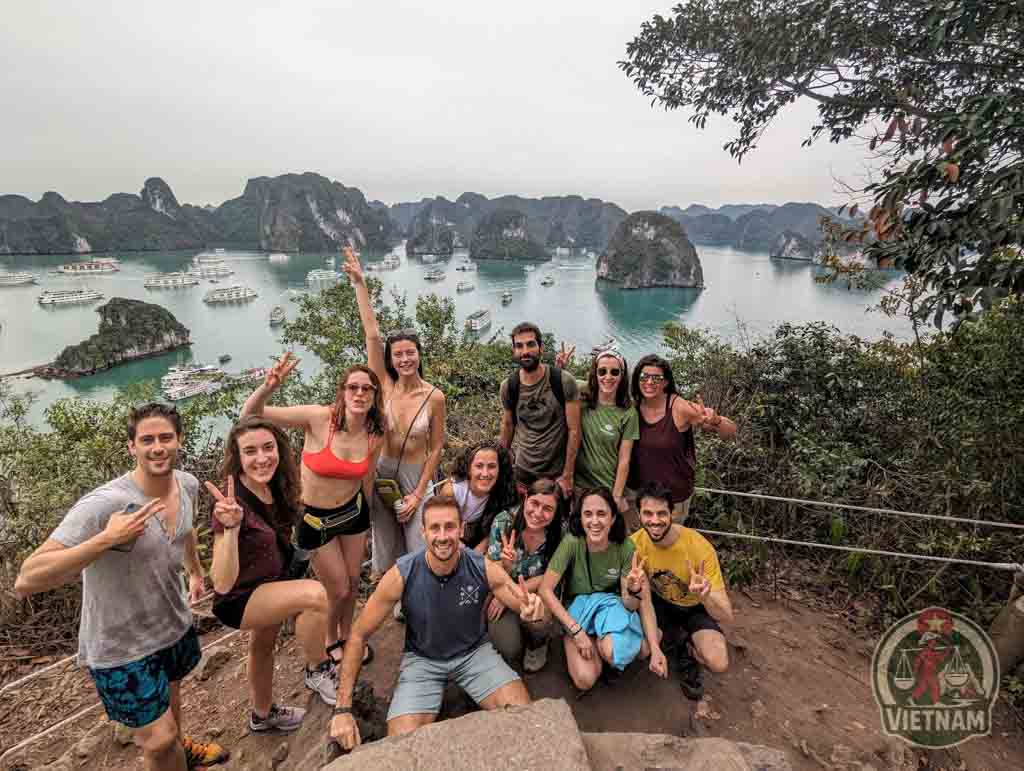
There’s no better way to start day two of your 15-day Vietnam itinerary than with a visit to one of the most breathtaking natural landscapes in all of Southeast Asia: Ha Long Bay.
You can book your excursion the day before at any agency in Hanoi, or if you prefer to book online, this is our favorite tour.
Almost all excursions include the transfer from the capital to the port and back.
If you have time and want to study every option in detail, here’s a complete guide to Ha Long Bay to plan according to your taste.
Day 3: Discovering Hanoi, Vietnam’s capital
The best use of your third day in Vietnam is to discover Hanoi.
We recommend starting with this free walking tour of the historic center.
The capital has plenty of corners you won’t want to miss — more than enough to fill a whole day of visits and activities.
To organize it around your interests, here’s a complete post on what to see and do in Hanoi.
At the end of the day, it’s time to head to Ha Giang. This post covers the different ways to get from Hanoi to Ha Giang, though we recommend the comfortable overnight Cabin Bus.
If all goes well, you’ll arrive in Ha Giang around 3 or 4 in the morning — straight into a real bed to rest a few hours before the great adventure of the Ha Giang loop.
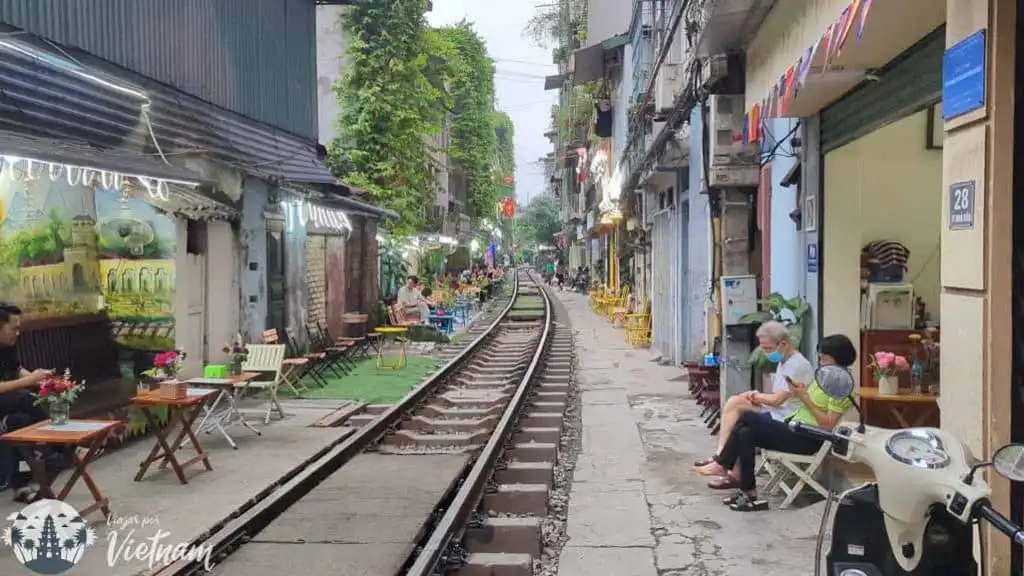
Days 4 to 7: Ha Giang motorbike loop
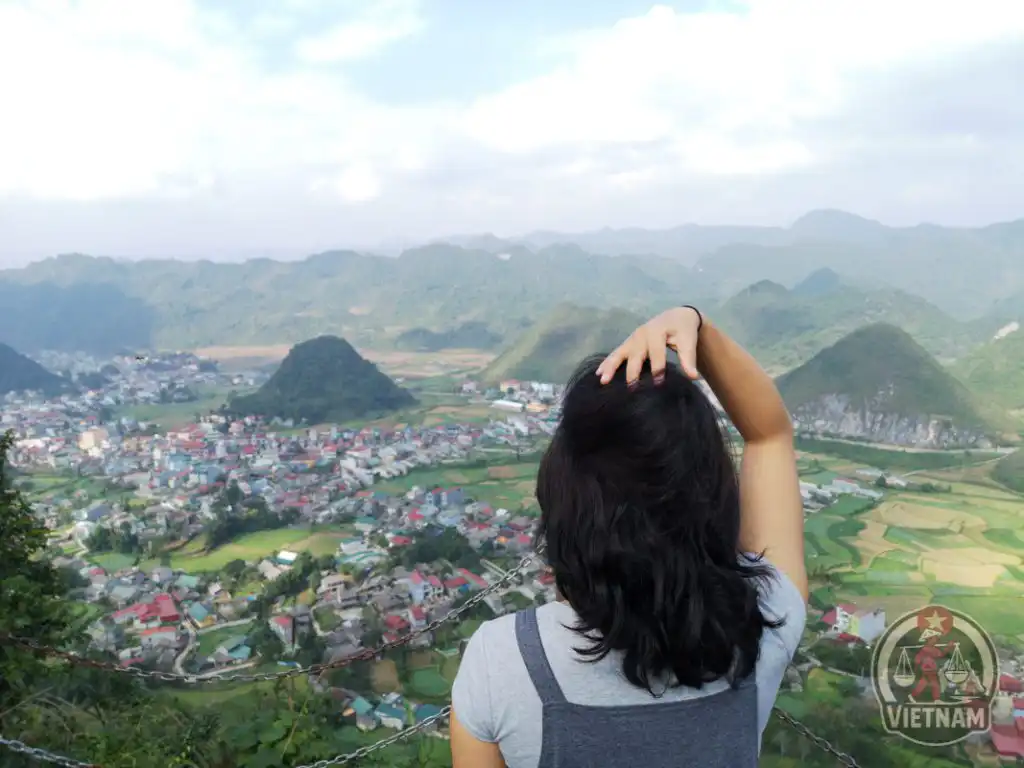
Get ready for what will be one of the high points of your Vietnam adventure: the Ha Giang Loop.
Over the next 4 days, this motorbike route will carry you through landscapes packed with mountains, valleys, ethnic villages and roads that snake across some of the most spectacular terrain in northern Vietnam.
Don’t ride? No problem — Vietnam has plenty of specialized drivers known as Easy Riders whom you can hire to take you along the route while you simply enjoy the scenery.
If you choose to ride yourself, remember that a motorcycle license (category A) and a valid international driving permit are mandatory — skip them and it will cost you dearly, as police checkpoints sit on almost every corner.
You can read all about the experience in this complete article on the Ha Giang loop.
You can rent the motorbike or hire an Easy Rider directly through your hostel in Ha Giang, or join any of the tours offered by agencies in Hanoi.
You can also book ahead online through this link.
On the last day of the loop, back in Ha Giang, take the night bus to Ninh Binh — once again we recommend the Cabin Bus — arriving in Ninh Binh around 5 in the morning.
If you’d rather not wander the streets until sunrise, we recommend paying for that night’s accommodation in Ninh Binh too, so you can go straight to bed.
Where to stay in Ha Giang? Recommended budget accommodation
Here are some good-value places to stay in Ha Giang.
Loop Central Stay Tour & Motorbike Rental
From 90,000 VND (~€3.00) / night
A well-located hostel with tours available — ideal for exploring the region and meeting other travelers.
Check availability and prices →Ha Giang Hostel
From 230,000 VND (~€8) / night
A hostel with an excellent location and very good ratings for comfort and service.
Check availability and prices →Ha Giang Loop Hostel & Tours
From 190,000 VND (~€6) / night
A hostel with tours included to ride the legendary Ha Giang Loop at a very affordable price.
Check availability and prices →Days 8 and 9: Ninh Binh — Tam Coc and Trang An
After a few short hours of sleep, it’s time to get up and explore Ninh Binh, famous for its karst formations and postcard-worthy landscapes.
Spend this first day exploring Tam Coc by bicycle — most accommodations rent them out or lend them for free — and end the day stretching your legs on the climb up Mua Cave for the sunset.
On the second day, explore the Trang An area and take one of the boat tours on offer.
If you rent a motorbike you can also ride out to Hoa Lu and even the Bai Dinh pagoda. If you don’t ride, arrange transport through your hostel or join a tour.
At the end of the day, take the night train from Ninh Binh to Hue.
Remember to book it in advance — you can do it through any agency during your first days in Hanoi, on the official website, or through this link.
There are sleeper compartments for 6, 4 and 2 people, priced according to the option you choose.
Here’s a complete post on how to get to Hue from different parts of the country.

Where to stay in Ninh Binh? Budget accommodation we like
Here are some worthwhile budget stays in Ninh Binh.
Forest Sunset Hostel
From 200,000 VND (~€7) / night
The best-rated hostel in Ninh Binh, surrounded by nature and with a quiet atmosphere.
Check availability and prices →Trang An Freedom Hood
From 180,000 VND (~€6) / night
A hostel next to Trang An with 700 reviews, free bicycles and a perfect base for exploring the area by motorbike.
Check availability and prices →Day 10: Hue, exploring Vietnam’s old imperial capital
Day ten of your 15-day Vietnam route is for discovering Hue, the old imperial capital.
Hue has more than enough attractions to keep you busy for a good while, so our recommendation is to rent a motorbike and explore them at your own pace.
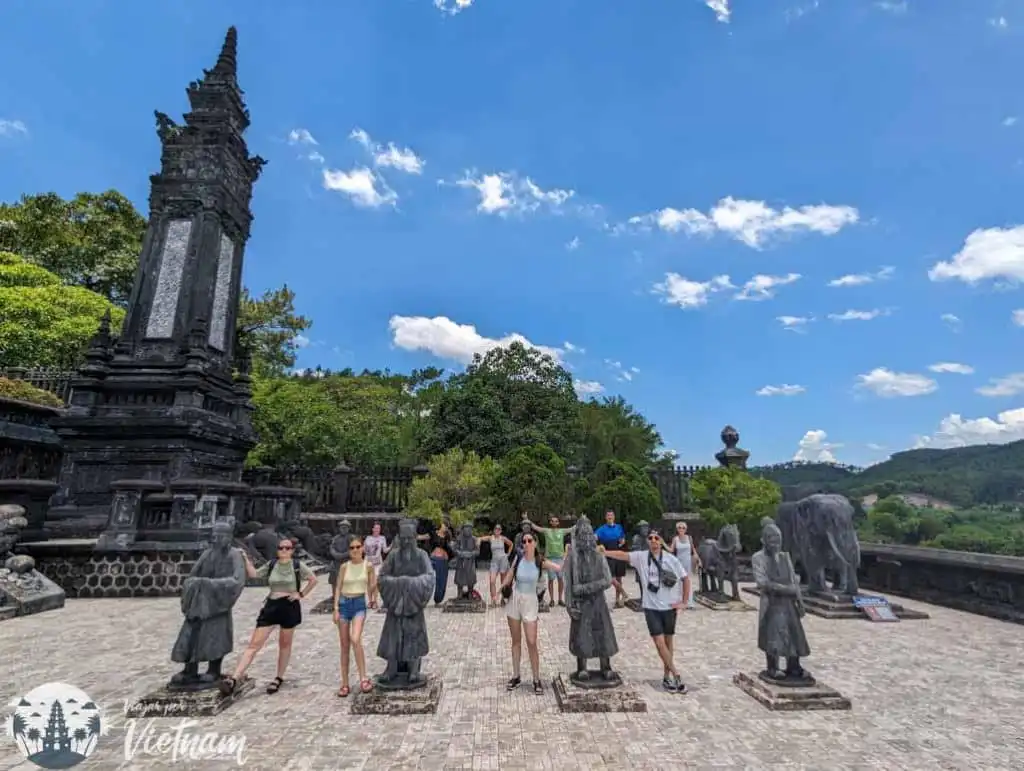
Our absolute must-dos include visiting one of the imperial tombs, the Dong Ba market and the Thien Mu pagoda, where you can end the day watching the sunset on the banks of the Perfume River.
Here’s a complete post with everything you can see and do in Hue to plan it your way.
Where to stay in Hue? Cheap stays for your route
Here are some budget stays in Hue for low-cost trips.
Chi Homestay #4
From 160,000 VND (~€5) / night
The best-rated budget stay in Hue: authentic local atmosphere at hostel prices.
Check availability and prices →Lavande Hue Homestay
From 360,000 VND (~€12) / night
A well-located, quiet homestay with very good ratings for its friendly staff.
Check availability and prices →Day 11: Hai Van Pass — Hue to Hoi An by motorbike
Today is one of the most special days of your two-week route through Vietnam, because the Hai Van Pass awaits: a spectacular motorbike ride from Hue to Hoi An.
The route usually starts in Hue, crossing rice fields and villages until the first stop at the Cau Hai lagoon, where you’ll get a glimpse of the traditional life of local fishermen.
After the lagoon stop, the route continues to one of the area’s many waterfalls, where you can cool off from central Vietnam’s intense heat.
The lunch stop is usually at Lang Co beach, where you can feast like a kid on fresh seafood and take a dip before pressing on.
The high point comes with the climb up the Hai Van pass, a narrow mountain road with spectacular views of the coast and Da Nang bay.
Finally you’ll cross the city of Da Nang, Vietnam’s third largest, to reach Hoi An at sunset.
In Hue you’ll find motorbike rental offices that handle the rental and send your luggage straight to Hoi An — though if you’d rather not organize it yourself, our recommendation is to do it on a tour like this one.
On arrival, make Hoi An your base for the next 3 nights and use it to explore the area from there.

Where to stay in Hoi An? Budget stays in the city of lanterns
Here are some budget places to stay in Hoi An for low-budget trips.
Threeway Riverside Villa
From 500,000 VND (~€17) / night
A riverside villa within walking distance of the old town, with great value for money.
Check availability and prices →Family Hotel Hoi An Center
From 500,000 VND (~€17) / night
A well-rated budget hotel in the center of Hoi An, an ideal base for exploring the historic quarter.
Check availability and prices →Day 12: Da Nang, Vietnam’s central coast
Two weeks in Vietnam go a long way but fly by fast, so every day counts — which is why we recommend spending day 12 visiting nearby Da Nang.
You can do it on your own by renting a motorbike or negotiating transport in Hoi An.
Da Nang is one of Vietnam’s most important cities and well worth a day to explore its charms.
Start with the beautiful Marble Mountains, then head to the Son Tra peninsula, riding its narrow roads to spots like the giant banyan tree, and looking out for the red-shanked douc langurs that inhabit the peninsula.
The Linh Ung pagoda, with its bonsai courtyard and impressive Lady Buddha statue, is another visit you shouldn’t miss before leaving the peninsula.
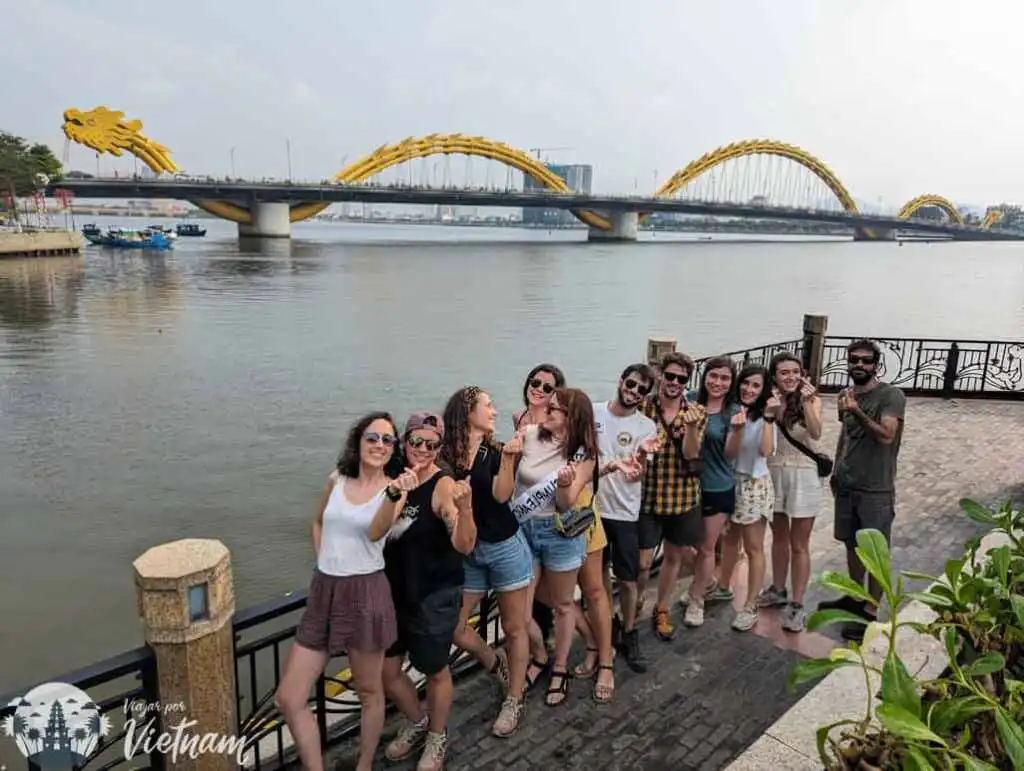
Before returning to Hoi An, stop by the Dragon Bridge — and if you’re there after dark, take a stroll through the night market next to it.
In case we’ve missed anything, here’s a complete article on what to see and do in Da Nang.
Days 13 and 14: Hoi An and its lanterns
Spending two days in Hoi An is ideal for soaking up Vietnam’s most famous town.
Touristy as it is, there’s no denying Hoi An has an atmosphere that makes it unique in the country.
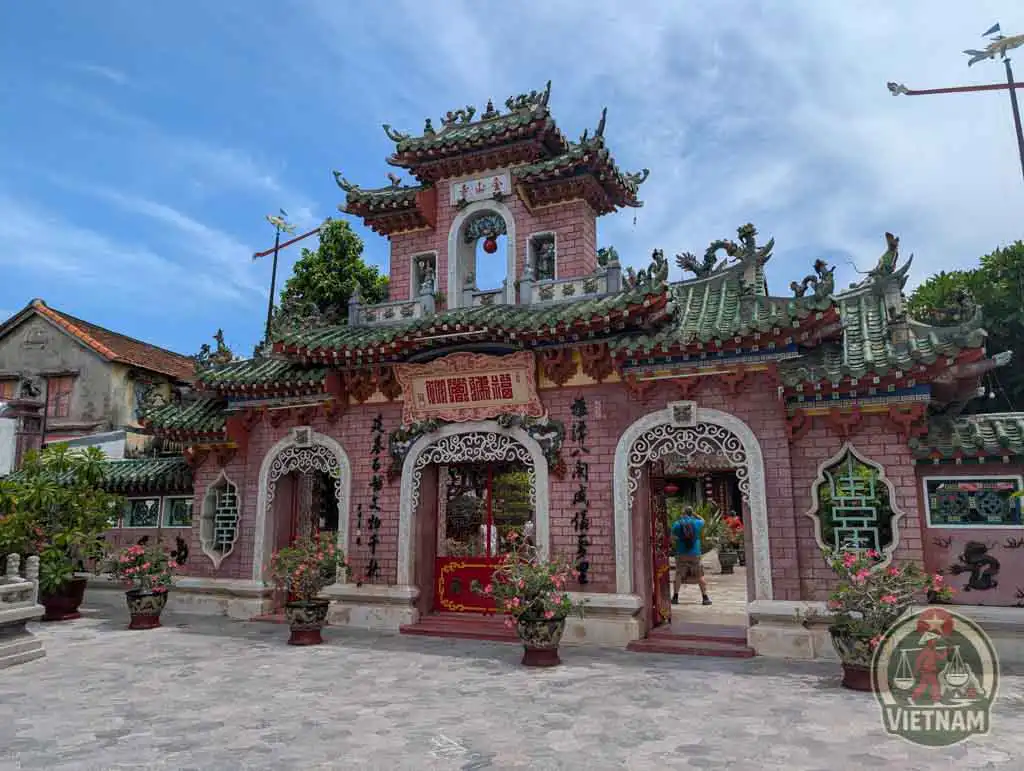
Our recommendation: on the first day, use the morning for a guided walking tour to soak up its history, then take the afternoon at a slower pace, strolling the old quarter, watching the sunset and wandering the night market.
On the second day, rent a bicycle and drift through the rice fields until you reach one of Hoi An’s beaches for a proper swim — and on the way back, squeeze in a lantern-making workshop or a Vietnamese cooking class.
Here’s a complete post with everything you can see and do in Hoi An.
Day 15: Back to Hanoi and home
On the final day, head back to Hanoi early: make your way to Da Nang airport and take a short domestic flight.
Leave at least 4 hours between your domestic flight and your international one, as you’ll need to change terminals and check in.
If your flight leaves late, spend your last hours in Hanoi haggling for a souvenir or some outdoor gear in the city’s many shops before boarding your flight home.
You can also fly home directly from Da Nang’s international airport on a multi-city ticket, though it usually works out a little more expensive.
“Off the beaten path” alternative
Days 10 and 11: Phong Nha: If you’d rather follow a less touristy itinerary with an extra dose of nature, we recommend swapping days 10 and 11 of this route for a visit to the caves of Phong Nha-Ke Bang national park, in the center of the country. To get there, take the same night train from Ninh Binh and get off at Dong Hoi. You can also take the sleeper bus if you prefer, directly to Phong Nha.
Once there, we recommend a tour of one of its caves, like Paradise Cave or Dark Cave. You can also try a multi-adventure activity like the zipline — though the tranquility of the place often invites you to simply rent a motorbike and roam the area at your own pace, drifting through the villages. Learn more about Phong Nha.
If you like it more than expected, you can always cut the Da Nang day and stretch your stay here by one more; and if you’ve had your fill, take the train or bus back to Da Nang and continue with the rest of the itinerary.
Classic two-week Vietnam itinerary
This 15-day Vietnam itinerary is designed for the average traveler seeking a comfortable experience, focused primarily on the country’s most emblematic destinations.
If what you’re after is a well-organized route that lets you enjoy the main attractions unhurried and in full comfort, this plan is ideal for you.
Map of the 15-day Vietnam itinerary — classic version
Here’s the map of the more classic two-week route through Vietnam.
Days 1 and 2: Hanoi, welcome to the Vietnamese madness
Just like in our previous itinerary, we begin the experience by flying into the capital, Hanoi.
On arrival, you can grab a taxi to your accommodation at the arrivals area — or, to save some hassle, we recommend booking it in advance so someone is waiting for you when you land. You can do it through this link.
Once settled in, take a walk around the center, exchange some money and enjoy the city’s atmosphere.
If you still have energy left, catch the water puppet theater performed daily — a lovely first dive into the country’s culture.
On the second day, we recommend kicking off with this free walking tour of the historic center to get your bearings and learn plenty of interesting things about the city and the country — then keep exploring the rest of Hanoi’s attractions on your own.
In this article we give you plenty of ideas to fill your time.
Where to stay in Hanoi? Recommended mid-range and upscale stays
Here are some of our favorite places to stay in Hanoi.
Astoria Hanoi Hotel & Travel
From 1,100,000 VND (~€37) / night
A boutique stay next to St. Joseph’s Cathedral, the best rated in its category in Hanoi.
Check availability and prices →Le Premier Hotel & Rooftop Bar
From 2,300,000 VND (~€77) / night
The best rated in all of Hanoi, with over 2,000 reviews. Rooftop bar overlooking the Old Quarter.
Check availability and prices →Day 3: Day trip to Ninh Binh
We’ll use our third day to discover Ninh Binh.
Ninh Binh is about 2 hours by car from Hanoi, so to make the most of your time, you can arrange a private driver through your Hanoi hotel to take you to its main sights and bring you back in the evening.
You can also opt for a full guided tour like this one, or alternatively this other option.

Days 4 and 5: Two-day cruise around Ha Long Bay
Halong Bay is an essential stop on any 15-day trip to Vietnam.
With a bit more time than on shorter trips, we can give it two days and calmly explore both Halong Bay and Lan Ha Bay.
The best option is to book a two-day boat cruise with a night in the bay — a relaxed, comfortable way to experience this beautiful place.
Practically all cruises offer similar experiences — bay routes, Tai Chi or cooking classes and spectacular sunsets from the deck. The price difference comes down mainly to the category of the boat and its facilities.
You can book at any agency in Hanoi and choose a cruise with more or less comfort to your taste.
If maximum comfort is your thing, you can book a 5-star cruise with a private cabin and bay views, packed with every luxury, through this link.
You can learn more about Ha Long Bay and how it all works in this complete article we’ve prepared for you.
On the second day, back in Hanoi, take the night train to Lao Cai, or the sleeper bus directly to Sapa. Once again, if you go by bus, we recommend the comfortable Cabin Bus.
Or, if you’d rather keep it simple, spend the night in Hanoi and book a two-day Sapa tour from the capital like this one with an early departure the next morning and everything included.
Either way, here’s all the information on getting from Hanoi to Sapa by different means.

Days 6 and 7: Sapa, among rice terraces and mountains
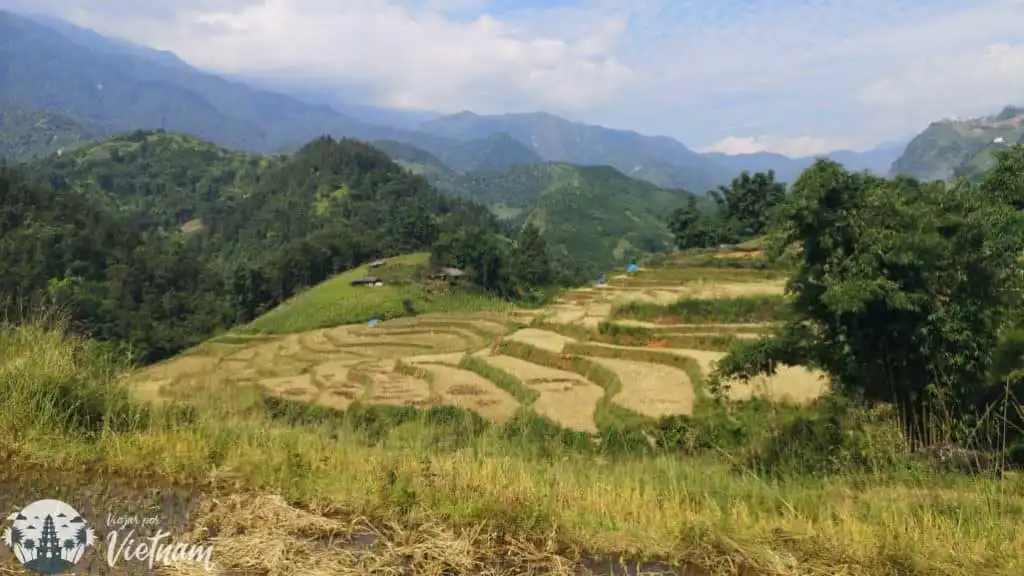
Sapa is one of Vietnam’s most famous and most visited places and the perfect spot to leave the city behind and reconnect with nature — so we’ll dedicate the next two days to it.
If you’re traveling independently without a tour, the ideal plan is to spend your first day in Sapa trekking through the valley and villages, and the next day hire private transport to visit some of its waterfalls.
If you love panoramic views and the weather cooperates, you can swap the waterfalls for a cable car ride to the top of Fansipan Peak.
Here’s an article on everything you can see and do in Sapa.
On the afternoon of the second day it’s time to head back toward Hanoi — and here you have several options depending on your taste:
- Option 1: Catch one of the last flights to Da Nang and sleep directly at your hotel in Hoi An or Da Nang. The bus from Sapa usually passes by the airport — or if you booked a tour, ask the guide to drop you there on the way back.
- Option 2: Spend the night in Hanoi and take the plane the next morning.
- Option 3: Take the overnight sleeper train from Hanoi, arriving in Da Nang first thing in the morning.
As you can see, there’s an option for every taste — you decide.
Where to stay in Sapa? Mid-range and upscale stays we like
Here are some Sapa stays with great value for money.
Botanic Sapa Hotel
From 870,000 VND (~€29) / night
A hotel surrounded by nature, the best rated in its category in Sapa, with an excellent location.
Check availability and prices →Silk Path Grand Sapa Resort & Spa
From 2,000,000 VND (~€67) / night
A luxury resort with a spa, the best rated in Sapa, with panoramic mountain views.
Check availability and prices →Days 8, 9, 10 and 11: Central Vietnam — Hue, Da Nang and Hoi An
The next stop on our 15 days in Vietnam is Hoi An, the city of lanterns, where — after so much moving around these past days — we’ll set up base to explore the region.
If you chose the train in the previous step, the ideal move is to get off in Hue and spend your first night there, then transfer to Hoi An once you’ve seen the city.
Here’s how to get from Da Nang to Hoi An easily.
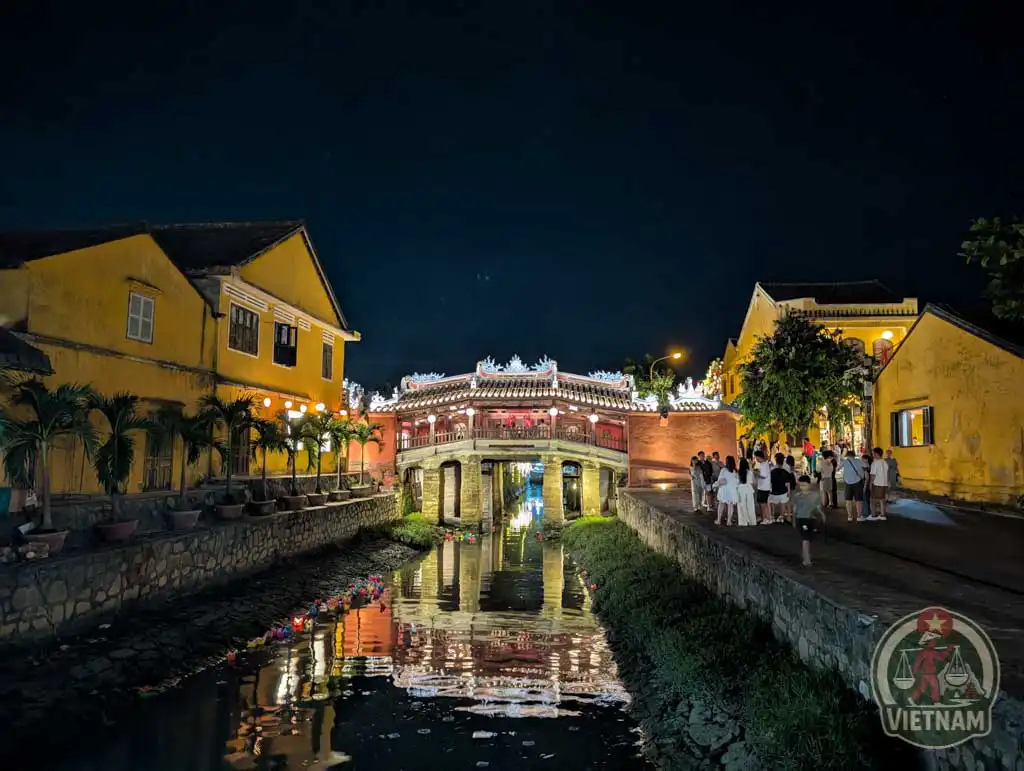
Once in Hoi An, dedicate your first day to exploring the old town and everything it has to offer. Don’t forget to visit at night too, when the city takes on a different kind of charm.
For the second day you have plenty of options, like the ones we cover in this complete article on Hoi An — plan according to your tastes and interests.
If you skipped Hue because you didn’t arrive by train, you still have a chance to see it: on the third day, take a day trip to the city’s main sights by hiring transport from Hoi An to Hue with a late return.
An ideal option is this tour, which also lets you comfortably take in Hue’s main landmarks and the Hai Van pass.
On the last day, we recommend visiting the nearby city of Da Nang, with stops at the Marble Mountains, the Linh Ung pagoda and the Dragon Bridge.
If you won’t leave Vietnam without the famous photo of the hands bridge, or if you’re traveling with kids, we also recommend visiting Ba Na Hills, the theme park where you can make it happen and enjoy some lovely views.
You can do it, like the previous day, with a private driver arranged in Hoi An, or on a tour like this one, which also includes the My Son sanctuary.
Where to stay in Hoi An? Recommended mid-range and upscale stays
Here are some Hoi An stays that fit the classic Vietnam route.
Vincent’s House
From 800,000 VND (~€27) / night
The boutique stay with the highest score in its category in Hoi An. Calm atmosphere and attention to detail.
Check availability and prices →Allegro Hoi An · A Little Luxury Hotel & Spa
From 3,800,000 VND (~€127) / night
A boutique luxury hotel with a spa, steps from the historic quarter. One of central Vietnam’s best premium options.
Check availability and prices →Days 12, 13 and 14: Ho Chi Minh City, the Cu Chi tunnels and the Mekong Delta
We’ll take an early flight from Da Nang to the capital of the south, Ho Chi Minh City.
The old city of Saigon is a mostly urban place without too many conventional sights — and yet it rewards a full day of exploration very nicely.
To help, we’ve prepared a complete post on everything you can see and do in Ho Chi Minh City.
The following two days are best spent discovering both the Mekong Delta and the Cu Chi tunnels, the south’s headline attractions.
You can hire transport from Saigon to the Cu Chi tunnels and onward to Can Tho, where you can spend a full day exploring the area before returning to Ho Chi Minh City for your international flight.
Can Tho also has an airport with direct flights to Saigon, in case you’d rather not go back by car — or want to connect directly with your international flight on day 15.
Another option is to base yourself in Ho Chi Minh City and take two separate day trips from there: one to the Cu Chi tunnels on the first day, and another to the Mekong Delta on the second.
You can also simply hire the transport, without a full guided tour, if you’d rather do things at your own pace.
It all comes down to your tastes, your style and what you need when traveling and getting around.
Here’s our guide to the Cu Chi Tunnels, and in this other post, the guide to the Mekong Delta, so you can plan it all the best way.

Where to stay in Ho Chi Minh City? Mid-range and upscale stays
Here are some Ho Chi Minh City stays that work well for this itinerary.
Grand Mays Inn Hotel & Spa
From 1,100,000 VND (~€37) / night
A boutique hotel with a spa near Ben Thanh Market, noted for its personal service.
Check availability and prices →La Siesta Premium Saigon Central
From 3,300,000 VND (~€110) / night
A boutique hotel in the heart of District 1, with a spa and quality breakfast included.
Check availability and prices →Day 15: Heading home
Sadly, it’s time to say goodbye to Vietnam and head home.
Here’s how to get from the airport to the city center and back.
If your flight departs from Hanoi because you booked a round trip instead of a multi-city ticket, remember to fly back to Hanoi with enough time to connect with your international flight, as you’ll have to change terminals at Noi Bai airport.
Budget for a 15-day trip to Vietnam
Here’s an estimated budget for each version of this 15-day trip to Vietnam.
For the classic version we give a budget range, since the final figure depends on the quality of accommodation you choose and how many private transfers and activities you book.
A quick tip before you continue
Don’t gamble with your health in Vietnam
A medical surprise far from home gets expensive. We always travel insured with Heymondo: medical cover, 24/7 assistance and protection against setbacks like delays or lost luggage.
Get yours with a 5% discount → · applied automatically through this link
On top of that, the classic traveler tends to be warier about eating in the places backpackers love (that is, more authentic, generally cheaper local spots) and leans heavily on other tourists’ reviews (Google Maps, Tripadvisor, Instagram), often landing in tourist traps (same food, at foreigner prices).
If you don’t mind eating at more local places, take the backpacker version’s estimated budget and add about US$55 — on the backpacker route, food during the Ha Giang Loop days is included if you go with a tour.
🎒 Backpacker budget for Vietnam: 15 days
Low budget🏨 Classic budget for Vietnam: 15 days
Mid-high budgetFlights to Vietnam for the 15-day itinerary
To fly to Vietnam for either of these 15-day itineraries, the cheapest option is usually a round trip to Hanoi, the country’s capital.
For the classic version, if the price difference is under US$110 or so, it’s worth booking a multi-city ticket: arriving in Hanoi and flying home from Ho Chi Minh City.
That saves you from having to fly back to Hanoi on your last day.
Long-haul flights to Vietnam usually run around US$900 outside peak season, with prices climbing considerably during the summer, especially in July and August.
Frequently asked questions about 15 days in Vietnam
It depends on your travel style.
On the backpacker version, the total budget is roughly US$1,100 per person (about US$75/day), including accommodation, food, transport, activities and insurance.
On the classic version, with mid-range hotels and more organized excursions, the budget rises to US$1,550-1,950 per person (US$100-130/day). Add the international flight on top, which runs between US$850 and US$1,400 depending on the season.
The best window is November to April, when almost the whole country enjoys dry weather. If you have to pick one month, March and April are ideal: the north is no longer cold, the center has its best weather of the year and the south stays dry. July and August bring more rain to the north, and October-November to the center, when typhoons can affect Hoi An and Hue.
It depends on your passport. Citizens of several countries — including the UK, Germany, France, Italy and Spain — can enter Vietnam visa-free for up to 45 days; you just need a passport with at least 6 months of validity. Travelers from the US, Canada, Australia and most other countries need an e-visa, a simple online process. The e-visa is also required if you plan to stay longer than your exemption or to enter and exit while combining Vietnam with neighboring countries.
Yes — 15 days is the minimum we recommend for traveling Vietnam at a reasonable pace. Depending on your style you have two options: the classic route covers Hanoi, Ninh Binh, Ha Long Bay, Sapa, Hue, Da Nang, Hoi An and Ho Chi Minh City; the adventurous route swaps the south for the Ha Giang Loop, the Hai Van Pass by motorbike and more time in nature. Either way you’ll leave destinations for a second visit — and you’ll almost certainly be back.
Vietnam is one of the safest countries in Southeast Asia for solo travel, for both men and women. Crime rates are very low. The main risks are the chaotic motorbike traffic and tourist scams.
The three most common options are: the night bus (available as a classic sleeper or the Cabin Bus, with enclosed individual berths), the overnight sleeper train (ideal for the Hanoi-Hue leg) and low-cost domestic flights with VietJet or Bamboo Airways. A night bus or train saves you a hotel night; flights are the best choice when time is tight.
Vietnam is still very much a cash-first country. With US$35-45 a day you can cover meals, local transport and small entrance fees. The cheapest way to exchange money is at the jewelry shops in both Hanoi and Ho Chi Minh City, where the exchange rate beats the banks.
ATMs are available in every city but charge a small fee (US$1-2 per withdrawal). You can find everything about money and exchanging currency in this other post.
There are no mandatory vaccinations to enter Vietnam for most travelers (only yellow fever if arriving from an endemic country). Hepatitis A, hepatitis B and typhoid are recommended. For rural areas of the north like Sapa or Ha Giang, the Japanese encephalitis vaccine is also worth considering. Check with a travel health clinic at least 4-6 weeks before departure.