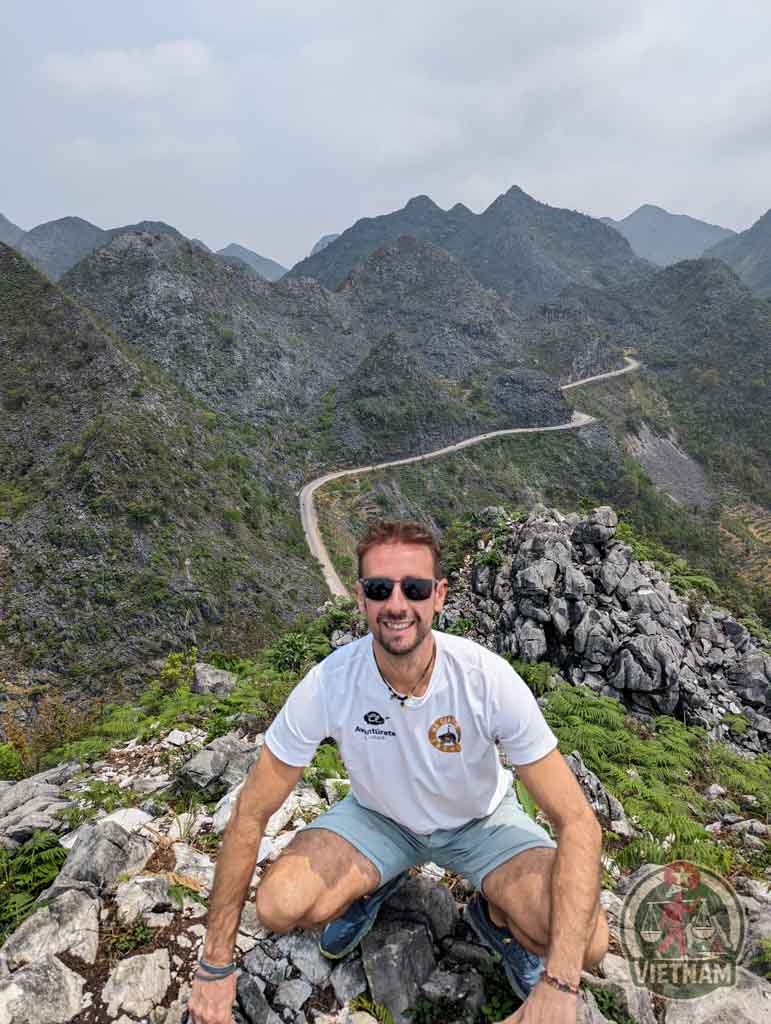
Vietnam is one of the best travel destinations you can visit today — and one where, we promise, it will be very hard to get bored for even a minute.
From the intensity and chaos of its cities to the beautiful landscapes of its countryside, Vietnam offers visitors so many options that it’s not easy to know what to do and where to spend your limited time as a traveler.
To make it easier, we’ve put together a selection of the best things to do in Vietnam — places and essential activities that will win you over on any trip through the country.
There are many more, of course — and by the time you finish your trip, you’ll already be itching to come back for all the ones you had to leave pending.
In this post
1. Cruise Ha Long Bay
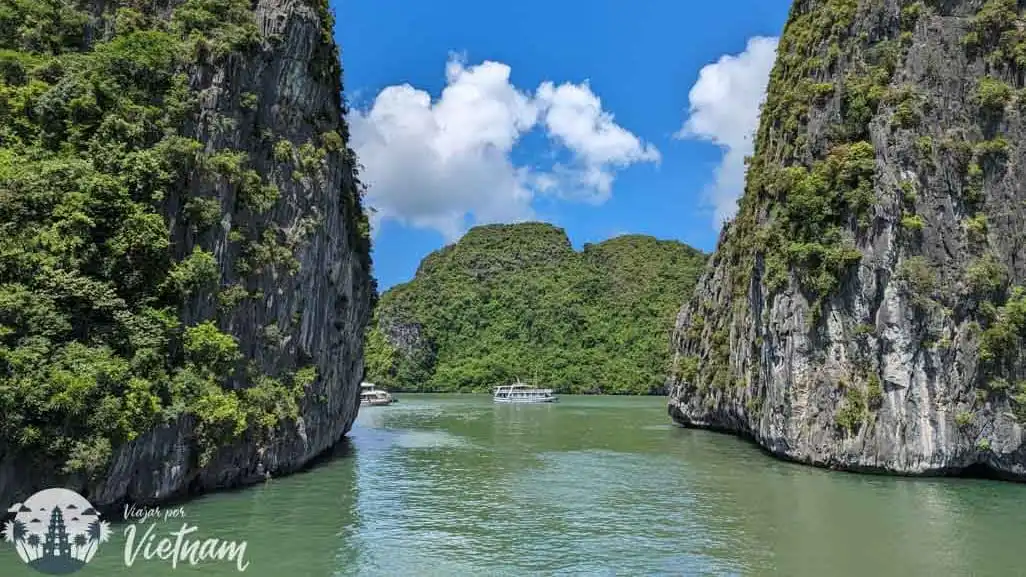
A World Heritage Site — if there’s one place you must see on any trip to Vietnam, it’s Ha Long Bay.
Sailing its beautiful waters on a cruise for a day or two, gawking at the karst formations, the dozens of islets and the color of the water at sunset, is the best way to experience it.
Most bay excursions offer activities like kayaking, cooking classes and Tai Chi, a beach stop, and at least one of the hundreds of caves that dot the area.
You can visit at any time of year, but if you can travel between March and June, the weather is usually perfect, with clear skies and radiant sun.
Here’s our full guide to Halong Bay so you can plan your visit to this unique place.
2. Wander the streets of Hanoi
Hanoi’s old quarter is one of Vietnam’s unmissable places.
Packed with narrow lanes, cafés and shops of every kind, walking its streets is like stepping into a world where you can find almost anything you can think of.
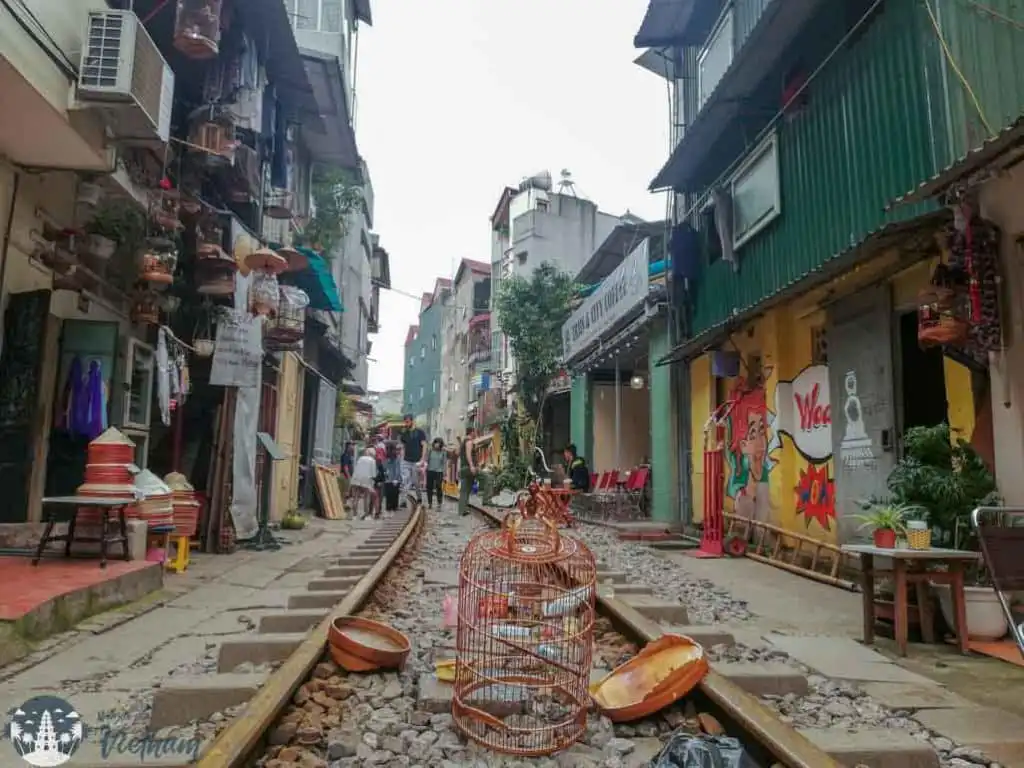
From the calm of Hoan Kiem lake to the famous Train Street, past its little temples and markets, getting lost here is an experience that’s intense and thrilling in equal measure.
And mind you, the old quarter is only a fraction of everything Hanoi has to offer.
So you don’t miss a thing, we’ve put together a thorough guide to everything you can see and do in Vietnam’s vibrant capital.
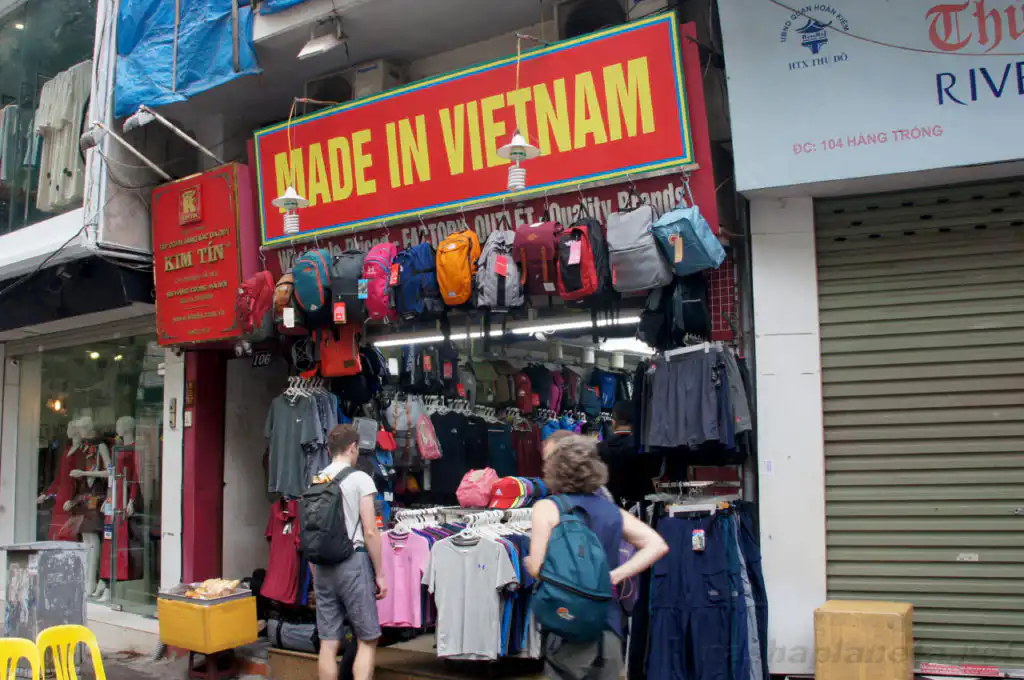
3. Refresh your wardrobe with tailor-made or “Made in Vietnam” clothes
If you enjoy shopping for clothes when you travel, get your wallet ready — in Vietnam it’s going to see some action.
Especially in places like Hanoi, Ho Chi Minh City or Ninh Binh, you’ll find lots of shops known as “Made in Vietnam” stores, selling clothing, backpacks and footwear from big brands manufactured in the country.
The appeal of these shops is that some of the products are genuine but didn’t pass the brands’ strict quality controls (maybe the logo isn’t perfectly aligned, the zipper is a little off, some detail like that), so they sell at far more affordable prices — while others are outright copies, in a range of qualities and prices.
If your taste runs more elegant, though, Hoi An has dozens of tailor shops with silks and fabrics of every quality. Prices aren’t a steal, but to give you an idea, you’ll probably pay less than half of what something similar would cost back home in Europe or the US.
Best of all, everything is made to measure — so if you’re always complaining about that dress that never fits quite right, this is your chance to finally get one that fits like a glove.
4. Lose yourself in its green landscapes
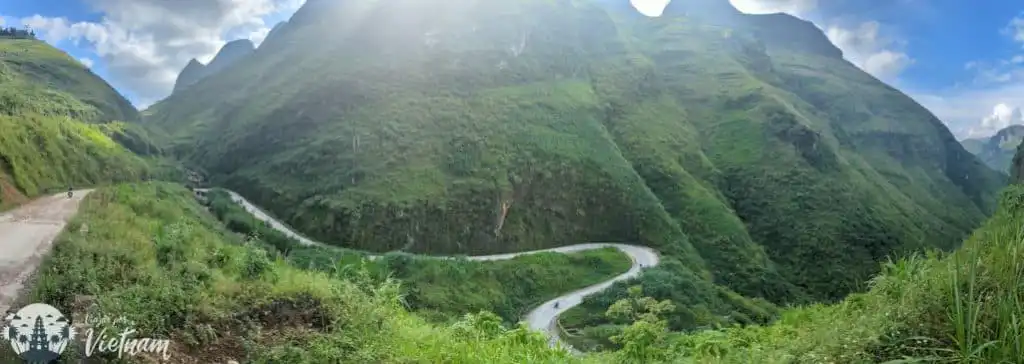
If there’s one thing that makes us fall for Vietnam, it’s the landscapes and the endless shades of green that blanket them.
It catches everyone off guard the first time they arrive in Vietnam: whether you’re walking the hills of Sapa, riding the Ha Giang loop or drifting by boat through the Mekong Delta, green is the color that dominates everything around you, all the time.
That’s why one of the best things you can do in Vietnam is simply stop and admire the natural beauty surrounding you.
Let the landscape wrap around you and reconnect with nature. We promise that if you keep your eyes open, it will be impossible not to fall in love with every green corner you find.
5. Climb Fansipan, Vietnam’s highest peak
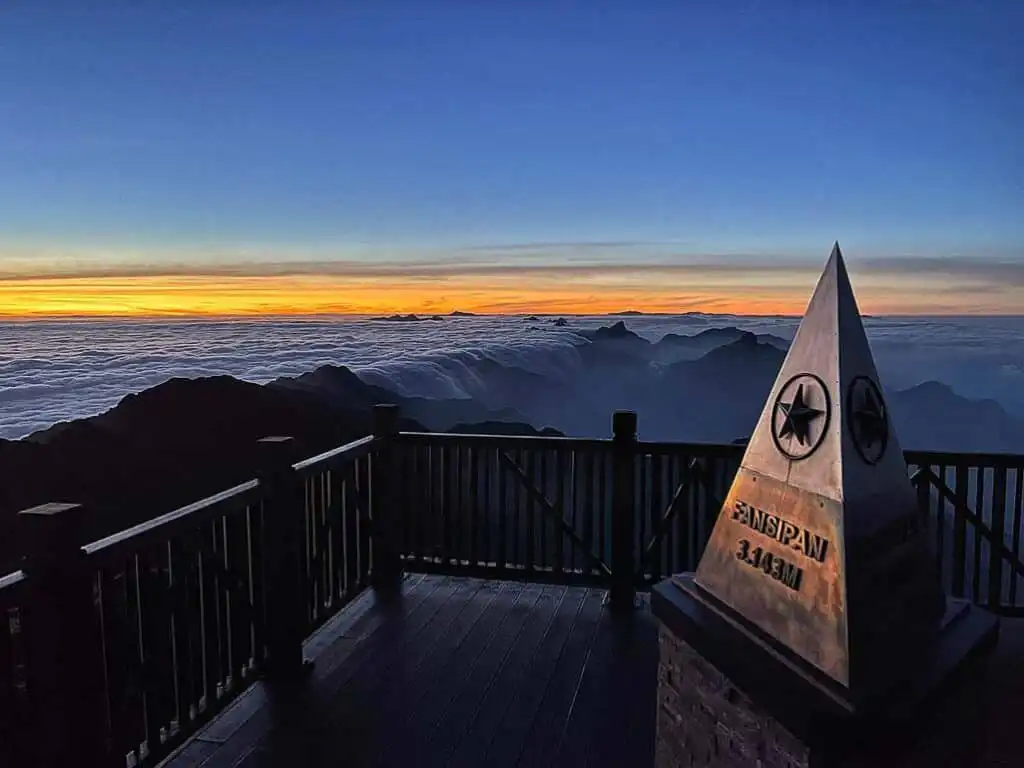
For mountain lovers looking for a challenge on their way through Vietnam, a trek up Fansipan is an option that won’t leave you indifferent.
Vietnam — and Sapa in particular — has plenty of trekking areas, but the climb up Fansipan stands out as one of the most exciting.
You can do it in 2 or 3 days, and we recommend hiring a guide to accompany you — though you can attempt it on your own if you have mountain experience and a companion. Just remember that heading into the mountains alone is never the best idea.
And if trekking isn’t your thing but you’re in Sapa anyway and don’t want to miss the breathtaking views from the summit, you can always take the cable car to the top of Indochina’s highest peak.
6. Ride a motorbike route
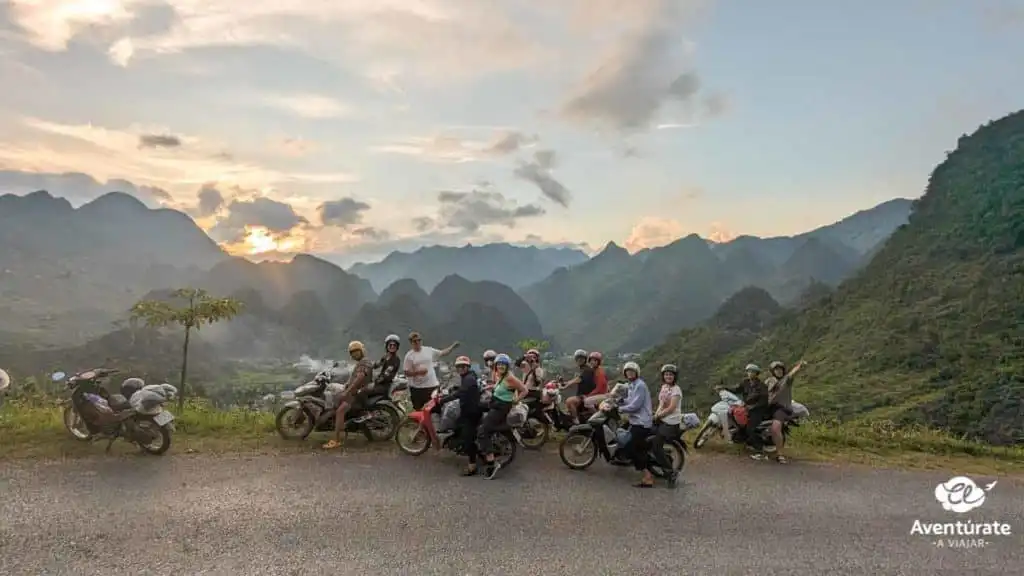
Vietnam is the country of motorbikes — the most popular means of transport among its people, both for its low cost and its practicality.
An estimated 60 million motorbikes are registered across the country, so you can imagine that one of the best ways for any traveler to explore Vietnam is, of course, on two wheels.
A quick tip before you continue
Don’t gamble with your health in Vietnam
A medical surprise far from home gets expensive. We always travel insured with Heymondo: medical cover, 24/7 assistance and protection against setbacks like delays or lost luggage.
Get yours with a 5% discount → · applied automatically through this link
There are numerous routes to ride depending on where you are.
For those in no hurry, riding the whole country from north to south in a little over a month is a once-in-a-lifetime journey. You can rent the bike, or buy one and resell it at the end of the trip.
If you don’t have that much time, multi-day routes like the famous Ha Giang Loop are the perfect introduction to traveling on two wheels.
And if you just want a taste of the experience without committing, you can always take a half-day motorbike tour, available in both Hanoi and Ho Chi Minh City — whichever you choose, you won’t regret it.
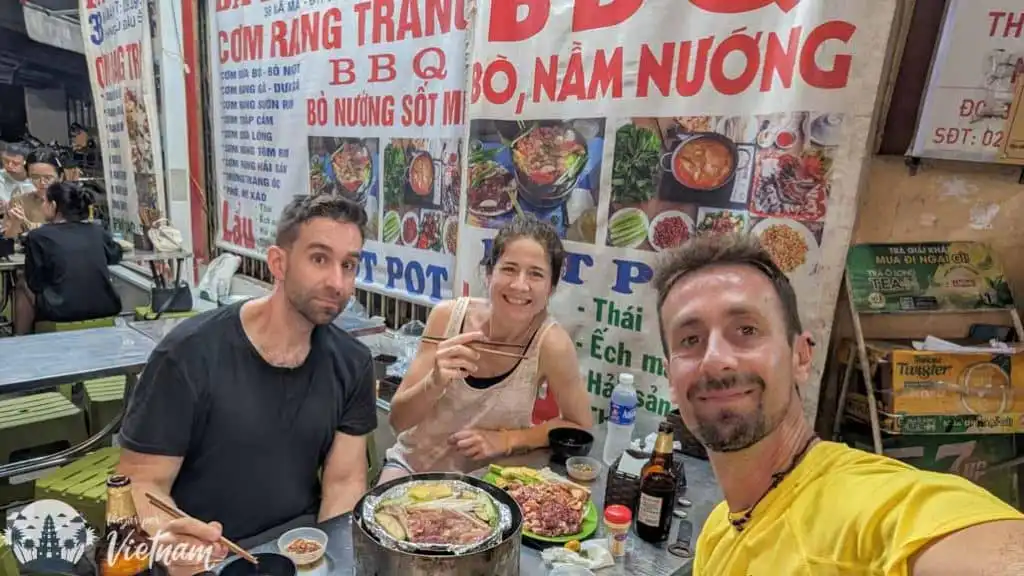
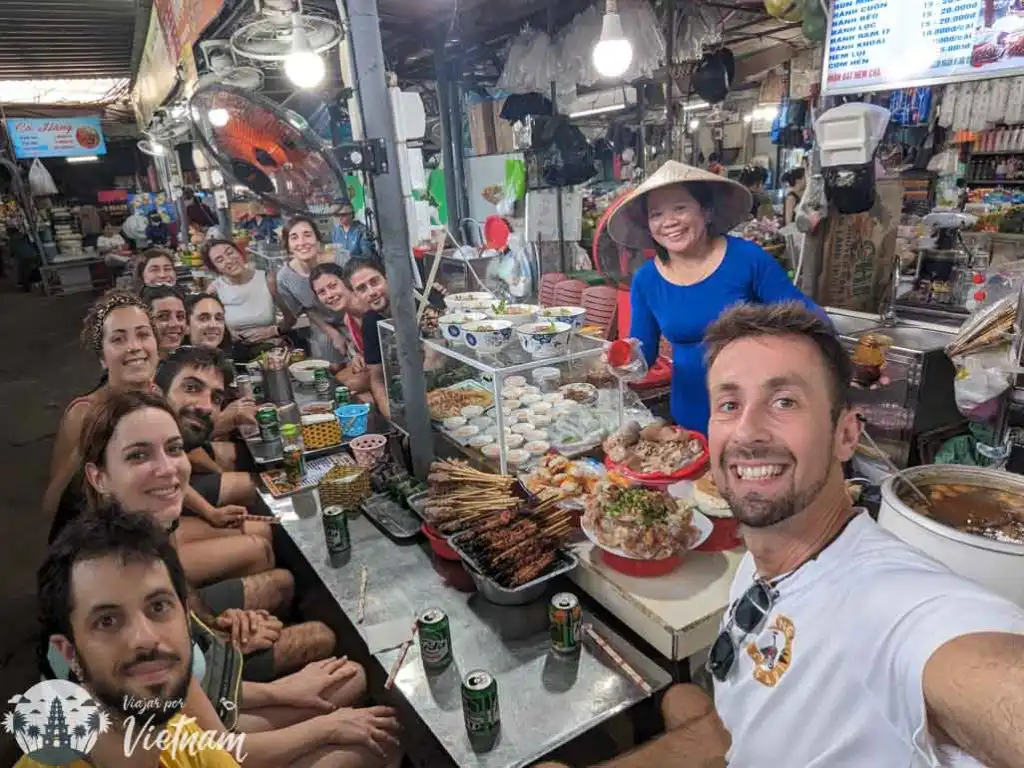
7. Eat until you burst
If food is a big part of why you travel, you’re in luck: Vietnam is a genuine paradise for foodies, and you’re going to enjoy it enormously.
Some classic dishes are common nationwide, but each region (north, center and south) has unique specialties you shouldn’t miss.
In Vietnam you’ll find several kinds of noodles, like Bún (thin noodles) and Phở (flat rice noodles), combined with all manner of meats, fish and vegetables to create dozens of different dishes.
Our essential Vietnamese food picks:
- In the north: Phở Bò (beef noodle soup) and Bún Chả (thin noodles with pork belly and little grilled pork patties)
- In the center: Bún Bò Huế (spicy beef soup) and Cao Lầu (Hội An’s signature noodles)
- In the south: Cơm Tấm (broken rice, usually with pork) and Hủ Tiếu (pork and seafood soup).
And of course, almost everything in Vietnam gets a bath of nước mắm (fish sauce) — practically a religion for the Vietnamese — served alongside a mountain of herbs like cilantro, lemongrass, mint and shiso, which turn Vietnamese cuisine into a feast with every plate.
Finally, don’t forget to try one of the emblems of Vietnamese street food: the Vietnamese sandwich, the Bánh Mì, which you’ll find on every corner in countless combinations. Our favorite is the meatball version, known as Bánh Mì Xíu Mại.
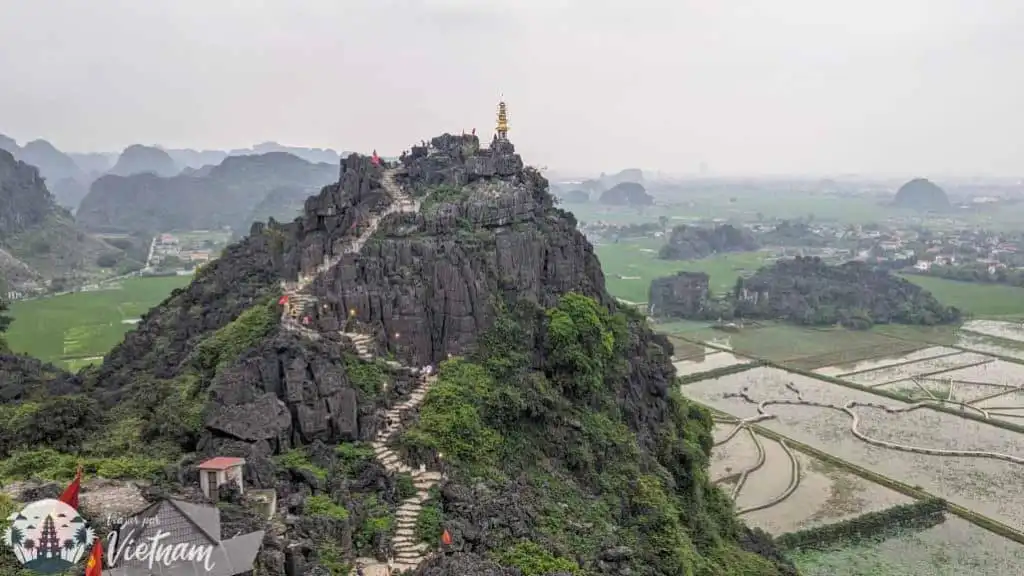
8. Watch the sunset from the top of Mua Cave
On any trip to Vietnam, don’t forget to schedule a stop in Ninh Binh to explore the Tam Coc area and visit, among other places, Mua Cave.
This beautiful spot will test your calves with 15–20 minutes of steep steps to the very top, but we promise the reward is more than worth the effort.
You’ll be treated to one of Vietnam’s most special sunsets, with views over the river, the mountains and the rice fields surrounding Tam Coc — in our book, one of the country’s essential experiences.
We share the full experience in this post.
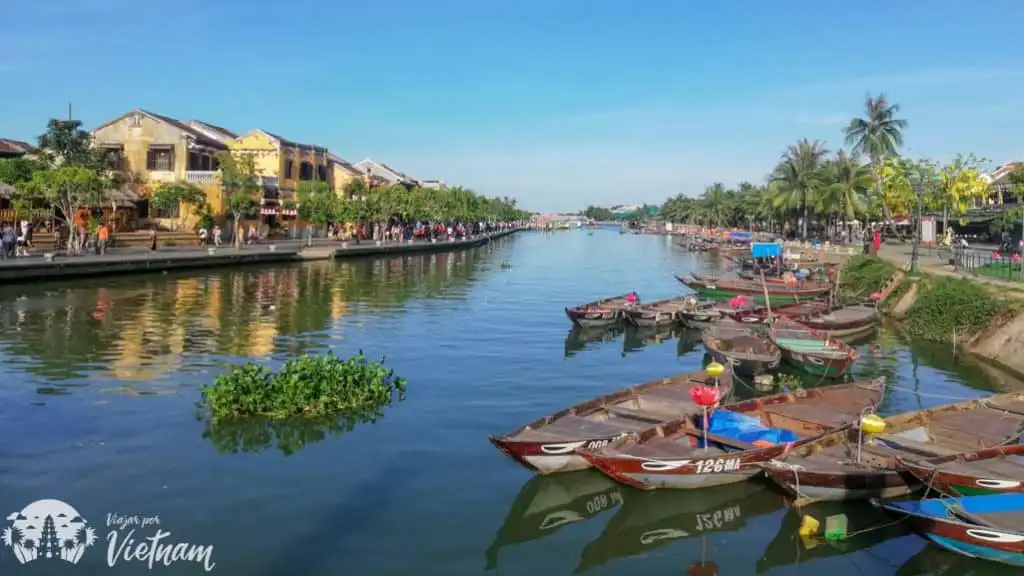
9. Stroll through the old town of Hoi An
Hoi An tends to be the Vietnamese city Western visitors love most.
The calm of its streets, its well-preserved old town and the glow of its lanterns at dusk make it one of the top places to visit on a trip to Vietnam.
The city hits its finest hour as the sun starts to set — the moment we recommend heading to the riverside or the rice fields around town to enjoy a gorgeous sunset.
Walking along the river at night or haggling your way through its lively night market are two more activities we recommend.
Day or night, though, strolling through Hoi An’s old town is a beautiful experience you won’t tire of repeating.
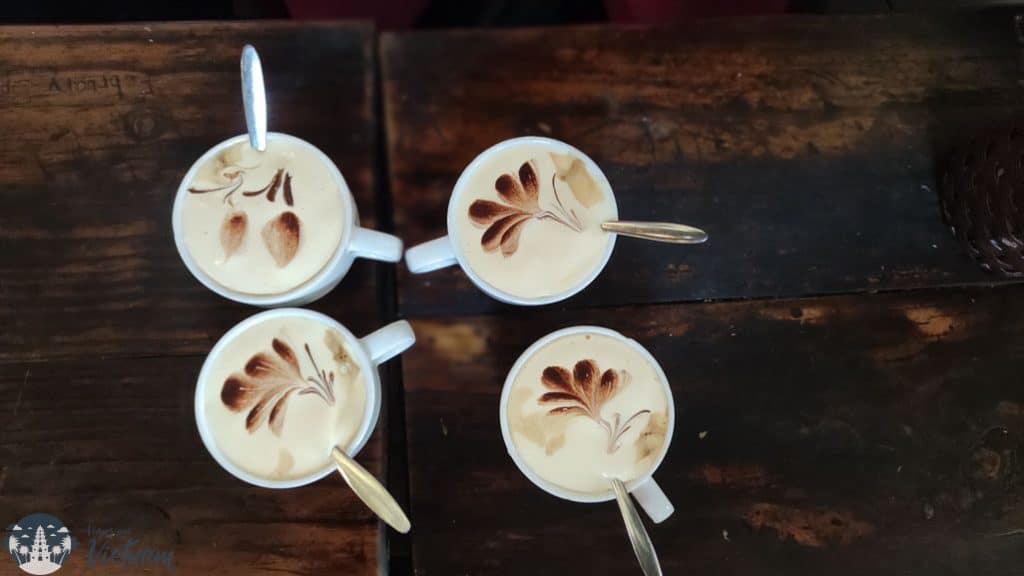
10. Taste the coffee and learn its secrets
Vietnam is the world’s second-largest coffee exporter.
Across the country you’ll find a coffee culture like no other, which makes sampling its different styles one of the best activities of any stay.
Simply sitting in any café, watching daily life roll by while you sip an authentic Vietnamese coffee, is part of the charm of traveling through Vietnam.
Among the most curious and delicious specialties are cà phê trứng (egg coffee), cà phê sữa chua (yogurt coffee), and our favorite: cà phê cốt dừa (coconut coffee). Each has its own surprising flavor, so we recommend trying them all.
You can learn more about them and where to try them in this post.
If you have time — or you’re a true coffee devotee — we recommend visiting Da Lat, one of the best places to visit in Vietnam, up in the country’s Central Highlands.
Most of Vietnam’s coffee is grown here, and among other things you can visit coffee farms like Son Pacamara to learn how to brew the perfect cup to lift your spirits every morning.
11. Take a Vietnamese cooking class
Whether you’re handy in the kitchen or cooking is a great mystery to you, one of the best activities in Vietnam is joining a Vietnamese cooking class.
You’ve surely heard that we are what we eat — and what better way to dive into something as intimate as a country’s cuisine to understand its secrets more deeply.
You can do this in almost any city in the country, though classes are especially popular in places like Hoi An.
For us, a cooking class is something special — completely different from the usual sightseeing and an excellent use of your time in the country.
Almost every class includes a visit to a local market — one of the best windows into everyday life and a chance to connect with the locals. These activities are also a great opportunity to meet other travelers, so if you’re traveling solo, it’s an excellent way to make new friends.
All of that on top of learning Vietnamese cooking — and finishing by eating your own creations.
Up for the challenge?
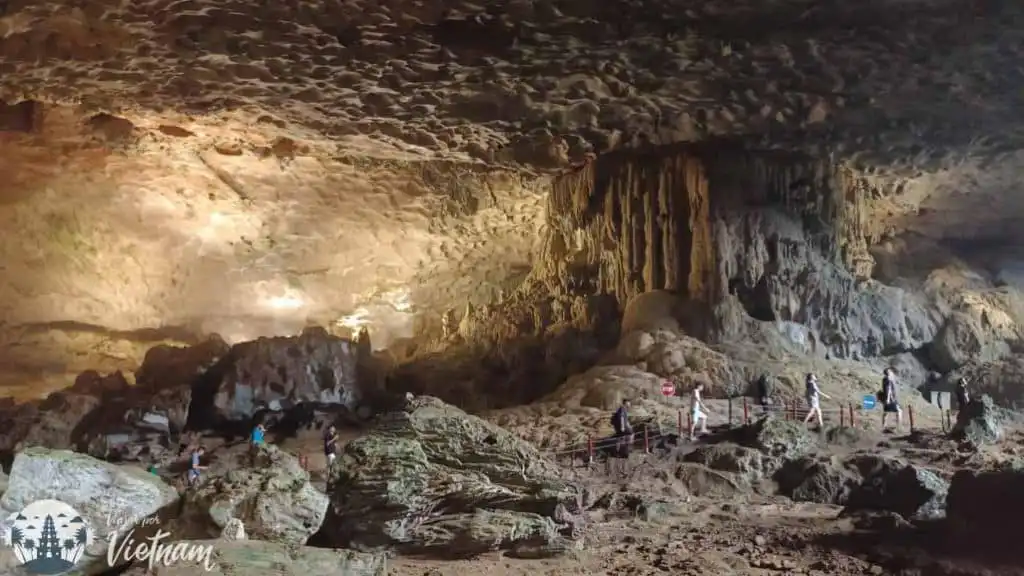
12. Venture into one of its caves
Vietnam is a country bursting with karst landscapes at every turn.
That has made it home to some of the most impressive caves in the world — a delight for any lover of nature and adventure.
You’ll find interesting caves to explore in almost every corner of Vietnam, from Lung Khuy Cave in Ha Giang to the famous Sung Sot Cave in Ha Long Bay, by way of Mua Cave in Ninh Binh.
But if you crave stronger emotions and real adventure, head to Phong Nha, in Quang Binh province, central Vietnam.
This is home to Phong Nha-Ke Bang national park, which shelters — among others — the famous Son Doong Cave, considered the largest cave in the world.
For those who prefer something more accessible, there are many other incredible caves to see in the area, like Elephant Cave, Dark Cave or Phong Nha Cave itself, famous for its impressive stalactites and stalagmites.
You’ll also find plenty of multi-day expeditions where you can even camp inside the caves. Mind-blowing, right?
13. Learn about its history
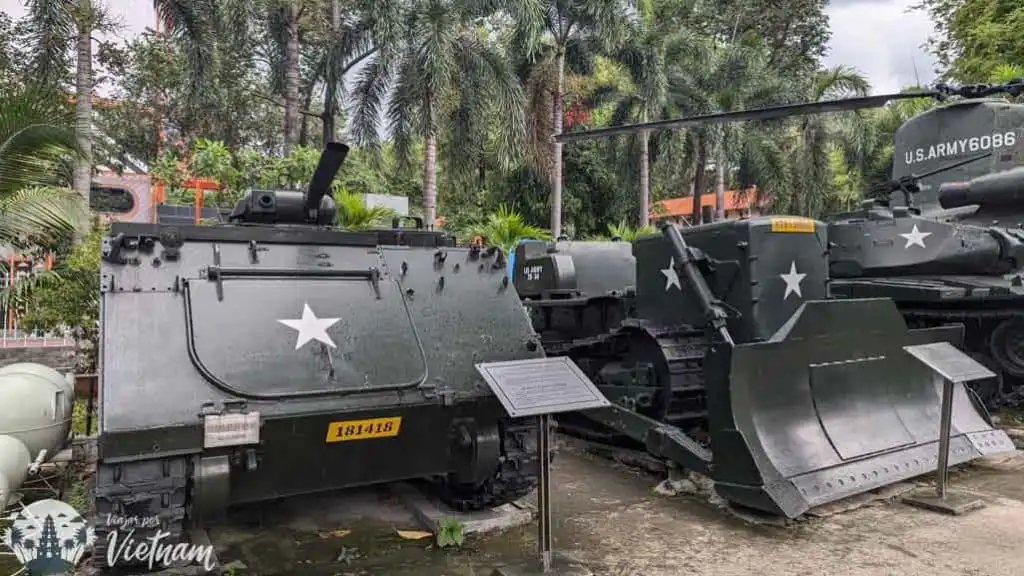
Vietnam is a country with a largely tragic past, marked by wars and hardships that over the last two centuries have shaped much of the culture you’ll see today.
On a visit to Vietnam you can’t help but take an interest in the country’s history and marvel at the Vietnamese people’s capacity to adapt and overcome at every turn — today a modern country growing at an astonishing pace, despite having had so few years to recover.
Its streets are full of historical landmarks where you can remember and learn, such as the military history museum, Hoa Lo prison or the Ho Chi Minh Mausoleum.
Propaganda aside, there’s a great deal to discover — much of it you probably never knew — about the culture and history of this fascinating country.
14. Ride the Reunification Railway
Few things have connected places and people better than the train.
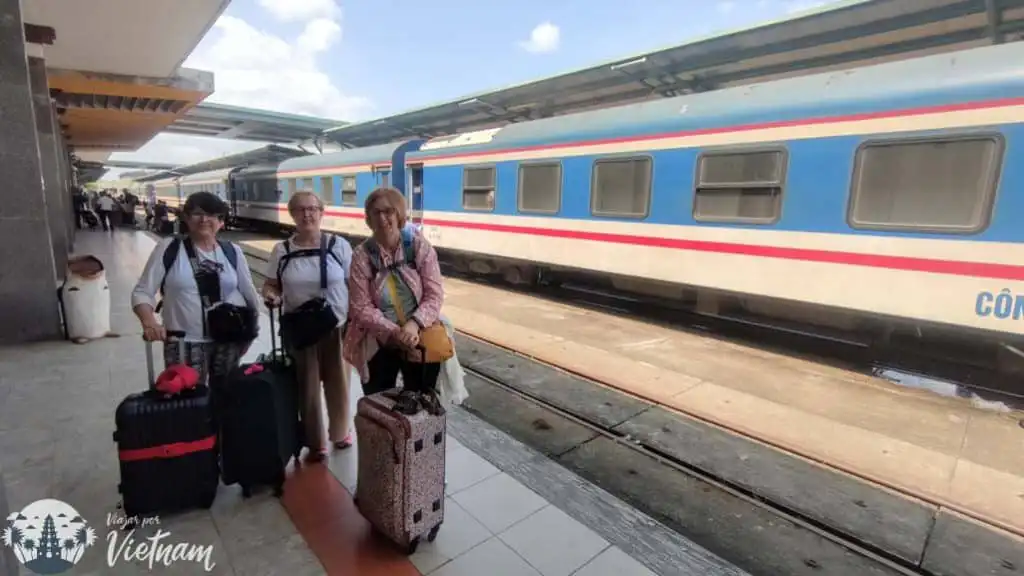
In Vietnam, that connection between the country’s regions is embodied by the so-called “Reunification Railway”, which links the capital, Hanoi, in the north with Ho Chi Minh City (the old Saigon) in the south.
The line, covering roughly 1,730 kilometers, was originally built during the French colonial period, but took its current name after the country’s reunification in 1976, following the Vietnam War.
Taking the train is one of the best ways to get to know Vietnam. You obviously don’t need to ride the entire line north to south — there are shorter, rewarding stretches like Ninh Binh to Hue or Hanoi to Sapa.
Vietnamese trains have comfortable sleeper compartments where, besides watching the scenery, you can meet people and savor the slow, wistful kind of travel that only a train window provides.
15. Take a dip at its beaches
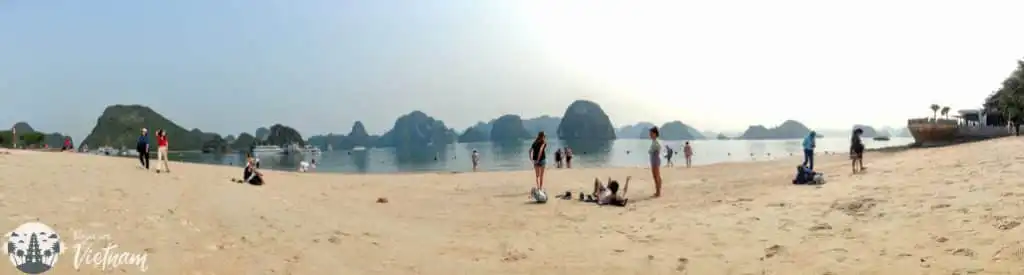
We have to admit that Vietnam’s beaches aren’t the best in Southeast Asia, especially if you’ve been to the Philippines or Indonesia.
Still, they remind us a lot of Mediterranean beaches, and they’re more than enough for a rest from the heat of the trip and a good swim.
Vietnam’s main beach destinations include Nha Trang, Hoi An, Da Nang, the Cham Islands and Phu Quoc, generally offering golden sand and fairly calm waters — perfect for a morning or a full day of complete relaxation on your vacation.
Here’s our post on the best beaches in Hoi An, which will probably be the handiest ones during your stay.
16. Visit a local market
Markets tend to be one of the most striking experiences for the first-time visitor.
The intense mix of smells, the crush of people and the generally loose approach to hygiene can surprise — even put off — Western visitors used to strict standards and regulations back home.
For us, however, diving into these markets is an essential part of any trip to Vietnam: they’re part of the country’s culture and way of life, something better observed than judged.
You’ll find fresh markets in every Vietnamese city, though the best known are probably the floating markets of the Mekong Delta, where vegetables, meat, fruit and fish arrive by boat, forming a colorful, bustling market during the first hours of daylight — well worth the early alarm to witness.
17. Cycle through the rice paddies
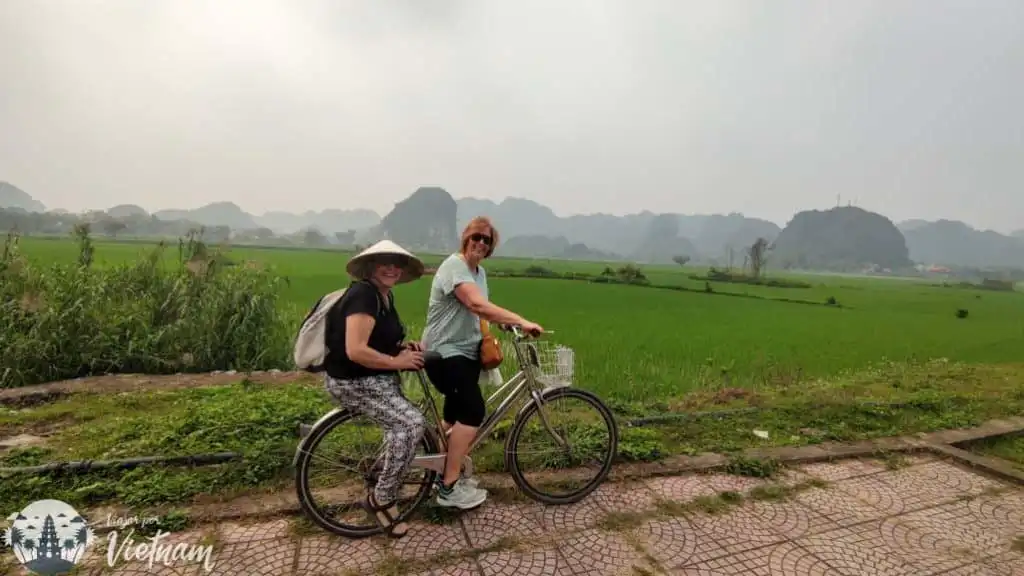
Another of Vietnam’s main attractions is its rice paddies — and in our view, the best way to explore them is usually by bicycle.
Losing yourself for a while among Vietnam’s rice fields will take you into the country’s most rural, humble corners — to say nothing of the spectacular scenery, all green, buffalo and water wherever you look.
You’ll find paddies to cycle through in many parts of Vietnam, though areas like Ninh Binh, Mai Chau, Pu Luong, the countryside around Hoi An and the Mekong Delta are the most popular among travelers.
As for the best time to see them, it’s unquestionably during the harvest, which varies by region:
- In Vietnam’s warmest areas, like the Mekong Delta, it usually happens three times a year (February–March, June–July and October–November).
- In the center and north, such as Hoi An and Ninh Binh, the harvest generally comes twice a year (May–June and September–October).
- In cold areas like Sapa, a different variety known as mountain rice is grown, with just one harvest a year (September).
If you get the chance — or your travel dates happen to line up with one of these — don’t miss a bike ride through the paddies to marvel at their beauty.
18. Soak up its pagodas and temples
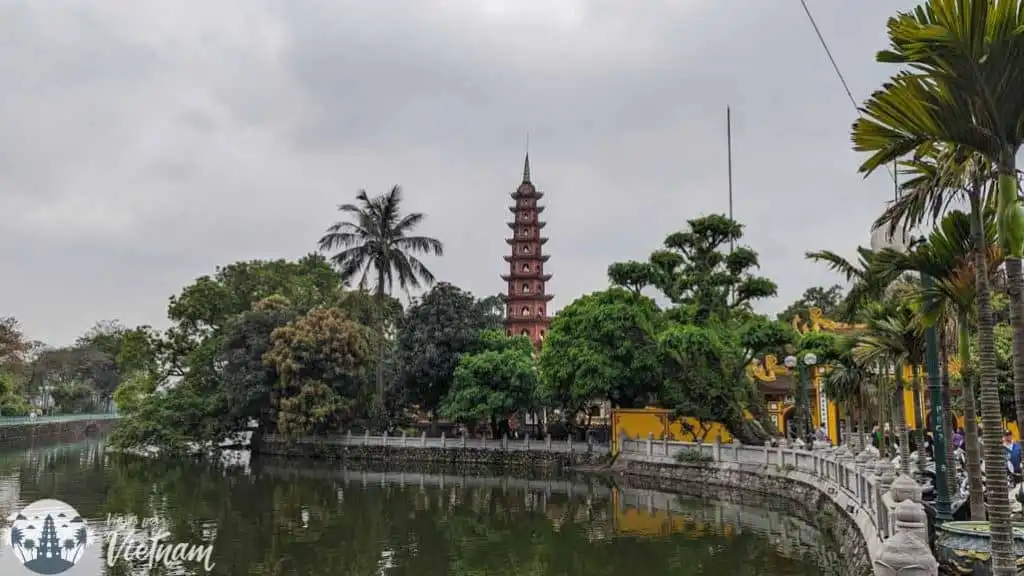
Vietnam has no official religion today, yet the country hosts a rich landscape of worship. Buddhism is the most widely practiced faith, blended with ancestor worship and Confucianism to create a fascinating spiritual panorama.
Many people in Vietnam practice ancestor worship, which essentially means honoring deceased relatives at the small shrines you’ll see in homes, where food, incense and prayers are offered so the spirits are “fed” in the beyond. It keeps harmony between the living and the dead — a core value in Vietnamese culture, where ancestors are commonly believed to live on, benefit from these offerings, and grant protection and blessings in return.
The Vietnamese are also generally spiritual and superstitious, with a firm belief in spirits — still visible today in figures like fortune tellers, whom many people continue to consult for major life events such as weddings or business decisions.
On your way through Vietnam you’ll have the chance to visit countless pagodas and temples, like the ancient Thien Mu Pagoda in Hue or the One Pillar Pagoda in Hanoi — examples of the country’s deep connection to Buddhism. Others, like the Temple of Literature in Hanoi, testify to Vietnam’s long tradition of learning and its devotion to Confucianism.
Visiting these places pulls you straight into the spiritual atmosphere that shapes the country’s identity — which makes them must-see stops on any trip to Vietnam.
19. Get a Vietnamese massage
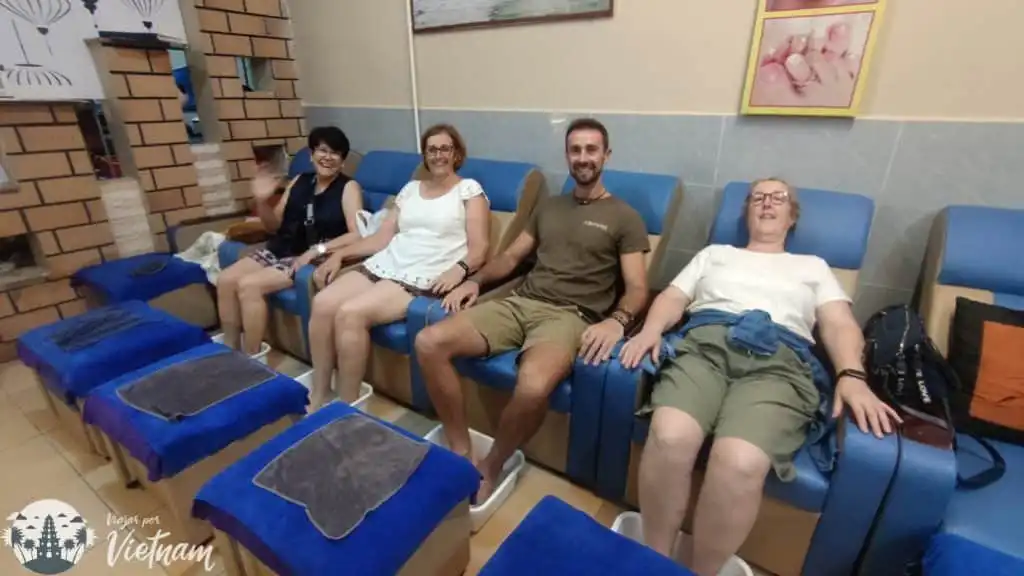
If you like to treat your body after a long day of sightseeing, you’re in the right country: Vietnam is a true paradise for massages.
Vietnamese massage combines acupressure and deep-tissue techniques, focusing on stimulating pressure points across the body — and unlike other styles such as Thai massage (which for us borders on a beating), it’s far more relaxing.
You’ll find massage parlors on every corner in Vietnam, offering everything from foot massages to full-body treatments in a range of techniques. Prices usually run around 300,000–350,000 VND (~US$12–13.50) for a full-body massage (1 hour) and 100,000–150,000 VND (~US$4–6) for a foot massage (30 minutes), depending on the shop you choose. A small tip for the therapist is customary at the end.
Whatever type you go for, you’ll walk out of the session renewed and ready to continue your adventure through this fascinating country.
20. Sit down at a Bia Hoi and try the local draft beer
Enjoying a beer at a Bia Hoi is one of those essential experiences you can’t miss in Vietnam if you want to dive into its authentic local culture.
A Bia Hoi is a type of street bar — found mainly in Hanoi — serving a fresh, light, low-alcohol beer brewed daily.
It’s poured straight from the keg, which gives it an even fresher, more natural touch.
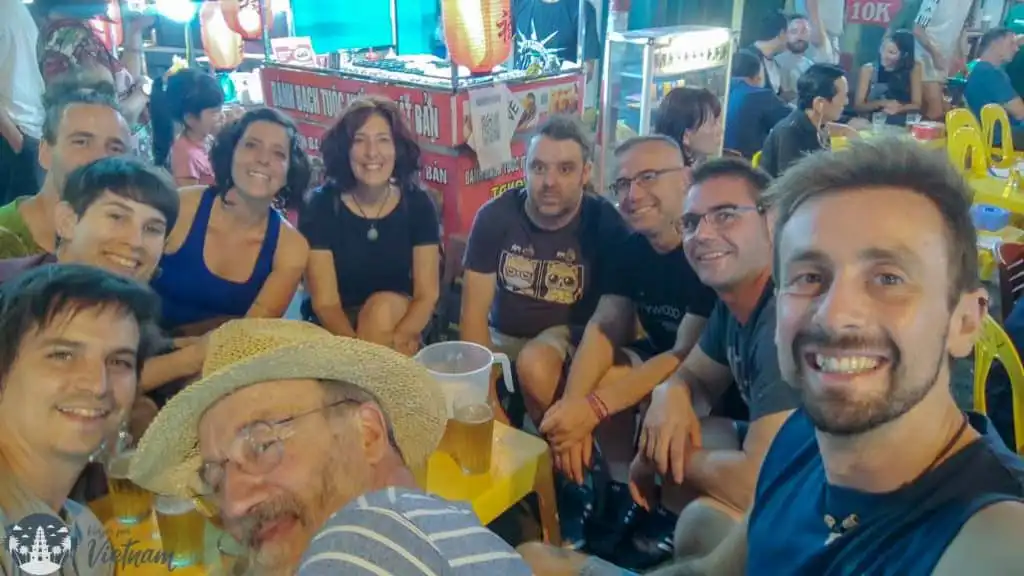
But what we love most about the Bia Hoi is its particular atmosphere: low plastic tables and stools where locals and travelers alike enjoy beer at a ridiculously low price — around 5,000–10,000 VND (about US$0.30).
You can usually order snacks to go with your beer too — peanuts, spring rolls or chicken wings.
Bia Hois are among Vietnam’s best social gathering spots, where you can hang out with friends — or make new ones — while watching street life bustle by as the sun sets over the city.
We hope you enjoyed our selection of things to do in Vietnam — remember you can keep exploring every corner of the country with our Vietnam travel guides here.
What to see in Vietnam in 15 days
Here’s an optimized 15-day Vietnam itinerary so you know how to fit these and many more activities into a single trip.
We’ve split it into two versions — one for classic travelers and one for backpackers — to help you choose according to your travel style.
You can read the full post at this link.