
If you’re planning a trip to Vietnam, the first thing you’ve asked yourself is when to go. And it’s a fair question, because the country’s climate changes so much from one region to another that the short answer you’ve read in other guides is almost always incomplete.
Most websites will tell you the best time to visit Vietnam is March or April. They’re not wrong — but they’re not telling you the whole story either. The way we see it, there’s no bad time to travel to Vietnam: there are bad region-season combinations. And that’s exactly the difference that will make or break your trip.
In this guide we explain how to read Vietnam’s climate by region, what happens month by month in each part of the country and, above all, how to adapt your route to the dates you already have. If your flight is already booked, this guide works for you. If you’re still choosing, it does too.
We live part of the year in Vietnam (in the Saigon area) and have traveled the country in practically every season. We’ve seen it in sun and in rain, lived through flight cancellations caused by typhoons, enjoyed perfect September mornings and impeccable August sunsets. Everything you’ll find here we’ve experienced and verified ourselves — not copied from other guides.
Let’s start with the short answer, for those who just want the conclusion.
In this post
Quick summary: when is the best time to visit Vietnam?
If you only want the takeaway so you can get back to planning your trip, here are the essentials. The rest of the article is for when this list doesn’t fit your dates.
- Best overall window: March–May. Balanced weather across all three regions of the country.
- North (Hanoi, Sapa, Ha Giang, Ha Long Bay, Ninh Binh): February–June. Careful: in Sapa and Ha Giang, December and January can be very cold.
- Center (Hue, Hoi An, Da Nang): January–August.
- South and beaches (Ho Chi Minh City, Mekong, Phu Quoc): December–April.
- If your dates are different: don’t cancel. Any month works if you pick the right region. We explain how below.
One caveat, though: this summary comes with a catch. Travel in March or April and you’ll coincide with the bulk of international tourism — prices rise and the most popular places fill up. That’s why the rest is worth reading: sometimes the best time for your trip isn’t the best time for Vietnam in general.
How to plan your trip to Vietnam around your dates
Everyone arrives here with a different question, so let’s separate them. See which of these three situations is yours and jump straight to what interests you.
If your dates are fixed and you can’t change them
Good news: any month works if we choose the right part of the country. Jump straight to Adapt your route to your dates, where we lay out concrete routes depending on the month you’re traveling. The rest of the article will serve as context afterwards.
If you’re flexible and want the best combination
Start with Best time by region, continue with Vietnam month by month and finish with When it’s cheapest. Spoiler: the most balanced window for almost the whole country is March–May. That said, at peak (March–April) prices climb and the most popular activities fill up.
If you just want to understand Vietnam’s climate
Vietnam packs three distinct climates into a single trip — and understanding that idea is what will make everything else easy.
Vietnam’s climate: North, Center and South
Vietnam is extremely long. That’s why the climate changes so dramatically from one region to another: on the same day you can find 12 °C (54 °F) with thick fog in Sapa and 33 °C (91 °F) of dry heat in Saigon. Talking about “Vietnam’s climate” in the singular almost always leads to confusion.
For a useful answer, the country divides into three big climate zones: north, center and south. Each runs on its own calendar.
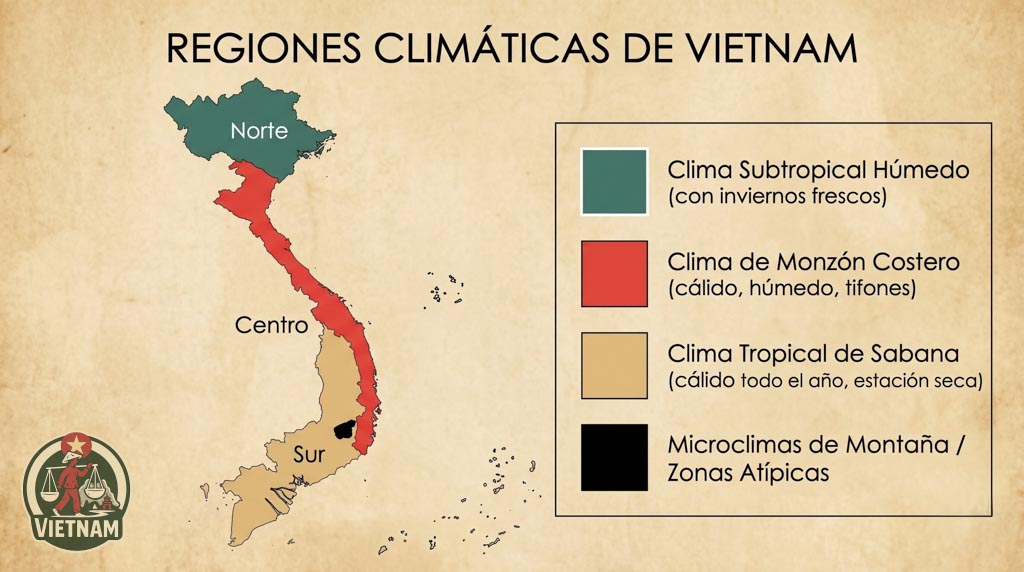
North: distinct seasons
This is the region with the most European-like climate. It has a cool-to-cold winter (November–March) and a hot, humid summer (May–October), with short springs and autumns in between.
In Hanoi, winter drops to 6–17 °C (43–63 °F) and summer climbs to 35 °C (95 °F) with high humidity. Careful: at altitude, in places like Sapa or Ha Giang, things change — the December–January cold is real, with temperatures that can dip below 5 °C (41 °F) and thick fog that swallows the views.
Summer in the north brings one more factor: typhoons. They arrive between late August and October and occasionally cancel cruises in Ha Long Bay. We cover this in detail further down.
Center: the opposite calendar to the north
The center works almost in reverse. Here the good stretch runs from January to August: mild temperatures early in the year, heat building through July–August, and little rain.
From September onward it gets complicated. October and November are the rainiest months of the year in Hoi An and Hue, with occasional floods that can close streets in the old town. It doesn’t happen every year — but it happens.
Typhoons arrive on the same dates as in the north of the country.
South: warm all year round
The south is the most climatically comfortable region. It’s hot all twelve months of the year, with average temperatures between 25 and 33 °C (77–91 °F), and splits into two seasons: dry (December–April) and monsoon (May–October). The monsoon season isn’t what many people imagine — more on that later.
When to travel to Vietnam by climate region
With the general framework clear, let’s get into the detail of each region. For each one we give you the most recommended window, the months that also work with caveats, and the ones best avoided.
Best time for the north (Hanoi, Sapa, Ha Giang, Ha Long Bay, Ninh Binh)
The most balanced window is February–June. Sapa and Ha Giang are no longer freezing, days are dry and long, and the first rice harvest in Tam Coc falls right at the end of this window (May–June); the second arrives in September. If Ha Giang is your priority, see our complete guide to the Loop.
November also works very well for Hanoi and Ha Long Bay — though in Sapa and Ha Giang, November already marks the start of the high-altitude cold.
Genuinely worth avoiding: December–January in the mountainous north (the cold in Sapa and Ha Giang is real, and the thick fog eats the views).
In July–August, monsoon rains leave Sapa’s trekking trails muddy and the Ha Giang Loop with rainy days, but neither is unfeasible — just less comfortable. If your dates fall there, go prepared and build in some slack.
We were in Sapa in the middle of December. We’d read about the cold but didn’t take it too seriously, and we got thick fog for all three days. It had its mystical touch, sure, but the humidity made the cold bite even harder. We rode the Fansipan cable car hoping to see something from the top and, literally, there was nothing to see. We still enjoyed the stay, but December is perhaps not Sapa’s finest hour.
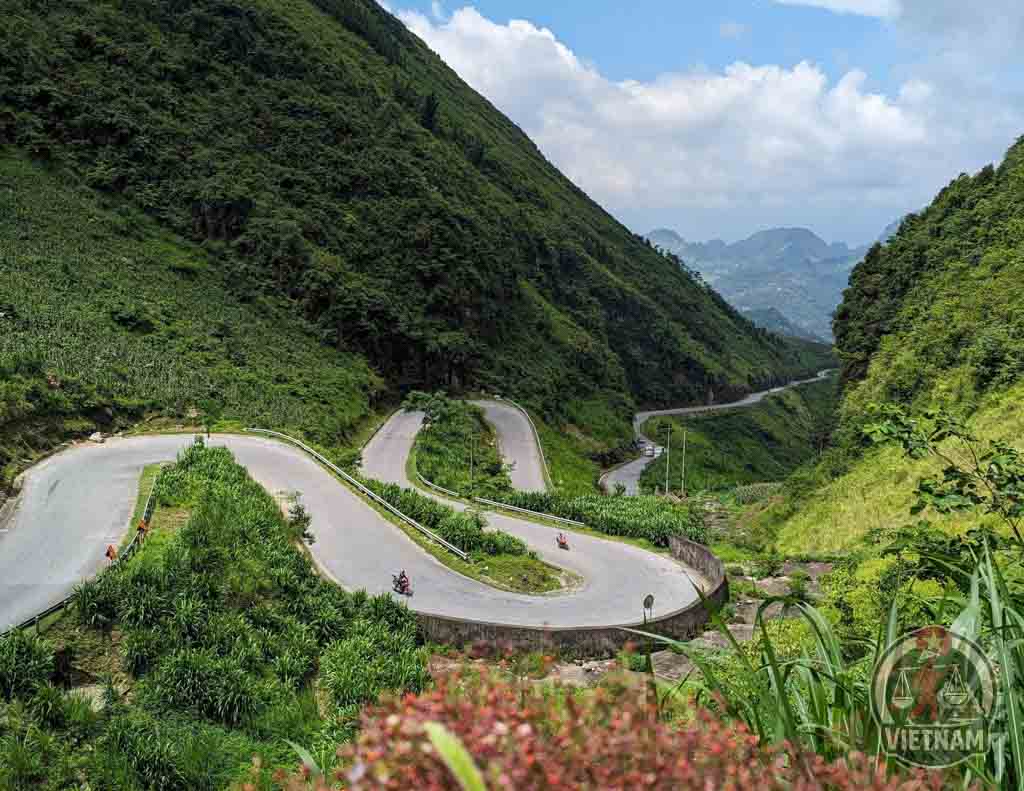
Best time for the center (Hue, Hoi An, Da Nang, Phong Nha)
The center works very well from January to August. January–March is cooler and pleasant for walking the old towns of Hoi An and Hue; April–August brings rising heat, but the area’s beaches (Da Nang, An Bang) are in full swing.
From September onward it gets complicated. October and November are the center’s rainiest months, with a risk of occasional flooding in Hoi An (not every year, but it happens).
There is, however, an interesting nuance in the center: Phong Nha. Its caves can be visited even in the rain (they’re the attraction, not the weather outside), so the center’s tricky season affects it less than Hoi An or Hue — though double-check before booking any activity, as some caves do flood.
Best time for the south (Ho Chi Minh City, Mekong, Phu Quoc)
The south is at its best between December and April. It barely rains, temperatures are high but not stifling, and the sea is calm. It’s the ideal window for combining Ho Chi Minh City, the Mekong and the beach.
From May to October the monsoon arrives, but the rain doesn’t stop the trip (we expand on this in Typhoons, monsoon and what happens if it rains). For city and cultural visits it works perfectly well; for beach time, that’s where the nuance appears.
Phu Quoc is the exception. The island gets more rain than the mainland south and, above all, the sea gets rough between July and September. If beach time is your thing, avoid those months; go at any other time and you’ll find Phu Quoc in fine form.
Microclimates that break the rule
A couple of places in Vietnam don’t quite fit the map above, and they’re worth knowing about — they might be exactly the solution to a tricky date.
Da Lat — mild all year round. At 1,500 meters of altitude, it holds an average of 17–25 °C (63–77 °F) throughout the year. It’s our refuge when Saigon turns up the heat in March–April or when the southern summer becomes unbearable in July–August. If you’re traveling south at the height of summer, giving it two or three days fixes a good chunk of the trip.
Sapa — winter hits harder. Although it’s in the north, its altitude (1,600 m) gives it a microclimate of its own: when Hanoi sits at 14 °C, Sapa can be at 2 °C with thick fog. Its best face shows in March–June and September — not October–November like the rest of the coastal north.
Phu Quoc — out of sync with the mainland south. The monsoon arrives earlier and leaves later. While Saigon still enjoys reasonable days in late May, the sea around Phu Quoc has already turned rough.
Phong Nha — rain hurts it less. Its attractions are underground, so the center’s rainy season affects it less than Hoi An or Hue. Note: it does get chilly in winter.
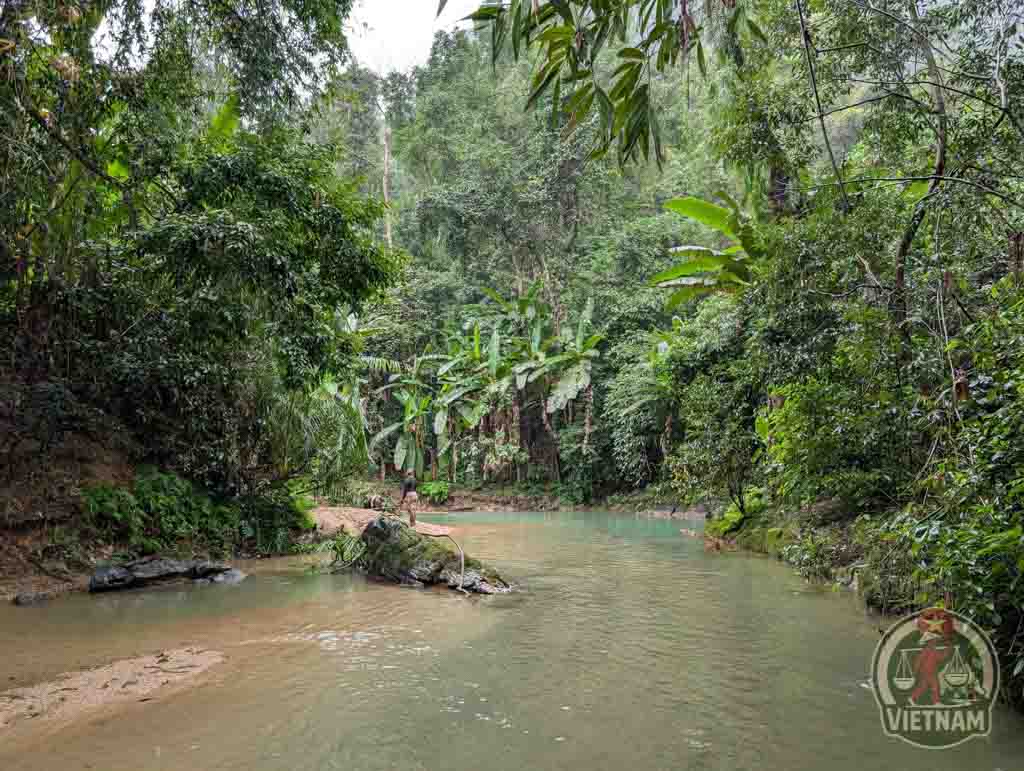
The best time to visit Vietnam’s main destinations
If you arrive with a destination already in mind, this table sums up the calendar for Vietnam’s main places. We dig into every nuance later; this is for a quick look.
| Destination | Best time | Notes |
|---|---|---|
| Hanoi | October–April | Cool but manageable winter. |
| Ha Long Bay | November–April | Occasional typhoons (1–2 days) between late August and October; book cruises with free cancellation |
| Sapa | March–June and late August–early September | High-altitude microclimate, doesn’t follow the rest of the north. Rice harvest (one a year) in late August–early September |
| Ha Giang | March–June and September–November | The motorbike Loop is the main draw. In November the tam giác mạch (buckwheat) blooms and the landscape fills with white and pink flowers |
| Ninh Binh | February–June and September | Two rice harvests a year |
| Hue | January–August | Follows the center’s general climate |
| Hoi An | January–August | Possible occasional flooding in October–November |
| Da Nang | January–August | Follows the center’s general climate |
| Da Lat | All year | Mild (17–25 °C) all twelve months |
| Phong Nha | January–August | Most caves can be visited even in the rain. Winter (January–February) is chilly |
| Cat Ba | November–April | Less crowded alternative to Halong; occasional typhoons (1–2 days) between late August and October |
| Mai Chau | February–June and September | A less touristy alternative to Sapa, with fewer transport hours and workable weather almost all year. |
| Mekong Delta | All year | December–April for minimal rain |
| Phu Quoc | November–April | Different monsoon pattern from the mainland south |
| Ho Chi Minh City | All year | During the monsoon, short mid-afternoon downpours |
| Con Dao | December–April | Similar climate to Phu Quoc, more remote |
Vietnam — climate month by month
If what you want is to see what’s happening in each part of the country in a specific month, this is your section. We’ve written each month north to south so you can see how it fits your dates.
Vietnam in January
Deep winter in the north and peak tourism in the south. Hanoi sits at 6–17 °C with gray days. Sapa drops to 2–5 °C with thick fog — if you go, don’t expect to see much. Ha Long Bay is typhoon-free, but the skies tend to be flat and sunrises don’t shine.
The center works very well: Hoi An is cool and dry, perfect for walking the old town. The south is in full swing — daily sunshine in Saigon and excellent conditions in Phu Quoc.
That said, it’s high season thanks to Christmas and the international New Year: hotel and flight prices rise, and sometimes Tet falls here too (when it lands in January, the country grinds to a halt).
Vietnam in February
The north starts improving. Hanoi warms up a little; Sapa is still cold early in the month but becomes viable for trekking from mid-month on. The center hits its best moment of the year: cool, dry and nearly free of international tourism. The south remains ideal.
February is the month of Tet most years. Travel during those 7–10 days and you’ll notice everything: shops closed, transport saturated, hotels full. Book months ahead or adjust your dates.
Vietnam in March
The legendary month. Balanced weather across the country, long dry days, comfortable temperatures in all three regions. It’s the best time for a full north-center-south route. Sapa and Ha Giang are ready for the Loop, and Ha Long Bay’s cruises are in full operation.
In exchange, it’s absolute high season. Prices climb, cruises fill up, and popular accommodation should be booked in advance.
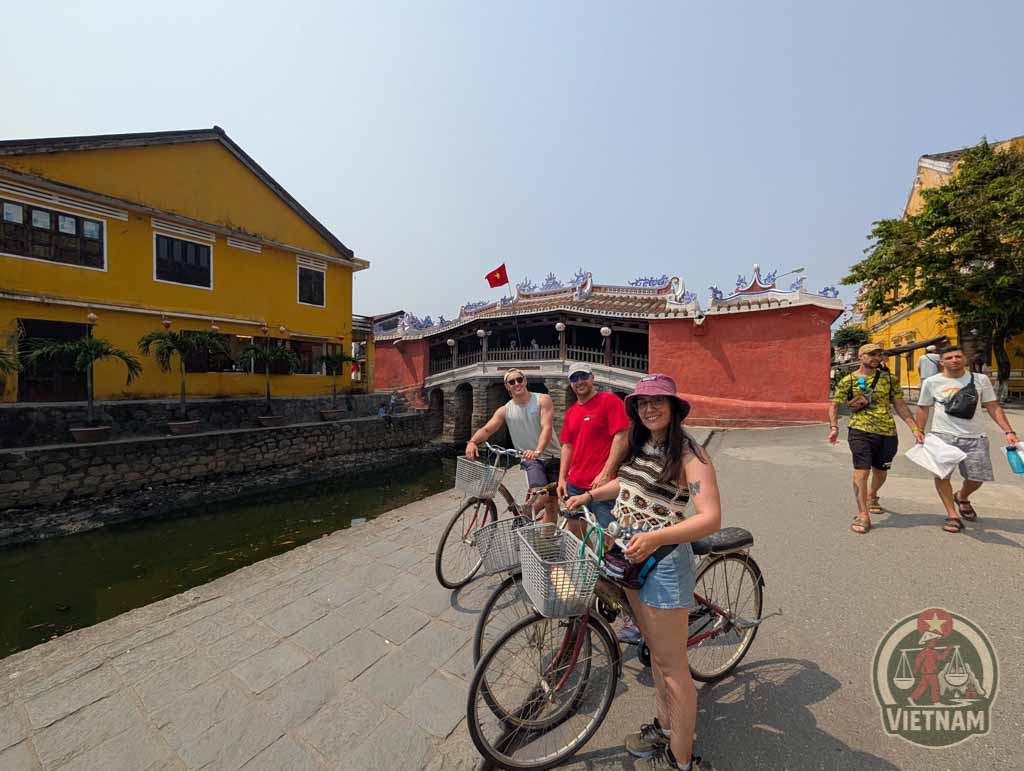
Vietnam in April
Just as good as March, with rising heat. The north remains ideal, the center enters its best beach window, and Saigon climbs to 32–35 °C. Before you set off, check the calendar around April 30: it’s a national holiday (Reunification Day) and, together with May 1, forms a Vietnamese golden week with heavy domestic tourism, especially in beach destinations.
Vietnam in May
A transitional month. The monsoon showers begin in the south (short, intense, almost always in the afternoon). The north still works very well, and Tam Coc sees the first rice harvest: the fields shift from bright green to gold between May and June. It’s one of the best months for photography in Ninh Binh.
One more thing: in Sapa and Ha Giang the first rains start muddying the trails, and trekking gets less comfortable.
Vietnam in June
Full summer. High heat and humidity in the north and south. The center keeps working surprisingly well (Hoi An, Da Nang, beaches in full season). In Sapa and Ha Giang the rains grow more frequent.
Vietnam in July
The hottest month of the year in most of the country. Hanoi flirts with 35 °C and heavy humidity; Saigon has the monsoon underway, but the showers stay short. The center is relatively the most comfortable zone: Da Nang and Hoi An get sun and high but bearable temperatures when the sea is close by. It’s also the peak month for European travelers, thanks to summer vacations.
Phu Quoc starts getting complicated, with rough seas and more persistent rain. If your dates fall in July, move your beach time to the center or head up to Da Lat (mild all year).
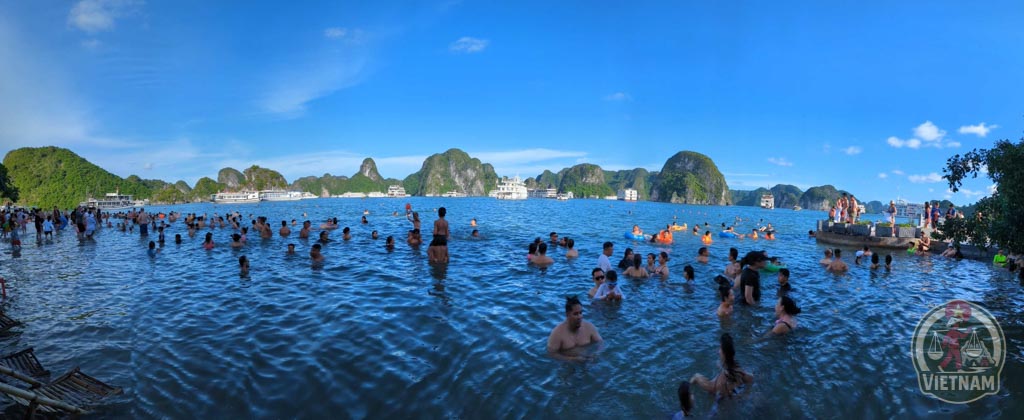
Vietnam in August
Like July, with one new detail: toward the end of the month, typhoons begin on the northern coast. Halong may see occasional cancellations (1–2 days per month). In Sapa and Ha Giang the rains continue, but the terraces are at their most spectacular green just before the harvest.
The center remains the most stable. The south is in full monsoon, but with long days and clean sunsets between showers.
Vietnam in September
A delicate month — but with two unique photography prizes.
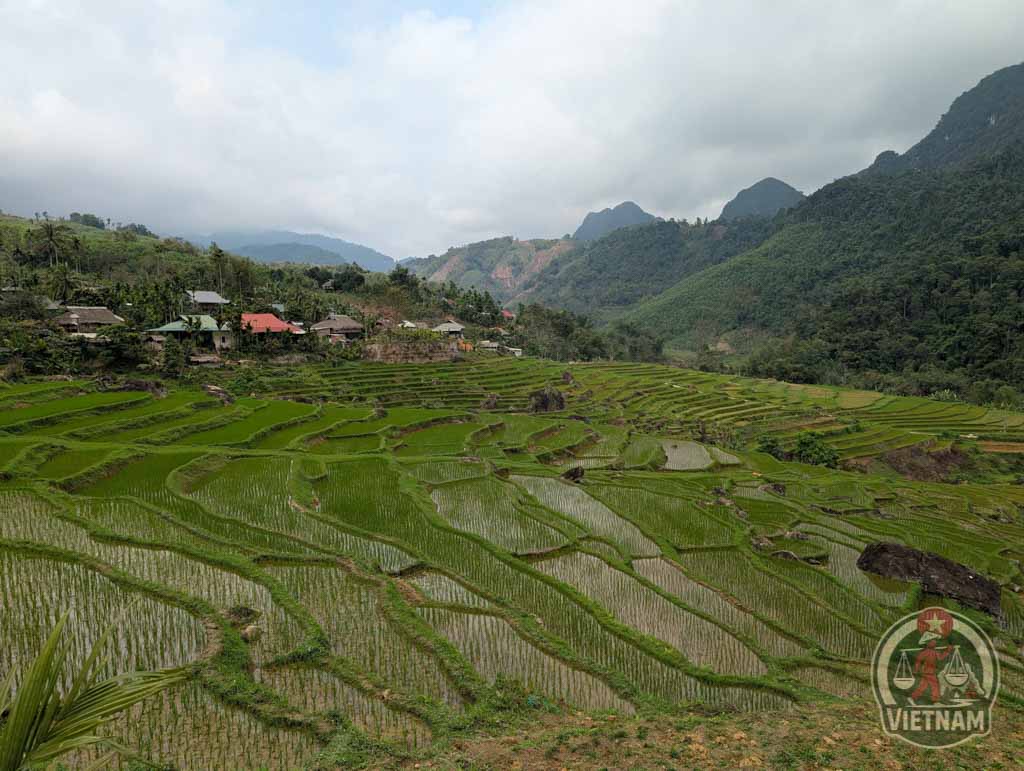
- Sapa: the year’s only harvest (late August to early September). The terraces hit their most photogenic point for a scarce 2–3 weeks; if that photo is your goal, this is the month.
- Ha Giang: rice harvest, with equally spectacular landscapes.
- Ha Long Bay: same as August.
- Center: the serious rains begin. Hoi An and Hue rack up more and more rainy days, plus the odd typhoon.
- South: the monsoon continues, but the showers become more predictable.
Vietnam in October
A transition month. The north improves clearly: Hanoi and Ha Long Bay enter their second good window of the year, though occasional typhoons can still land until late in the month. Sapa starts cooling down.
The center is deep in its tricky season: Hoi An can see occasional flooding, especially in the second half of the month. The south is nearly free of significant rain.
Vietnam in November
Balance for almost the whole country. Hanoi and Ha Long Bay show their best post-typhoon face, with clear skies and pleasant temperatures. The center begins to recover toward the end of the month. The south enters its dry-season peak.
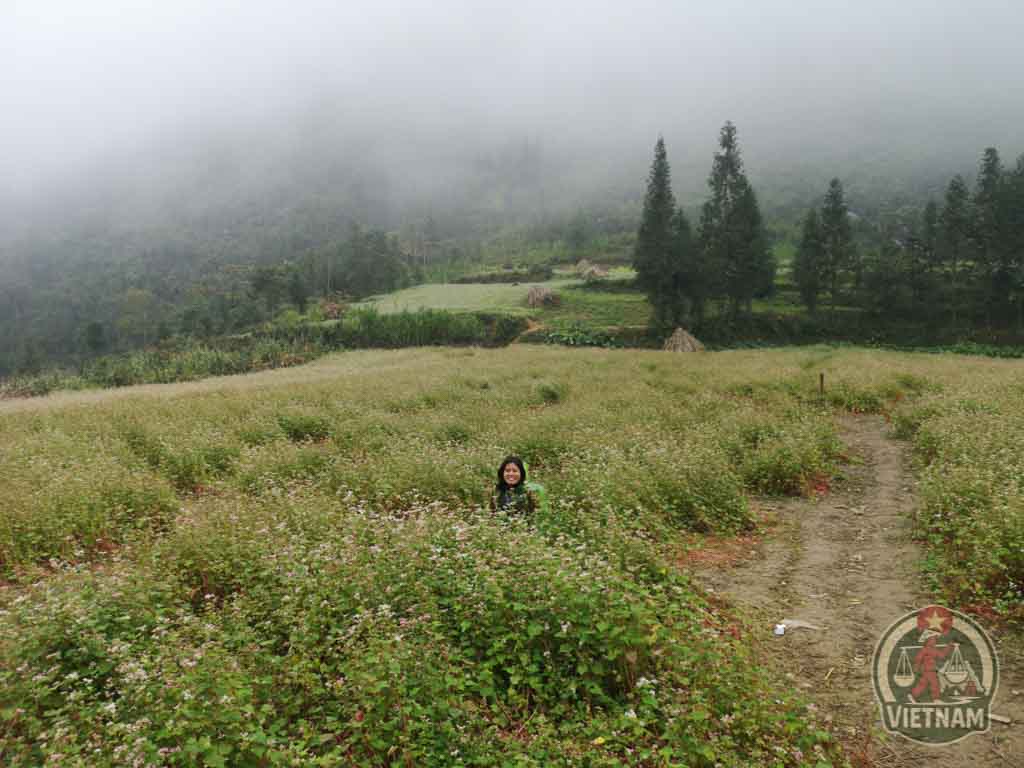
Ha Giang in November has a unique draw: the blooming of the tam giác mạch (buckwheat) covers the Dong Van and Meo Vac area in white and pink flowers. The annual Buckwheat Flower Festival is held around these dates. Note: it’s already chilly — bundle up.
Vietnam in December
Winter returns to the north. Hanoi drops to 6–17 °C with clear but chilly days. Sapa enters genuinely cold territory (it can touch 0 °C). Halong stays typhoon-free but with flat skies.
The center’s weather stabilizes. The south is at its finest: daily sunshine in Saigon, Phu Quoc in full swing. It’s the favorite month for beach time — and also the most expensive: Christmas and the international New Year send prices soaring.
Vietnam’s rice terrace calendar: when to see them green or at harvest
If what draws you to Vietnam is that classic rice-terrace photo, the dates are non-negotiable. Each region runs its own calendar and — surprising as it sounds — not every region gets two harvests a year.
Here it is in a table:
| Area | Planting | Harvest | Harvests per year |
|---|---|---|---|
| Sapa (mountain rice) | May | Late August to early September | 1 |
| Ha Giang (mountain rice) | May–June | Late August to early September | 1 |
| Mu Cang Chai (mountain rice) | May | September | 1 |
| Ninh Binh / Tam Coc | February–March and July | May–June and September | 2 |
| Mekong Delta | Staggered all year | Staggered all year | 2–3 |
The quick rule: at altitude, one harvest a year — the variety grown there is known as “mountain rice”. In the rest of the country, two or more harvests annually. That’s why the mythical shot of the terraces of Sapa, Mu Cang Chai or Ha Giang shifting between yellow and green is only possible for a scarce 2–3 weeks in late August and early September. Go at any other time and you’ll find the fields green (May–July) or already harvested (October onward).
The buckwheat bloom in Ha Giang, one of the best moments to visit
There’s another natural spectacle unique to the north worth noting: in November, the Dong Van and Meo Vac area is blanketed in tam giác mạch (buckwheat) flowers. Every year the Buckwheat Flower Festival is held in Dong Van around these dates.
It’s not rice, but it belongs in the same “travel for the photo” category: if your dates fall in November and you’re heading north, you can’t leave Ha Giang without seeing it.
Festivals in Vietnam: dates with real logistical impact on your trip
There are four dates on the Vietnamese calendar worth knowing before you lock in your trip. Two move prices and availability (sometimes drastically) and two are cultural experiences worth lining up if your trip allows.
Tet (Vietnamese New Year)
It’s the most important date in the country and the one that affects travelers most. Tet follows the lunar calendar, so it changes every year, usually falling between late January and mid-February. The official celebration lasts three days, but in practice the country shuts down for 7–10 days: transport saturated, hotels full, and many activities packed.
Upcoming Tet dates: Saturday February 6, 2027 (official holiday from February 3 to 11); Wednesday January 26, 2028 (official holiday usually spanning 7 to 9 days around that date).
Is it a good idea to travel then? It depends on what you’re after. If the cultural experience is what interests you — think of it as Vietnam’s Christmas — Tet is a unique experience you’ll hardly find at any other time. If what you want is a smooth tourist route, better to shift your dates.
That said, if your trip lands on Tet, book accommodation, internal transport and tours several months ahead. And since many high-season bookings are non-refundable, it pays to cover yourself: the Heymondo cancellation insurance is what we use so an unexpected setback doesn’t mean losing the money for the trip. Book through our link and you also get a 5% discount.
Reunification Day and May 1 (the Vietnamese golden week)
April 30 marks Reunification Day and May 1 is Labor Day. Since they fall back-to-back, in practice they form a 4–5 day holiday break with heavy domestic tourism. Beaches fill up, prices rise and bookings get tricky.
If your dates land here and your plan includes Phu Quoc, Da Lat, Da Nang or any beach destination, book well in advance or shift those days to the north (mountains, cities), where the impact is usually smaller.
Mid-Autumn Festival
Lunar September (it usually falls between mid and late September) — the exact date is the 15th day of the eighth lunar month (when the moon is believed to be at its fullest and brightest of the year).
It has no significant logistical impact, but it’s one of the most beautiful festivals of the year: decorations everywhere, lanterns in the streets, unique treats like the mooncake on every corner, and family celebrations around the full moon.
In Hanoi and Hoi An the atmosphere is especially striking.
If your trip falls close to these dates, seek it out: it’s one of those experiences that are well worth it.
Summary of Vietnam’s major holidays
| Festival | When | Impact | Recommendation |
|---|---|---|---|
| Tet | Lunar, variable (late January – mid-February) | High: country at a standstill for 7–10 days, hotels and transport full | Book months in advance. |
| Reunification Day + May 1 | April 30 – May 1 | Medium: heavy domestic tourism in beach destinations | Book ahead or avoid coastal destinations on those days |
| Mid-Autumn Festival | Lunar September | Low: cultural only | Seek it out if your dates coincide, especially in Hanoi and Hoi An |
Monsoons and typhoons in Vietnam: what to do if it rains on your trip?
This is the section most guides don’t handle well. If your dates fall in the tricky season, or you’ve had the bad luck of catching a typhoon, here’s what actually matters: what gets canceled, what doesn’t, and how we manage it on the ground.
How many typhoons there really are, and where
Vietnam receives 5 to 7 typhoons a year on average. The risk zone is the northern coast (Hanoi, Ha Long Bay, Cat Ba) and the center (Hue, Hoi An, Da Nang) between late August and October — where, more than typhoons proper, what hits are intense monsoon rains with a risk of localized flooding.
The key point: a typhoon is a one-off episode lasting 1 to 2 days. It’s not a week of continuous bad weather. The idea of “I’m going in September so I’ll get a month of typhoon” is false: what you get is 1 or 2 days within the month — in the worst case, a few separate episodes.
While it lasts, yes, it can cause suspended activities and temporary business closures (Halong cruises, island ferries, the odd domestic flight, day tours). But once the typhoon passes, life returns to normal very quickly and the skies clear.
Still, those 24–48 hours carry a real cost for the traveler. So if you’re going in typhoon season, travel insurance stops being optional. We use Heymondo travel insurance: it covers medical assistance in Vietnam, cancellations and trip mishaps. Book through our link and you get a 5% discount.
Monsoon: rain, not a deluge
In Vietnam, rain is normal — and most of the time, nothing happens. The usual pattern between May and October is heavy rain for 2 or 3 hours, then it stops; often the sun comes out again the same day. Locals carry on with their routines, shops open as usual and tours run without major complications.
If your trip falls in the monsoon, just pack a light rain jacket (you won’t even need an umbrella) and plan your activities for early morning, which is generally when the weather is best.
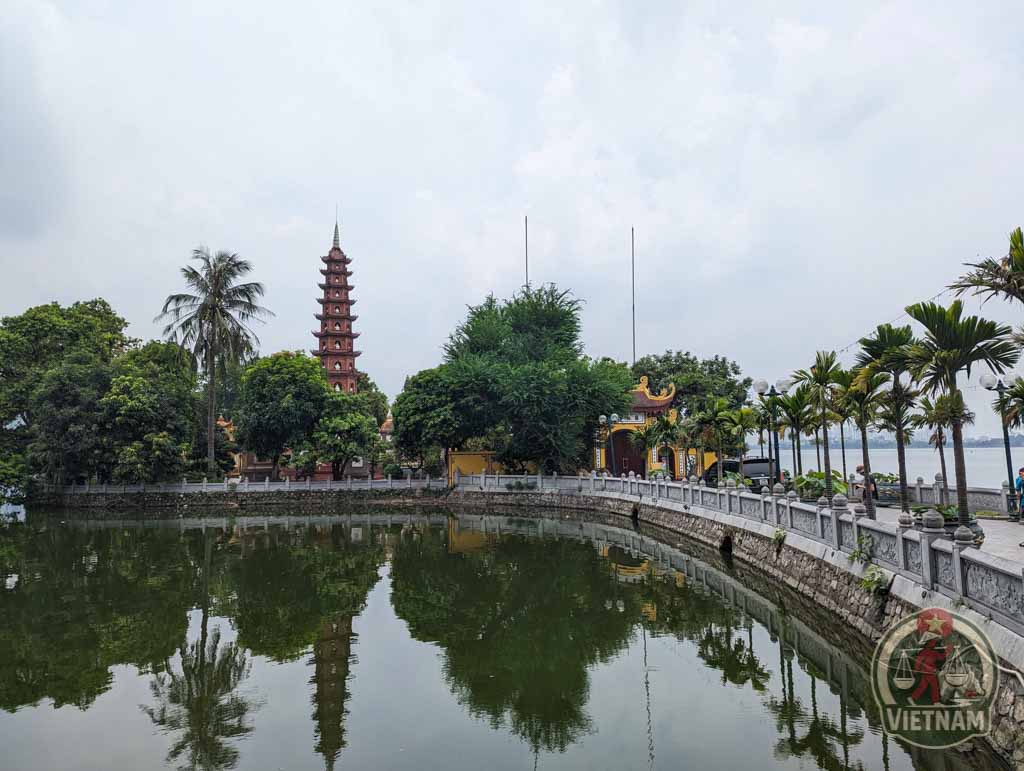
What gets canceled and what doesn’t
| Canceled during a typhoon / extreme rain | Carries on just fine |
|---|---|
| Ha Long Bay cruises | Indoor and urban activities and visits (museums, old towns…) |
| Island ferries (Cat Ba, Phu Quoc) | Delays on the Ha Giang loop or route adjustments |
| The odd domestic flight | Workshops (cooking, lanterns) |
| Hiking tours | Spas and similar experiences |
| Boat excursions (Trang An, Mekong) | Restaurants, cafés, markets |
For Ha Long Bay cruises, the most weather-sensitive item, the rule is simple: always book with a free-cancellation policy. Good operators include it — if the boat can’t sail for weather reasons, you get your money back or a new date. We recommend the 2-day 5-star Lan Ha Bay cruise from Hanoi — one of the few combining a high-quality boat with a clear free-cancellation weather policy.
How to know if a typhoon is coming
The easiest way is to follow international weather apps (Windy, AccuWeather) in the days before your activity. The official website of the Vietnam Meteorological and Hydrological Administration publishes warnings 48–72 hours in advance, so it rarely catches you by surprise: there’s time to adjust.
If you see a warning, your first call is to the cruise or tour operator to ask about their protocol. The second is to your accommodation, in case the night planned aboard the boat ends up on land and you need an extra room.
Quick plan B by destination
If you lose a day, the best move is to shift it to the most weather-proof destination on your itinerary.
Last October, in the middle of a trip through central Vietnam, typhoon Fengshen caught up with us — one of the many that reach the country after first crossing the Philippines. We considered moving our trip forward to Hanoi, but in the end we decided to stay in Hoi An and ride out the storm where we were.
Luckily it was only one day of heavy rain and strong winds. Some streets in the old town flooded, but we spent it comfortably at the hotel, hopping between cafés and resting from the pace of the trip. Da Nang airport, where we had a flight a couple of days later, closed for a few hours at the peak; then it reopened and we flew without a hitch. The conclusion is the one we’ve already given: a typhoon is a one-day episode, you manage it by staying calm, and travel insurance plus a bit of calendar flexibility go a long way toward keeping the panic away.
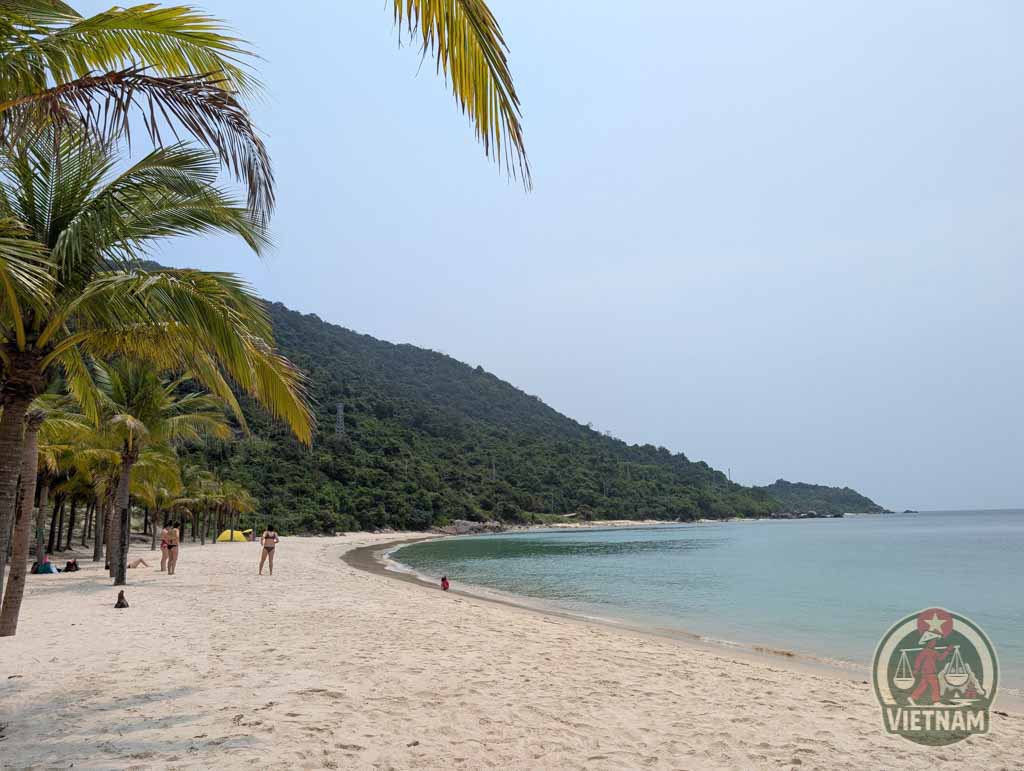
Best time to visit Vietnam by travel style
If your trip revolves around a specific activity or a defined style rather than a route through destinations, check this other summary:
| Activity | Best time |
|---|---|
| Ha Long Bay cruise | November–April |
| Trekking in Sapa | March–June and September |
| Ha Giang motorbike Loop | March–October |
| Beach time in Phu Quoc | November–April |
| Snorkeling in the Cham Islands (Hoi An) | March–August |
| Rice terrace photography, full green | February–April and July–August (Tam Coc), May–July (Sapa, Ha Giang, Mu Cang Chai) |
| Rice terrace photography, harvest | May–June (Tam Coc), late August to early September (Sapa, Ha Giang) |
| Buckwheat bloom (Ha Giang) | November |
If your headline activity is only possible in a very narrow window, use it as the anchor of your itinerary and plan the rest of the trip around it. It’s easier to move a visit to Hanoi than to reschedule the rice harvest.
Adapt your route to your dates — sample Vietnam itineraries adjusted to the climate
Here’s the idea this article is built on: if your flight is already booked or your dates are fixed, don’t cancel. Adapt. Any month works if we choose the right part of the country. Here are four scenarios depending on the month you’re traveling.
If you’re traveling in July or August (summer vacation)
It’s when most Northern Hemisphere travelers take their vacation and, paradoxically, not the period guides recommend most. Don’t panic: you can still have a very complete trip — you just need to know where to push and where to ease off.
- Yes: Hanoi or Ninh Binh, even if the heat presses; train to the center, where Hoi An and Hue are the best zone right now; Saigon; the Mekong; and Da Lat as a mild-weather refuge, with its 17–23 °C. Sapa and Ha Giang are viable too: Sapa’s treks will be muddy and the Ha Giang Loop may have rainy days, but neither will stop your trip.
- Better to avoid: Phu Quoc (rough seas).
- Beach alternative: Da Nang and An Bang in the center, in full swing.
If you’re traveling in September, October or November
The north is spectacular — with the Sapa and Ha Giang harvest at the start of September — but the center enters its tricky season, and the northern coast can still catch the odd typhoon.
Suggested route: Hanoi + Ha Giang Loop + Sapa for the harvest (best in late August–early September) + Ha Long Bay + train to the center or a flight south (Hoi An can see occasional flooding in October–November).
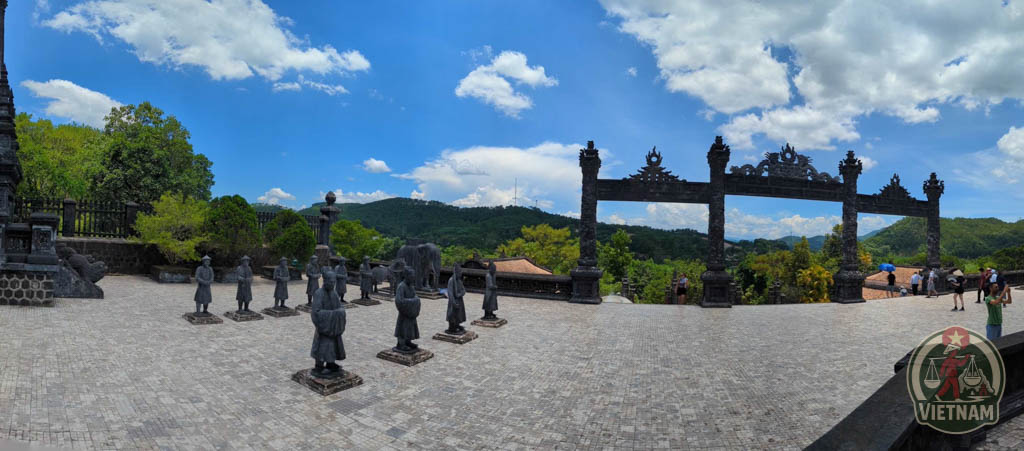
If you’re traveling in December, January or February
The south is at its absolute best, so if it appeals to you, load your itinerary toward it. The north works too, but it’s cold: Sapa can touch 0 °C with thick fog — not its finest moment.
Watch out for Tet if your dates fall in February: check the lunar calendar before locking in the trip. Landing on it means booking everything months ahead or adjusting your dates — revisit the festivals section if you’re unsure how to handle it.
March, April, May or June (the best combination)
You’ve chosen well.
For a concrete, carefully built full route, here’s our detailed 15-day Vietnam itinerary, designed precisely for this window of the year.
Keep in mind, though, that it’s absolute high season and prices are the year’s highest. Book popular accommodation, cruises and night trains in advance.
When is it cheapest to travel to Vietnam? High and low season
If your wallet is the priority, there’s good news: the best value-for-money season partly overlaps with perfectly viable months. Here are the prices by category.
International flights: the cheapest months to fly to Vietnam from Europe are usually May, September and November. Summer (July–August) and December send prices soaring on the back of vacation demand and Christmas.
Accommodation: May–October is the cheapest window, with discounts of up to 30–40% on well-rated hotels compared to high season. Careful: avoid April 30–May 1 (the Vietnamese golden week) and the days around late August–early September if you’re going to Sapa or Ha Giang (the rice harvest sends demand through the roof).
Absolute price peaks: Tet (lunar, variable — late January to mid-February), Christmas and the international New Year (December 15–January 5), and the Vietnamese golden week (April 30–May 1). Domestic flights in particular skyrocket.
If a couple of rainy afternoons don’t bother you, the savings in Vietnam are very real. Sometimes that price difference buys you a few extra days of travel without blinking.
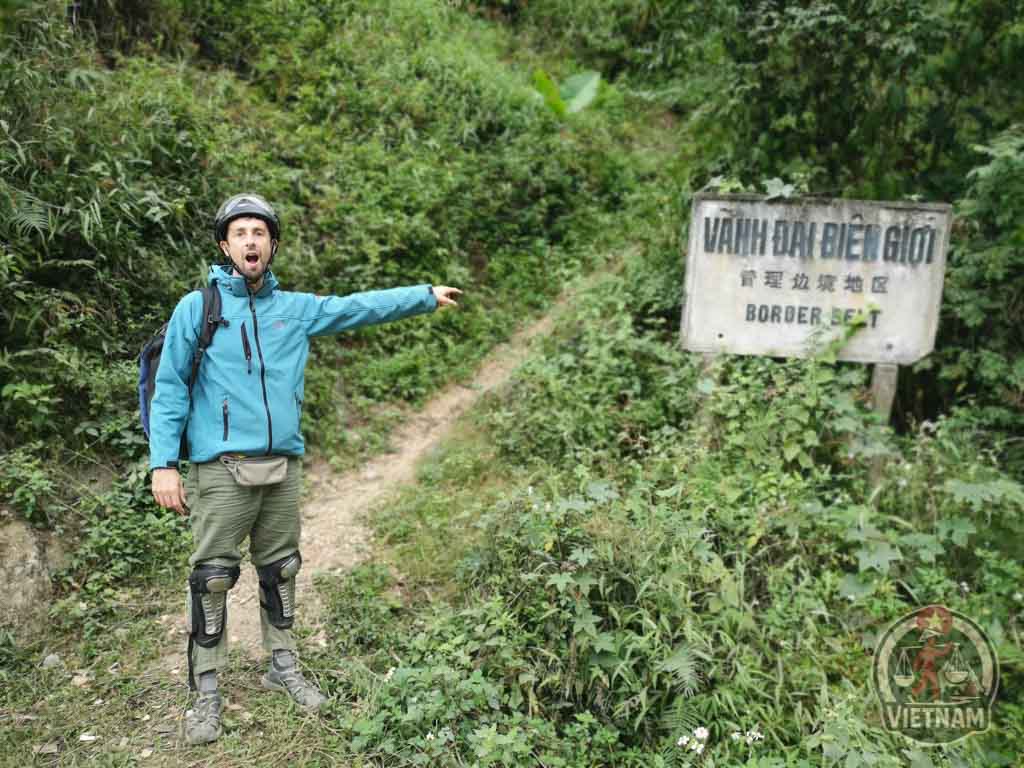
Frequently asked questions (FAQ) about the climate and when to go to Vietnam
If you have flexibility, March-May offers the best weather combination for the whole country. But any month works if you adapt your route to the right region. There is no single universal “best time”: there are better region-date combinations.
Yes, with caveats. The center (Hoi An, Hue, Da Nang), while hot, is the best region climate-wise; the north gets rain and the south enters the monsoon with short downpours. Better to avoid Phu Quoc (rough seas). Sapa and Ha Giang are viable, though less comfortable because of the rain.
It depends on the region: in the north and south it runs from May to October, with generally short downpours. In the center it arrives later, from September to December, with more persistent rain and possible occasional flooding in Hoi An and Hue.
A typhoon in Vietnam lasts 1-2 days. While it passes, cruises, island ferries and some domestic flights are usually canceled. Once it ends, life returns to normal quickly. We always recommend travel insurance and booking cruises with free cancellation.
Tet follows the lunar calendar, so it changes every year: it usually falls between late January and mid-February. The official celebration is three days, but in practice the country shuts down for 7-10 days.
Upcoming Tet dates: Saturday February 6, 2027 (official holiday from February 3 to 11); Wednesday January 26, 2028 (official holiday usually spanning 7 to 9 days around that date).
It depends. If the cultural experience interests you, it is unique. If you want a smooth tourist route, better to avoid it: full hotels, saturated transport, high prices.
November-April. Between late August and October there is a risk of occasional typhoons that can cancel the cruise. In May-July the heat is high but skies tend to be grayer and the epic photo is harder to get. See our complete Halong Bay guide for more information.
To see the terraces at their greenest, aim for summer (June-July). To catch the terraces right at harvest time, go in late August to early September. Sapa has a single harvest a year (unlike Tam Coc, which has two).
November-April, with December-March as the peak. Between July and September the sea gets rough and the rain is more persistent than in the mainland south.
Flights: May, September and November. Price peaks: summer and Christmas-New Year. Accommodation: May-October. Price peaks: Tet and the golden week (April 30-May 1).