
With some 14 different ethnic groups living in its surroundings, Sapa is one of the best places to see and experience Vietnam’s ethnic diversity.
Although many of these communities have traditionally lived off rice farming, crafts and textiles, the arrival of tourism has greatly eroded their customs and authenticity, turning many of these places into showcases for tourists.
So while Sapa may not be the best place if you’re after the most authentic Vietnam, if you’re already here, the villages scattered around the area are well worth a visit.
Here are some of the main villages and ethnic groups you can get to know in this part of the country.
In this post
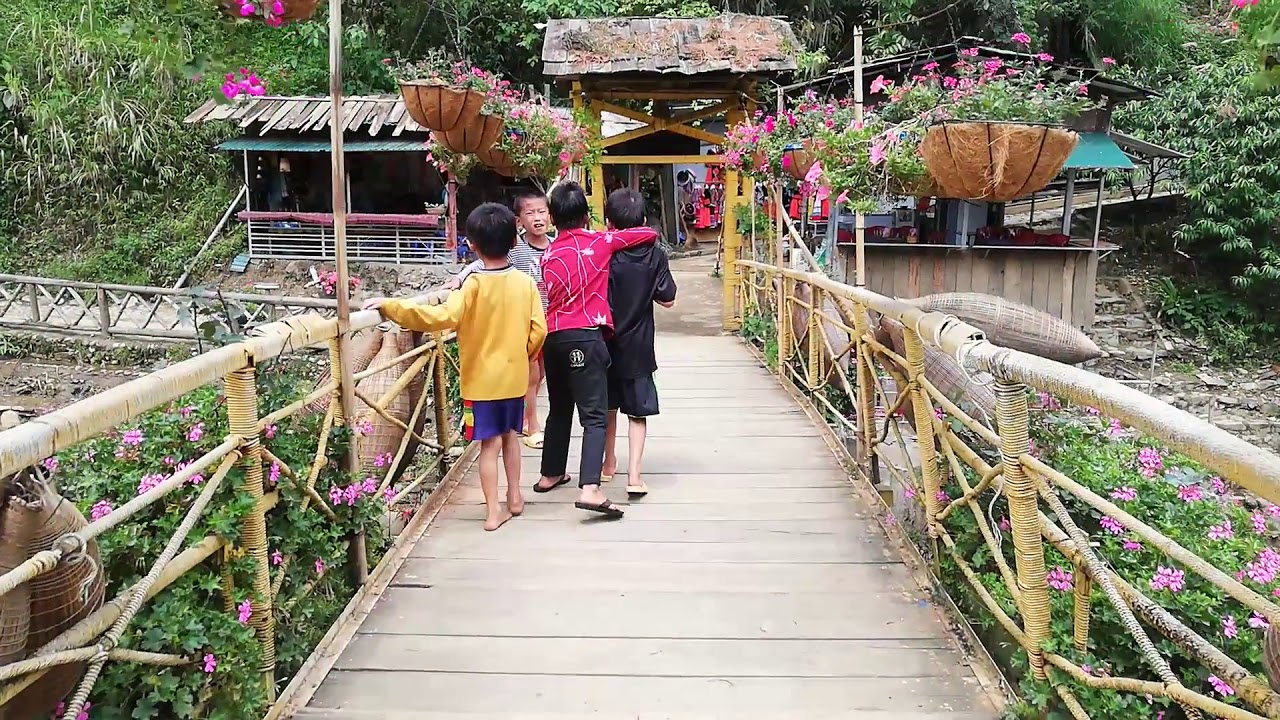
Cat Cat, Sapa’s most touristy village
Cat Cat is one of the most visited and most accessible villages in the whole area, mainly thanks to its striking setting and its proximity to town.
To get there you just have to walk down the steep slope toward the bottom of the valley until you find the village entrance — no more than a 20-minute walk from Sapa.
To enter the village you’ll pay an entrance fee of 50,000 VND (~US$1.90).
This village, home to the Hmong ethnic group, is a pleasant place for a stroll along the river until you reach a small waterfall.
Lao Chai and the rice terraces
About 7 km from Sapa, walking through the valley, you’ll reach the village of Lao Chai.
The village brings together 3 communities of the Hmong ethnic group, home to around 100 families, and offers one of the best vantage points over the rice terraces that have made this area so famous.
The village, whose name literally means “old village”, is known for its lovely views over the whole area and for its mastery of terraced farming, of both rice and corn.

Ta Van, the village where the tours end
A little farther along the route, about 14 km from Sapa, lies the village of Ta Van, the end point of most of the treks that run through the valley.
In Ta Van you’ll find a mix of mainly 3 ethnic groups: the Hmong, the Dao and the Giay.
Most one-day trekking tours through the Sapa valley finish in this small village, from where you’ll need to make your way back to Sapa — either on foot or by taxi.